
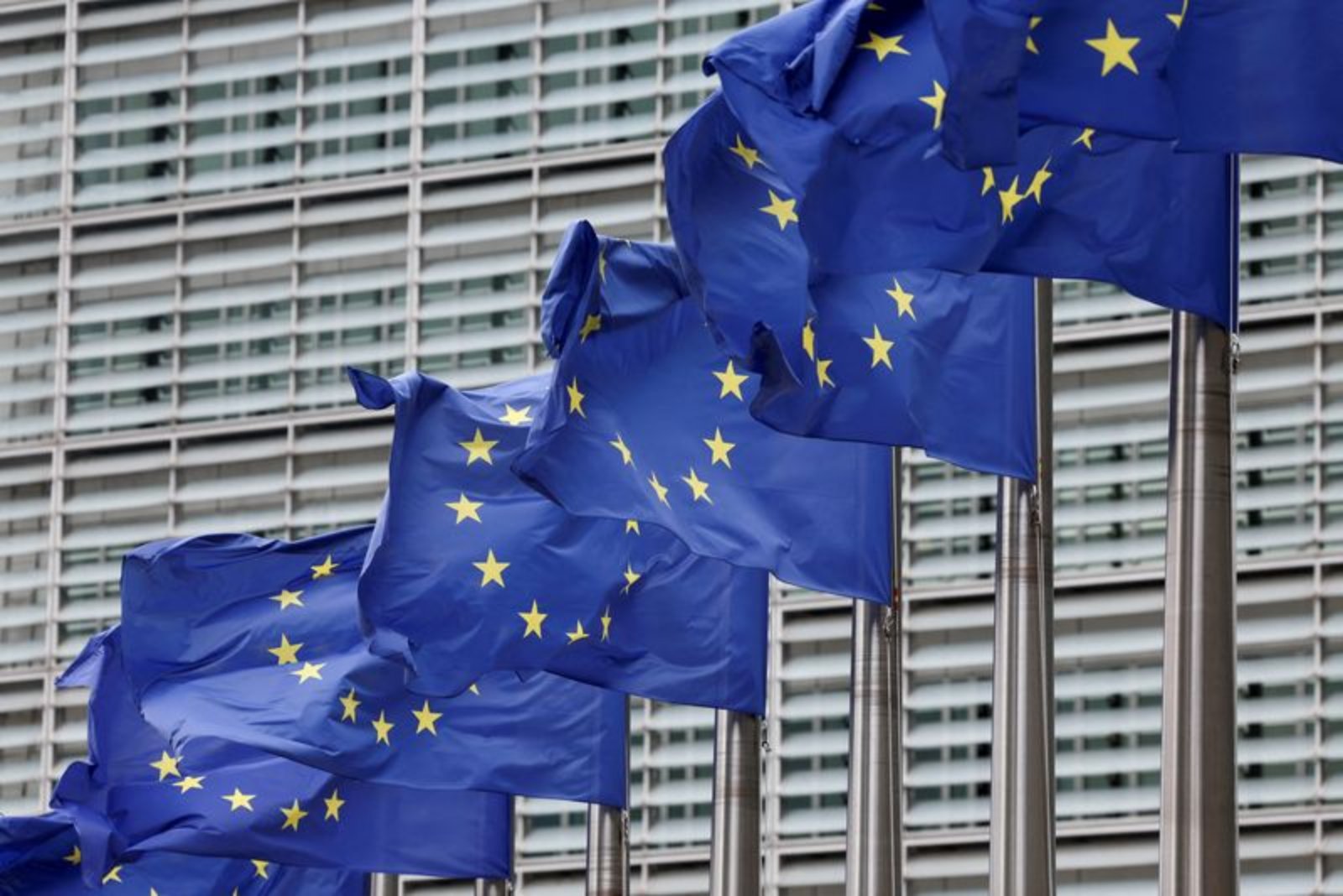
European Union commissioners convened on May 29 in Brussels to map out options designed to protect the bloc's industrial base from a sharp rise in imports from China and to secure alternative sources for essential inputs and critical minerals.
Officials said the executive arm of the EU is preparing policy ideas to take to an EU leaders' summit scheduled for June 18 to 19. Among the measures being examined are possible requirements for European firms to diversify their supply chains and the creation of new trade instruments intended to curb China's access to materials used in chemicals, metals and clean technology.
The debate reflects a broader Western push to reverse waves of offshoring that intensified in the early 2000s and that, critics argue, eroded industrial know-how and key manufacturing hubs across the United States and the European Union. Policymakers are increasingly focused on the strategic implications of reliance on a single dominant supplier for inputs considered critical for several industries.
Trade imbalances and overcapacity on the agenda
The Group of Seven nations is due to take up related issues at a mid-June summit, where trade imbalances and industrial overcapacity will be discussed. Attention has sharpened on China’s growing dominance in rare earths and other metals that are essential inputs for defence, technology, energy and automotive sectors.
Earlier this year, U.S. policy rhetoric emphasised an "America First" approach, while the EU proposed a "Buy European" initiative alongside RESourceEU, aimed at accelerating development of critical mineral supply chains within the bloc and deepening partnerships with mineral-rich countries ranging from Central Asia to Australia and Brazil.
Responses from Beijing
China's Foreign Ministry has accused the EU of selectively using trade data to substantiate claims of imbalances and has warned it could impose "strong countermeasures" should policies such as "Buy European" and revised approaches to technology sovereignty be adopted. Beijing rejects the characterization of its trade practices as unfair.
Challenges for European industry
Industry executives in Europe face a more challenging operating environment than their U.S. counterparts, in part because of structurally higher energy costs and tighter regulation. Within this context, EU officials are debating whether existing trade tools - including import duties and quotas - should be applied more consistently across sectors rather than targeting individual firms or specific materials.
Industry Commissioner Stephane Sejourne said this week he wants the bloc’s current trade mechanisms to be used "more systematically". The EU has taken some steps to limit certain Chinese inflows, with mixed outcomes: it imposed tariffs on Chinese electric vehicles that it considered heavily subsidised, yet it did not extend those tariffs to hybrid models. Hybrids have represented nearly 40% of new car registrations so far this year, even as China’s share of the European auto market continues to climb.
As the commission readies proposals for discussion at the leaders' summit, the focus remains on balancing industrial resilience with trade policy tools that can be deployed without creating unintended market distortions. How those proposals evolve before the June meeting will determine the next phase of the EU’s approach to supply-chain diversification and strategic materials access.