
Overview
Officials from Iran, the United States and Pakistan reported on May 23 that talks intended to bring an end to almost three months of hostilities have seen progress. The discussions, mediated by Pakistan, concentrated on moving toward a memorandum of understanding that could form the basis for a settlement.
Diplomatic activity in Tehran
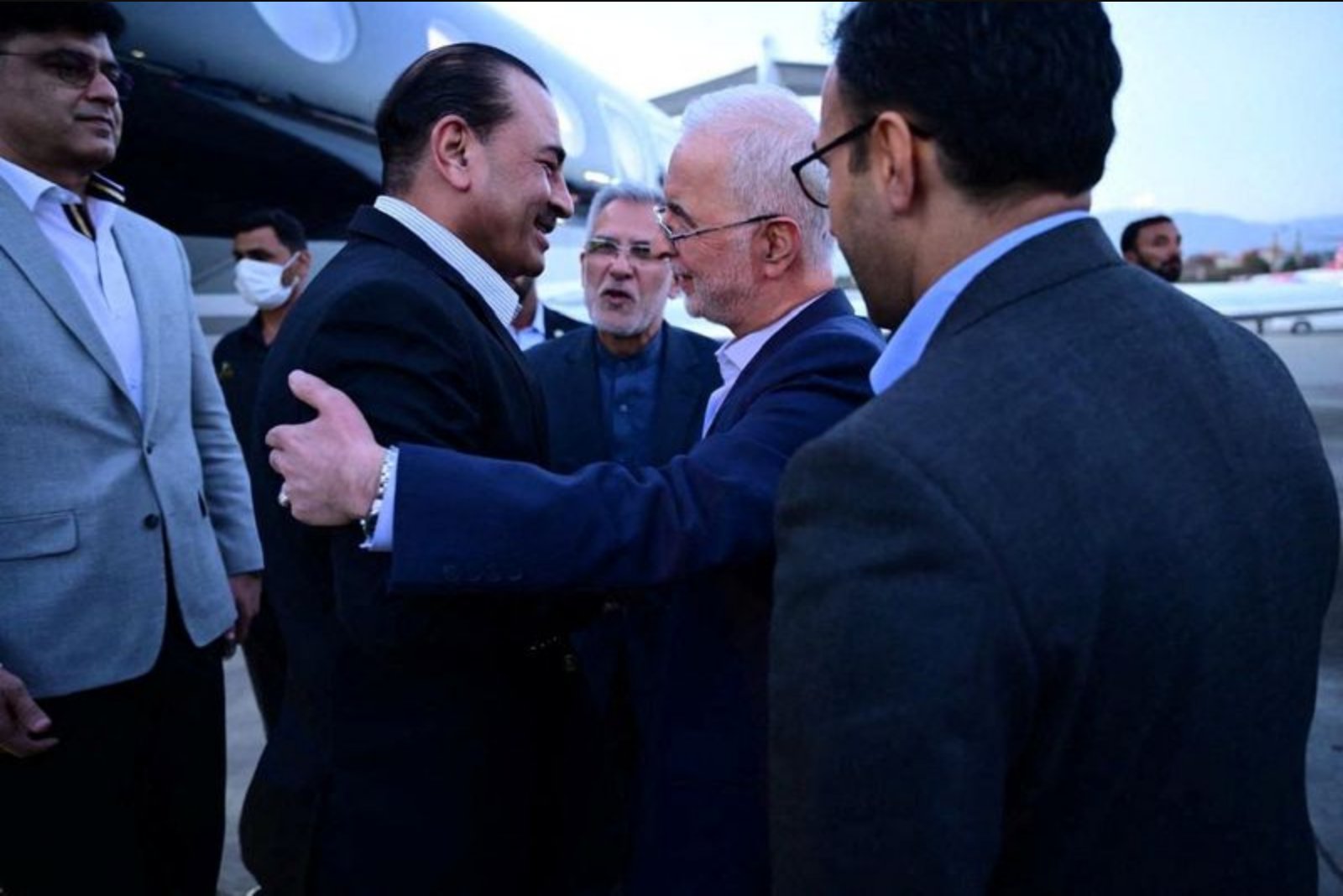
Iran’s top negotiator, Mohammad Baqer Qalibaf, and Foreign Minister Abbas Araqchi held talks with Pakistan’s army chief Asim Munir in Tehran. State media said Munir also met President Masoud Pezeshkian before departing the capital. The Pakistani army described negotiations carried out over the preceding 24 hours as producing "encouraging" progress toward a final agreement.
The discussions reportedly focused on a 14-point document that Iran has presented as the principal framework for the negotiations. Messages exchanged between the parties were also part of the dialogue, according to officials involved in the talks.
Public statements and timelines
U.S. Secretary of State Marco Rubio, speaking while visiting India, said the United States has observed some progress and suggested the possibility of an announcement within a short timeframe. He told reporters that "There’s been some progress done, some progress made, even as I speak to you now, there’s some work being done. There is a chance that, whether it’s later today, tomorrow, in a couple days, we may have something to say."
Iran’s Foreign Ministry spokesperson Esmail Baghaei framed the conversations as moving toward fewer disputes but cautioned that unresolved issues remain. He said: "The trend this week has been towards a reduction in disputes, but there are still issues that need to be discussed through mediators. We will have to wait and see where the situation ends in the next three or four days."
Points of contention
Baghaei identified the U.S. blockade on Iranian shipping as a significant concern. He stressed that Tehran’s priority is to eliminate the threat of new U.S. attacks and to address the ongoing conflict in Lebanon, where Hezbollah - allied with Iran - is engaged with Israeli forces in the south.
Secretary Rubio reiterated core U.S. demands echoed by President Trump, stating: "Iran can never have a nuclear weapon. The straits need to be open without tolls. They need to turn over their enriched uranium." These demands reflect the U.S. focus on non-proliferation, open navigation through strategic waterways, and restrictions on Iran’s nuclear material.
Iran’s stance and military posture
Qalibaf emphasized that Iran will seek to defend its "legitimate rights" both through diplomatic channels and on the battlefield. He expressed deep skepticism toward the other side’s trustworthiness, saying Iran "could not trust 'a party that has no honesty at all'" - a charge Iran has made previously.
Qalibaf further said that Iran’s armed forces used the ceasefire period to rebuild their capabilities and warned that should the United States "foolishly restart the war" the response would be "more forceful and bitter" than at the start of the conflict.
Political and strategic context
Pakistan’s mediation effort is aimed at narrowing the gap between Iran and the United States after weeks of fighting that have disrupted the Strait of Hormuz and affected global energy markets. The waterway has been closed to most shipping despite a fragile ceasefire, a development that has produced significant market uncertainty.
U.S. President Donald Trump, citing concerns related to Iran among other reasons, said on Friday he would remain in Washington and would not attend his son's wedding that weekend.
Military capabilities under discussion
Despite the conflict, Iran is reported to have preserved a stockpile of near-weapons-grade enriched uranium and maintained missile, drone and proxy capabilities that the United States and Israel have said they seek to limit. These elements remain central to the negotiation dynamics as both security guarantees and military constraints are debated.
What to watch next
Officials on all sides indicated they expect further movement over the coming days. Negotiators and mediators will need to resolve outstanding points in the proposed framework and address the prioritized security concerns before any formal memorandum can be finalized.
Reporting in this piece is limited to statements and developments disclosed by officials and state media; the ultimate outcome of the talks remains uncertain pending further announcements.