
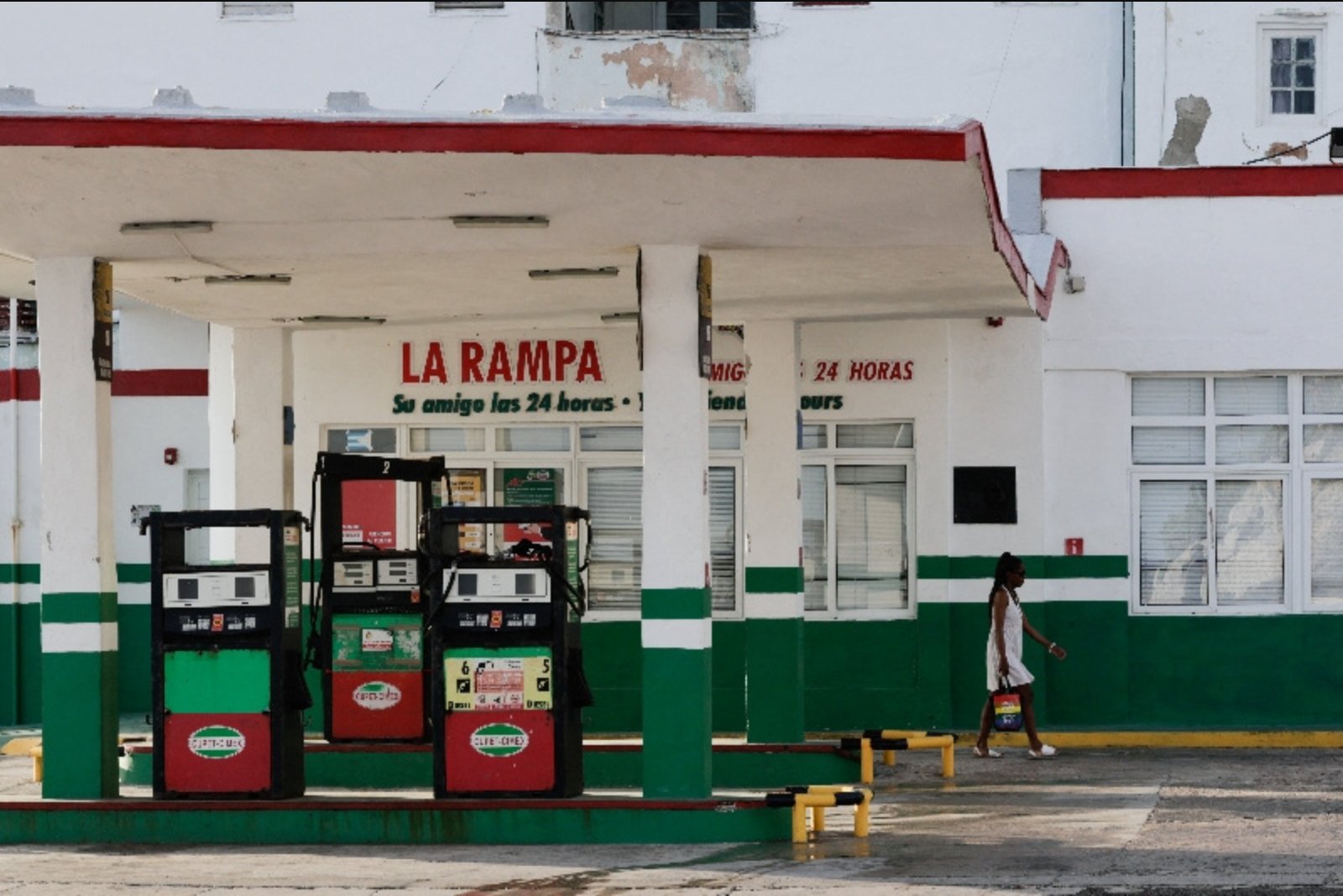
Cuba's authorities unveiled a new pricing schedule for gasoline and diesel on Friday that raises pump prices close to double previous levels, but motorists in the capital found little to no fuel available as most public filling stations remained closed.
The Ministry of Finance and Prices announced this week that the updated retail rates would be published on Friday, describing the change as necessary to reflect the "actual" cost of importing gasoline and diesel. Signs observed at some Havana service stations showed premium gasoline posted at $2.00 per liter, up from $1.30. Regular gasoline was listed at $1.80, versus $0.95 previously, and diesel appeared at $2.00 per liter, compared with $1.10 before the revision.
Despite the new numbers, pumps were not dispensing fuel to the public and the government has not given a timeline for when fuel at the revised prices will be put on sale. Motorists who have been managing with little or no fuel for months expressed frustration at the lack of information.
"Right now, we know nothing," said Roberto Veguet, a Havana taxi driver. "We do not even know where to buy it."
Cuban officials say the country has not received any oil shipments since the Russian tanker Anatoly Kolodkin delivered approximately 700,000 barrels in late March - an amount the authorities characterized as roughly a couple of weeks' supply for the island's population of 10 million. Officials reported that that delivery was depleted in early May.
The government has indicated that future retail pricing could vary based on the identity of suppliers and a range of logistical and market factors - including transportation costs, choice of routes, insurance, associated risks, and movements in international markets.
With official supply constrained, black market prices for gasoline have jumped dramatically. Sources within the local market put illicit prices in the range of $8 to $10 per liter - levels far beyond the reach of most Cubans and much higher than global market pricing.
Some private enterprises have started bringing fuel into Cuba using containerships, paying high sums to secure shipments from the United States and other locations. Those privately imported supplies are generally not offered for public sale, according to observers of the market.
The United Nations has declared the U.S. fuel blockade on Cuba illegal and has said it infringes on the human rights of Cubans.
At present, the announced price adjustments stand as official figures without a public rollout plan, leaving consumers and transport operators to await clarification from authorities while alternate, costly supply channels and black market activity expand in response to the shortage.