
China's Ministry of Commerce on Saturday characterized the tariff, agricultural and aircraft agreements reached during U.S. President Donald Trump's visit this week as "preliminary." The statement, posted on the ministry's website, outlined broad areas of agreement but provided little in the way of concrete commercial detail.
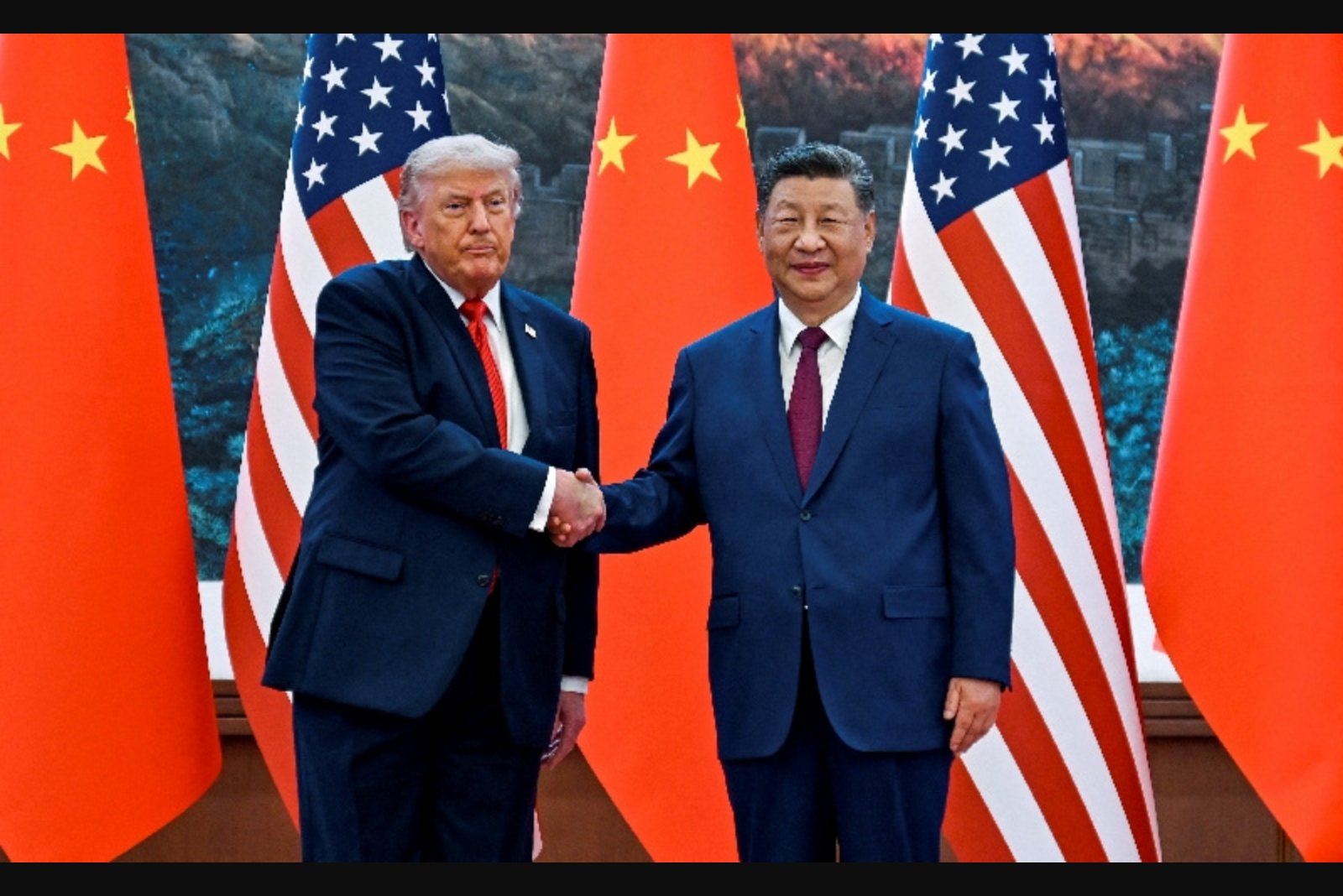
Trump departed Beijing on Friday after two days of talks with President Xi Jinping that were marked by ceremonial elements and warm rhetoric, but which produced limited detail on tangible trade and investment outcomes.
The ministry said the two sides had agreed to create an investment board and a trade board. Those bodies are intended to negotiate reciprocal, product-specific tariff reductions as well as broader tariff cuts covering unspecified goods, including agricultural products. Beyond tariffs, the ministry said both sides would work to resolve non-tariff barriers and other market access issues affecting agricultural trade.
Trade and agricultural measures highlighted by Beijing
The statement included a list of specific areas where the two sides would seek resolution. It said the U.S. side "will actively promote the resolution of China’s long-standing concerns regarding the automatic detention of dairy products and aquatic products, exports of bonsai in growing media to the United States, and recognizing Shandong province as an area free of avian influenza."
Reciprocally, the ministry said the Chinese side "will also actively promote the resolution of U.S. concerns regarding registration of beef facilities and exports of poultry meat from some U.S. states to China." The ministry did not identify companies, nor did it disclose volumes, values or specific timelines for these resolutions.
Aircraft discussions remain unspecific
President Trump has said China agreed to buy 200 Boeing aircraft, a figure that has drawn questions because the public statements did not include a delivery timetable. In its release, the commerce ministry confirmed arrangements on "Chinese purchases of U.S. aircraft and U.S. assurances on the supply of aircraft engines and parts to China," but offered no further elaboration. It added that discussions on the details were continuing and that the agreements would be "finalised as soon as possible."
Saturday's release was Beijing's first public characterization of the outcomes from this week's trade discussions in Beijing and in Seoul, and it comes amid continuing questions about what concrete deliverables emerged from the visit.
Summary
Beijing labels recent trade, agricultural and aircraft arrangements with the United States as preliminary, confirming the formation of negotiation boards and pledging to work through agricultural and market access issues while withholding specifics on timelines, companies and commercial values.