
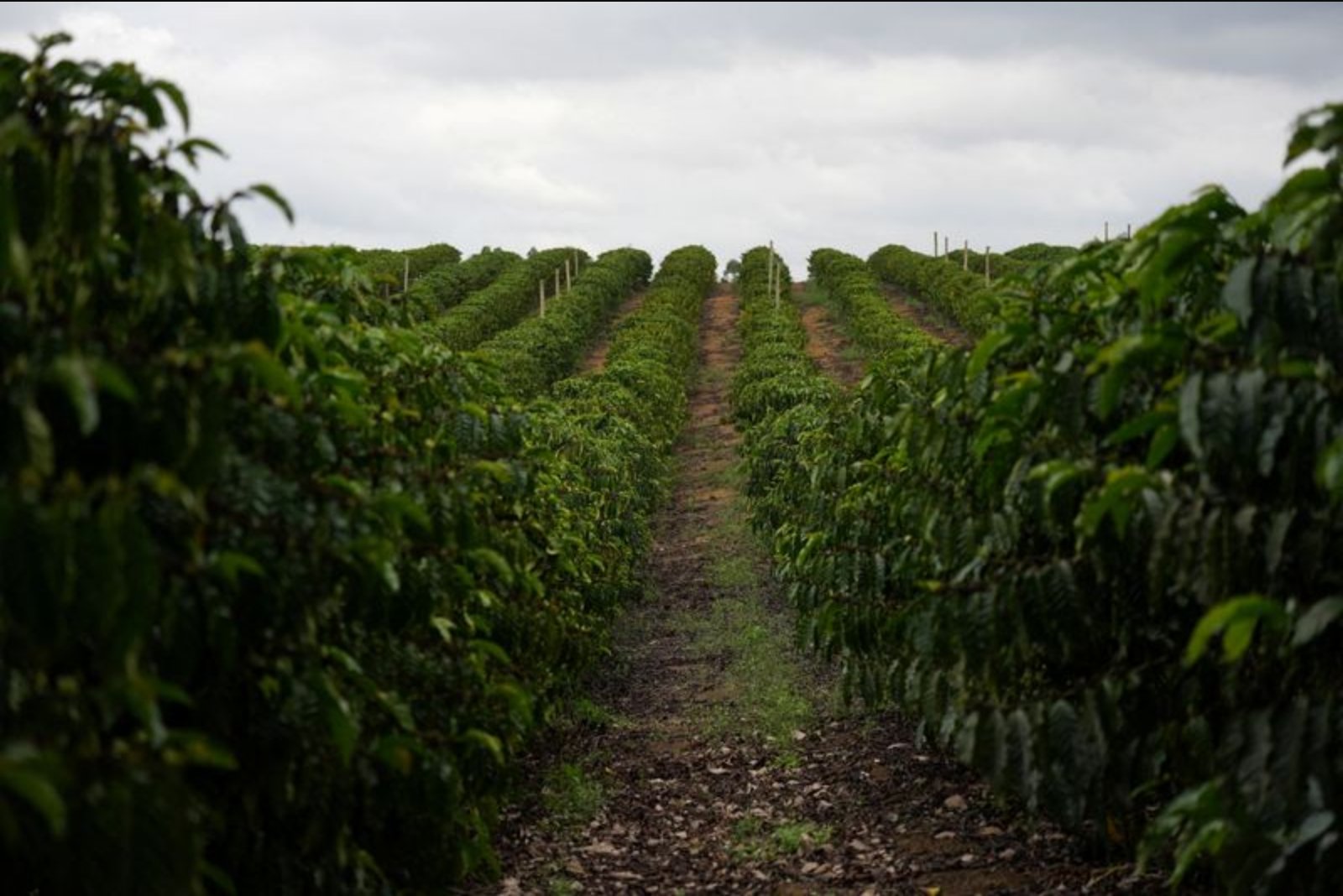
Brazil is preparing to export a record volume of green coffee when the new crop year opens in July, driven by what EISA, the Brazilian arm of global trader ECOM, expects to be an all-time-high national coffee output, according to comments made by EISA director Carlos Santana at a coffee conference in the port city of Santos.
Santana said shipments from the world\'s largest grower and exporter are likely to ramp up starting in July or August. He highlighted that the current market structure is inverted - with spot prices above those for future deliveries - which creates a strong incentive for farmers to sell sooner rather than later.
Based on that selling dynamic, Santana estimated exports of green coffee could probably reach about 50 million 60-kg bags in the upcoming crop year. For context, Brazil last recorded an export high in 2024, when industry group CECAFE reported shipments of 46.3 million 60-kg bags.
The executive said roughly 5% of this year\'s Brazilian crop has been harvested so far. Earlier in the year EISA put its production estimate for the 2026/27 crop year - running from July to June - at 75.8 million 60-kg bags.
Santana noted that higher Brazilian shipments would play a role in replenishing inventories in consuming countries, which he said are at historically low levels following production shortfalls in some of the top growing nations in recent years that contributed to prior price spikes.
Weather watch - El Nino
While the near-term outlook points to increased exports, Santana warned that the El Nino weather event remains a key uncertainty for the following crop season. He said El Nino could have a mixed effect: the warmer conditions associated with the event might reduce the likelihood of damaging frosts, but elevated heat could also harm the coffee flowering period that typically occurs around September or October.
According to Santana, El Nino is likely to shape producer behaviour over a longer horizon. If the event proves more detrimental than beneficial to coffee trees, he said farmers may slow their selling pace in anticipation of poorer yields.
Market and supply implications
- EISA, identified as one of the largest exporters of Brazilian coffee, expects substantial volumes to leave Brazilian ports as the new crop year begins.
- Shipments projected for the coming year are seen as a mechanism to rebuild low inventories in consuming markets.
- Weather developments tied to El Nino could alter both crop prospects and producer sales strategies for the year after next.
The comments from EISA officials underscore a dual dynamic: a supply-side boost from a large Brazilian crop that could ease tight global stocks, and a weather-driven risk that may influence future production and market flows.