
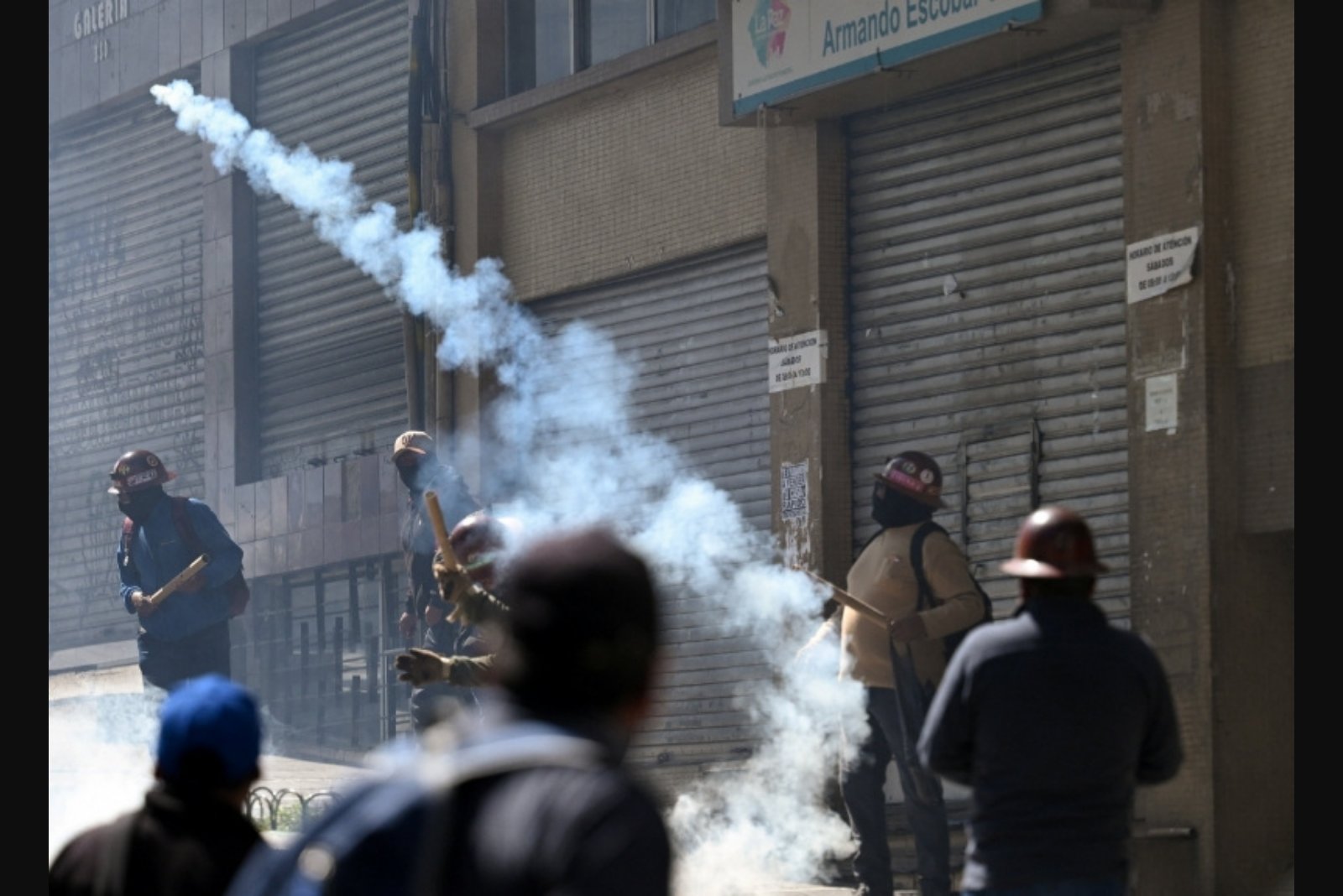
LA PAZ, May 18 - Demonstrations that started as strikes in early May have escalated into a broad, nationwide movement across Bolivia, leaving major routes blocked for almost two weeks and producing acute shortages of necessities including food, fuel and medical supplies. Officials report trucks stranded on highways and patients unable to reach hospitals. At Bolivia's request, Argentina dispatched a military aircraft loaded with food supplies.
Scope and composition of the protests
What began as localized stoppages has grown to involve a wide range of groups - labour unions, miners, transport workers and rural and indigenous organizations. Participants are pressing President Rodrigo Paz's administration to abandon or roll back austerity policies and take steps to alleviate rising living costs. Some protesters have demanded the president's resignation. Analysts say the movement has broadened beyond discrete grievances to encompass more general anti-government sentiment about the country's economic trajectory.
Central grievances
Protesters' complaints center on the squeeze from economic measures and perceived inequities. Teachers are calling for higher wages and increased education funding. Transport unions have staged open-ended strikes amid expanding fuel shortages and concerns about supply chains. Indigenous and rural groups have mobilized against agrarian reforms they contend benefit larger landowners. The government repealed a contentious agrarian law earlier this month, but repealing the legislation did not end the demonstrations.
Government response and policy stance
President Paz, who took office in November and inherited an economy described by officials as troubled, has defended the need for spending cuts and reductions in fuel subsidies as measures required to stabilize public finances. He is preparing a reform package for Congress that, according to officials, would phase out fuel price controls gradually and include measures intended to stimulate domestic energy production and attract investment.
The government has engaged in negotiations and announced wage increases in an effort to defuse tensions, while also deploying roughly 3,500 security personnel to remove roadblocks. Authorities reported about 57 arrests connected to the unrest. Officials have attributed responsibility for the blockades to opposition elements and allies of former president Evo Morales, and say the disruptions have contributed to at least three deaths, including cases in which patients were unable to get to hospitals.
The role of Evo Morales
Evo Morales, president from 2006 to 2019, has expressed support for the protests and framed them as a response to economic hardship and political persecution. His backing followed a legal development in which a judge held him in contempt earlier this month for failing to appear in court in a trafficking case; Morales denies any wrongdoing. On the social platform X he wrote: "As long as the structural demands such as fuel, food, and inflation are not addressed, the uprising will not be halted." Thousands of his supporters have rallied in response to the contempt finding and broader grievances.
Market reaction and investor concerns
Financial markets so far have registered a muted response, a pattern partly attributed to the generally thin trading of Bolivian sovereign bonds. Data show the premium investors demand for Bolivian debt over comparable U.S. Treasuries narrowed in May to its tightest level since at least 2020. Nevertheless, analysts caution that risks are rising. "Bolivia is in a period of social and political stress, as an escalating national strike converges with mass protests and widespread roadblocks," JPMorgan said in a client note.
Historical tactic and political implications
Road blockades have long been used as a protest tactic in Bolivia. Under the previous administration of Luis Arce, disruptions led by factions loyal to Morales as well as mining and rural groups at times paralyzed major transport corridors and produced substantial economic losses. Observers say President Paz faces the dual task of stabilizing public finances and building new political and social alliances in an environment of sharp polarization. "There are no easy or quick solutions in sight," said economist Gonzalo Chavez.
The combination of prolonged blockades, targeted sectoral demands and sustained street mobilization has produced immediate logistical strains and presents policy trade-offs for the government between fiscal consolidation and social cohesion. For now, the breadth of participants and the depth of their demands suggest the protests may continue to influence both daily life and policy choices until negotiated outcomes address core demands or a change in tactics occurs.
Key facts recapped
- Protests have blocked roads for nearly two weeks, causing shortages of food, fuel and medical supplies.
- Approximately 3,500 security forces have been deployed to clear roadblocks; authorities report about 57 arrests and at least three deaths linked to the disruptions.
- President Paz proposes reforms including gradual removal of fuel price controls and measures to boost domestic energy production and investment.