
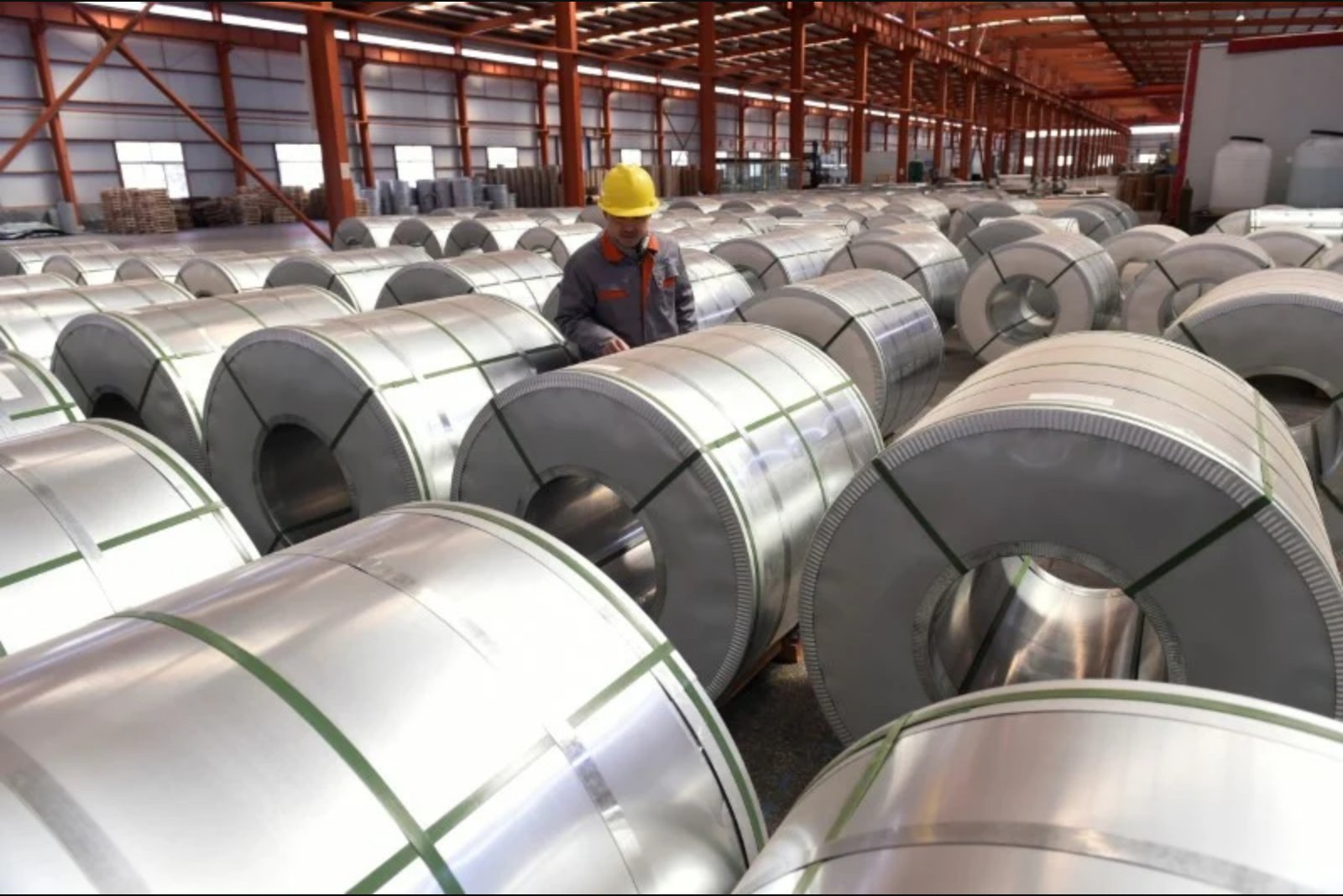
Aluminium prices pushed higher on Friday, reaching levels not seen in over four years as traders responded to heightened supply risks tied to recent military exchanges in the Middle East. Benchmark aluminium on the London Metal Exchange was trading at $3,690 a metric ton, up 0.6% at 0916 GMT. Earlier in the session the metal peaked at $3,707.50, a price that matched a May 26 intraday level and represented the strongest reading since March 2022.
Market participants pointed to disruptions in the Middle East as a key factor lifting prices. The region accounts for about 9% of global aluminium smelting capacity. A closure of the Strait of Hormuz has restricted aluminium exports from the area and has hampered imports of the raw materials required for smelting.
Those raw materials are inputs for production of a wide range of goods. The aluminium produced from smelting is used in the manufacture of cars, aeroplanes, beer cans and building materials, meaning any constraints along key shipping routes can have implications across multiple industrial sectors that depend on the metal.
Copper markets also showed upward momentum as traders priced in tighter conditions outside the United States. Over the past year the U.S. has absorbed substantial amounts of copper, a pattern linked to expectations around potential tariffs on imports. Market watchers noted that the U.S. is due to decide by late June whether to impose tariffs on copper metal imports, a decision that has factored into recent price movements.
The recent price action highlights how geopolitical developments and trade policy uncertainty can influence base metals, with both supply-route disruptions and the prospect of import tariffs contributing to tighter market sentiment for aluminium and copper.
Sectors affected: Automotive manufacturing, aerospace, packaging, construction, and broader industrial metal markets.