
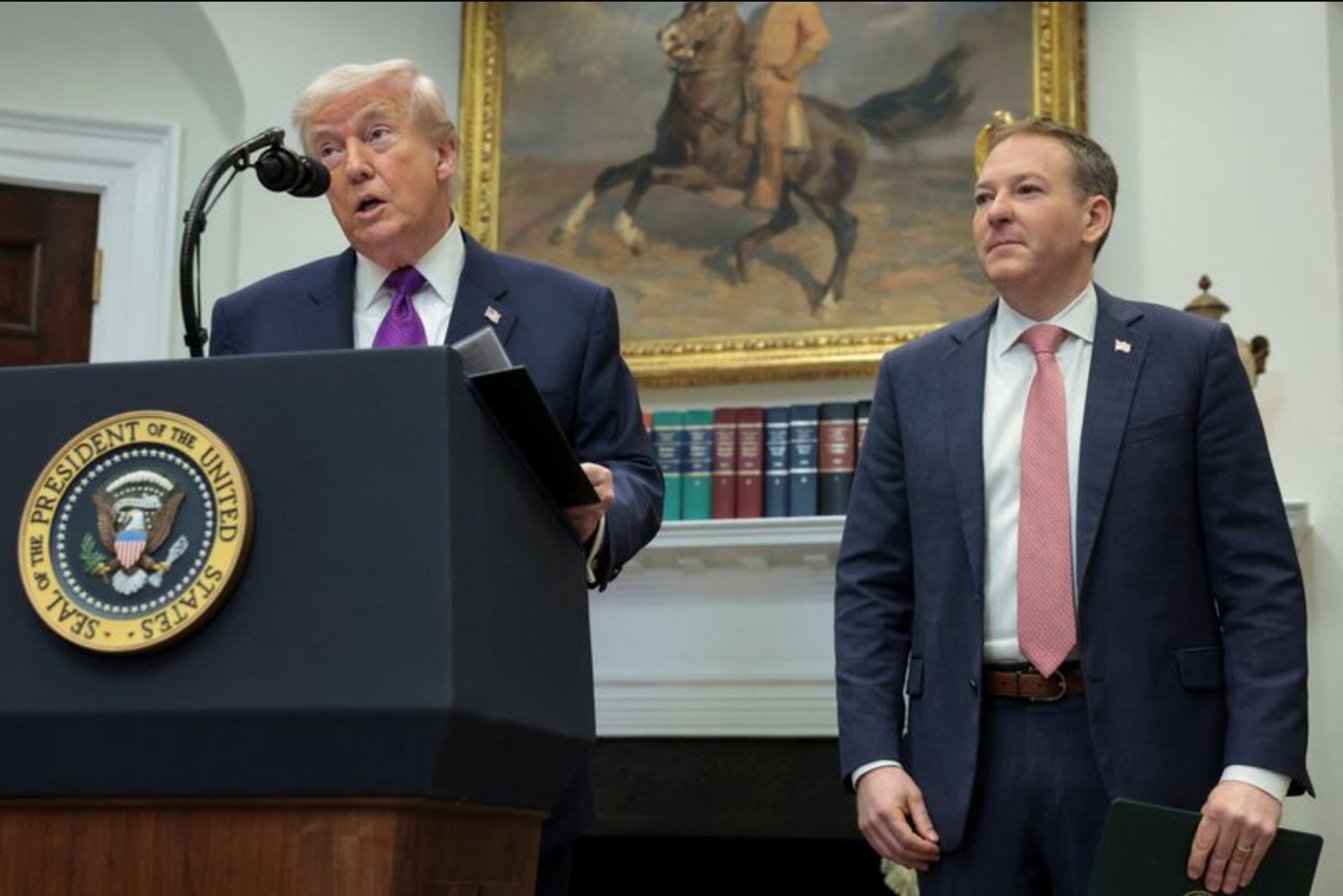
Summary: The EPA announced plans to delay compliance deadlines tied to two refrigerant-related rules adopted during the previous administration and to propose additional rollbacks to other limits on hydrofluorocarbons (HFCs), a class of potent greenhouse gases commonly used in refrigeration and air conditioning. Agency leadership framed the actions as cost-saving measures for consumers, while industry associations raised concerns that the changes could increase the use of refrigerants and push up prices.
The EPA said it will defer compliance with two rules introduced in the prior administration that implement parts of a 2023 EPA regulation intended to curb emissions of superpollutants. The administrator of the EPA stated that delaying these compliance dates is part of a broader initiative to unwind environmental regulations enacted under the previous president.
The planned changes directly affect several business sectors, including supermarket chains, semiconductor manufacturers and other companies that rely on HFCs in refrigeration and air conditioning systems. The compliance requirements at issue derive from a 2023 rule focused on reducing releases of potent greenhouse gases used across those industries.
In addition to postponing the current compliance dates, the EPA indicated it will propose further rollbacks of other HFC restrictions through a separate rule that would apply to transporters of refrigerated goods, according to the agency official.
The EPA administrator argued that easing the restrictions would translate into lower costs for consumers, putting a specific estimate on potential savings of more than $2.4 billion. In a public statement the administrator said: "Americans were right to be frustrated with the Biden-era refrigerant rules. They didn’t protect human health or the environment and instead piled on costly, unattainable restrictions beyond what the law requires."
Responses from the refrigeration and air conditioning industry were mixed. While much of the sector had been broadly supportive of earlier regulatory efforts, some industry associations warned that the proposed delay would ultimately swell costs for manufacturers, grocery stores and customers because it could increase the quantity of refrigerants required.
The Air-Conditioning, Heating and Refrigeration Institute (AHRI) criticized grocery store chains that had advocated for the rollback. AHRI said the move would raise prices by shrinking the supply of existing refrigerants and disputed the administration’s cost-savings claim. Steven Yurek, president of AHRI, said: "This was never a rule forcing stores to replace existing equipment. It was a rule for new equipment. The EPA has no analysis showing that delaying these dates will lower costs for consumers."
The planned actions on refrigerants come amid related recent regulatory moves: the EPA last week proposed loosening wastewater limits for coal-fired power plants, with the agency saying those changes would lower electricity costs.
Key points
- The EPA plans to delay compliance with two Biden-era refrigerant rules tied to a 2023 regulation targeting HFC emissions.
- The agency also intends to propose further rollbacks affecting transporters of refrigerated goods.
- The measures are expected by the administration to reduce consumer costs by more than $2.4 billion, though some industry groups dispute that claim.
Risks and uncertainties
- Industry groups warn the delay could increase refrigerant use and raise costs for manufacturers, grocers and consumers - impacting the grocery and manufacturing sectors.
- AHRI disputes the administration’s cost-savings assertion and highlights the lack of agency analysis showing lower consumer costs - creating regulatory uncertainty for equipment makers and retailers.
- Pending separate rulemaking targeting transporters of refrigerated goods could alter logistics and compliance requirements for the cold chain - affecting transportation and logistics companies.