
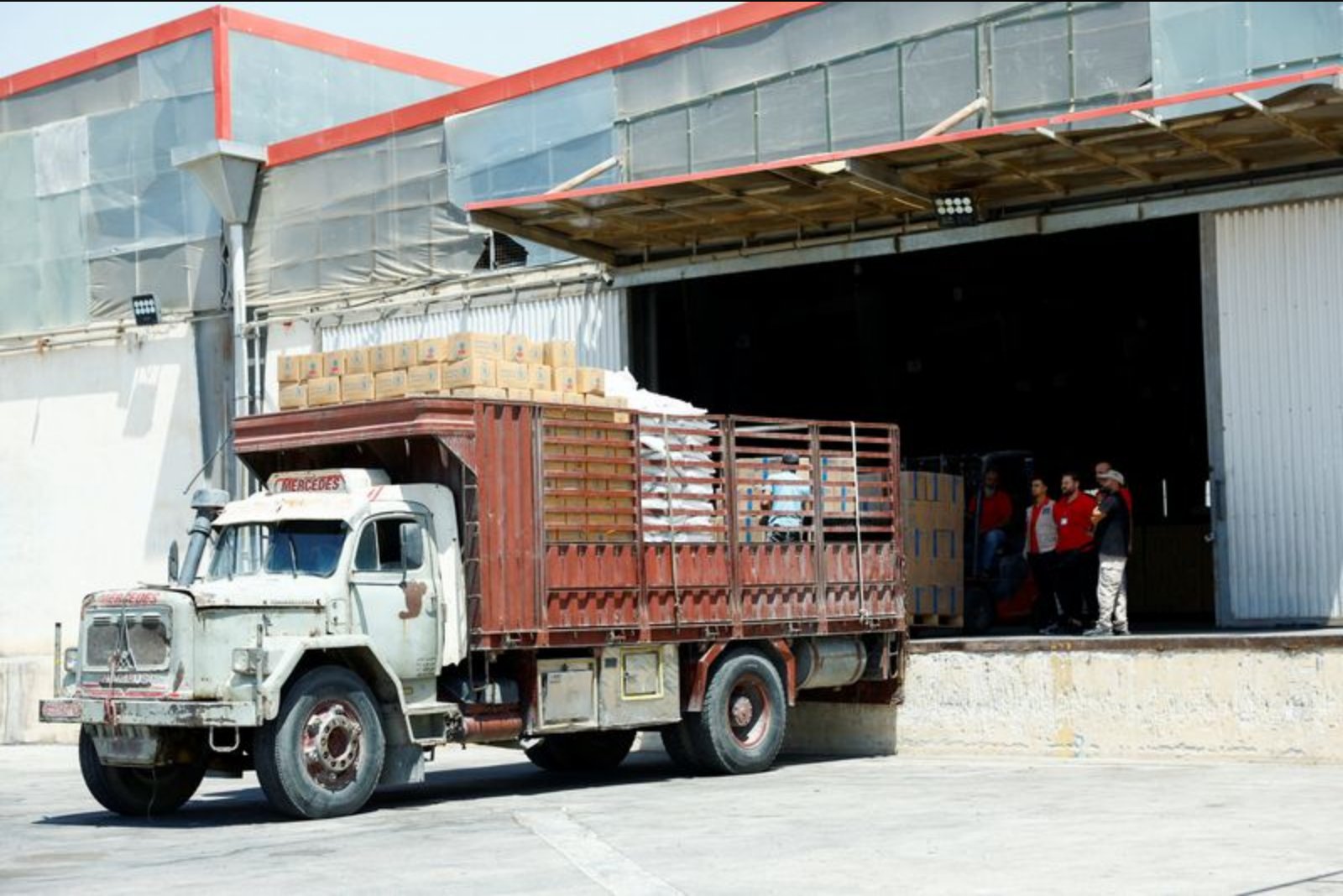
The World Food Programme said on Wednesday it has drastically reduced emergency food assistance in Syria because of insufficient funding, even as large segments of the population continue to face acute hunger and rely on humanitarian aid.
In a statement, the WFP reported that emergency food aid recipients in Syria dropped to 650,000 in May from 1.3 million. The agency also said it has scaled back operations in all 14 Syrian governorates to just seven.
The WFP warned that 7.2 million people in Syria remain acutely food insecure, with 1.6 million classified as facing severe hunger. The agency said many households have already cut meal portions, shifted to less nutritious foods or skipped meals entirely.
"The reduction in WFP’s assistance is driven solely by funding constraints, not by a decrease in needs," Marianne Ward, the WFP’s country director in Syria, said in the statement.
Alongside the cut to emergency rations, the WFP said it has halted a bread subsidy programme that had supported more than 300 bakeries with fortified wheat flour. That programme previously helped provide subsidised bread to as many as four million people daily in some of the most vulnerable areas.
The agency said the reductions reflect tightening donor budgets. The United States - the WFP’s largest donor - has cut foreign aid under President Donald Trump, and the WFP said other countries have also implemented or announced reductions in development and humanitarian assistance.
Syria continues to confront a severe economic crisis after more than a decade of conflict that devastated infrastructure, displaced millions and battered livelihoods. Although fighting has eased in many parts of the country since the ouster of former President Bashar al-Assad at the end of 2024, aid agencies say humanitarian needs remain severe.
To sustain and restore assistance inside Syria, the WFP said it requires $189 million for the period from June through November. The agency also reported that funding shortages are affecting Syrian refugees in neighbouring countries.
In Jordan, the WFP halted cash-based food assistance for 135,000 Syrian refugees living in host communities, while maintaining reduced support for around 85,000 refugees in camps. In Egypt, support for 20,000 Syrians has been reduced. The agency added that many refugee households in Lebanon remain heavily dependent on aid.
This shift in WFP operations reflects immediate fiscal pressures on humanitarian programming and points to sustained demand for external funding if assistance levels are to be restored.