
World May 6, 2026 03:13 AM

South Africa Confirms Andes Hantavirus in Two Cruise Ship Passengers

Authorities say the Andes strain, capable of rare human-to-human spread, was detected after illnesses aboard the MV Hondius

By Derek Hwang

South African health authorities identified the Andes strain of hantavirus in two people who became ill while aboard the cruise ship MV Hondius. Tests by the National Institute for Communicable Diseases linked the fatal infection of a Dutch woman and the ongoing hospitalization of a British man to the Andes strain, which is the only hantavirus known to transmit between people - albeit rarely and typically only after very close contact.

South Africa Confirms Andes Hantavirus in Two Cruise Ship Passengers

Key Points

  • NICD testing identified the Andes strain of hantavirus in two passengers who fell ill on the MV Hondius, one of whom died in Johannesburg and one of whom remains hospitalized - sectors affected include public health and international travel.
  • The Andes strain is unique among hantaviruses for documented human-to-human transmission, though officials stressed such transmission is very rare and generally requires very close contact - impacting health care and disease surveillance operations.
  • The MV Hondius was granted permission to call at the Canary Islands while en route from Cape Verde to Europe, highlighting cross-border movement of potentially infected passengers and implications for maritime and port authorities.

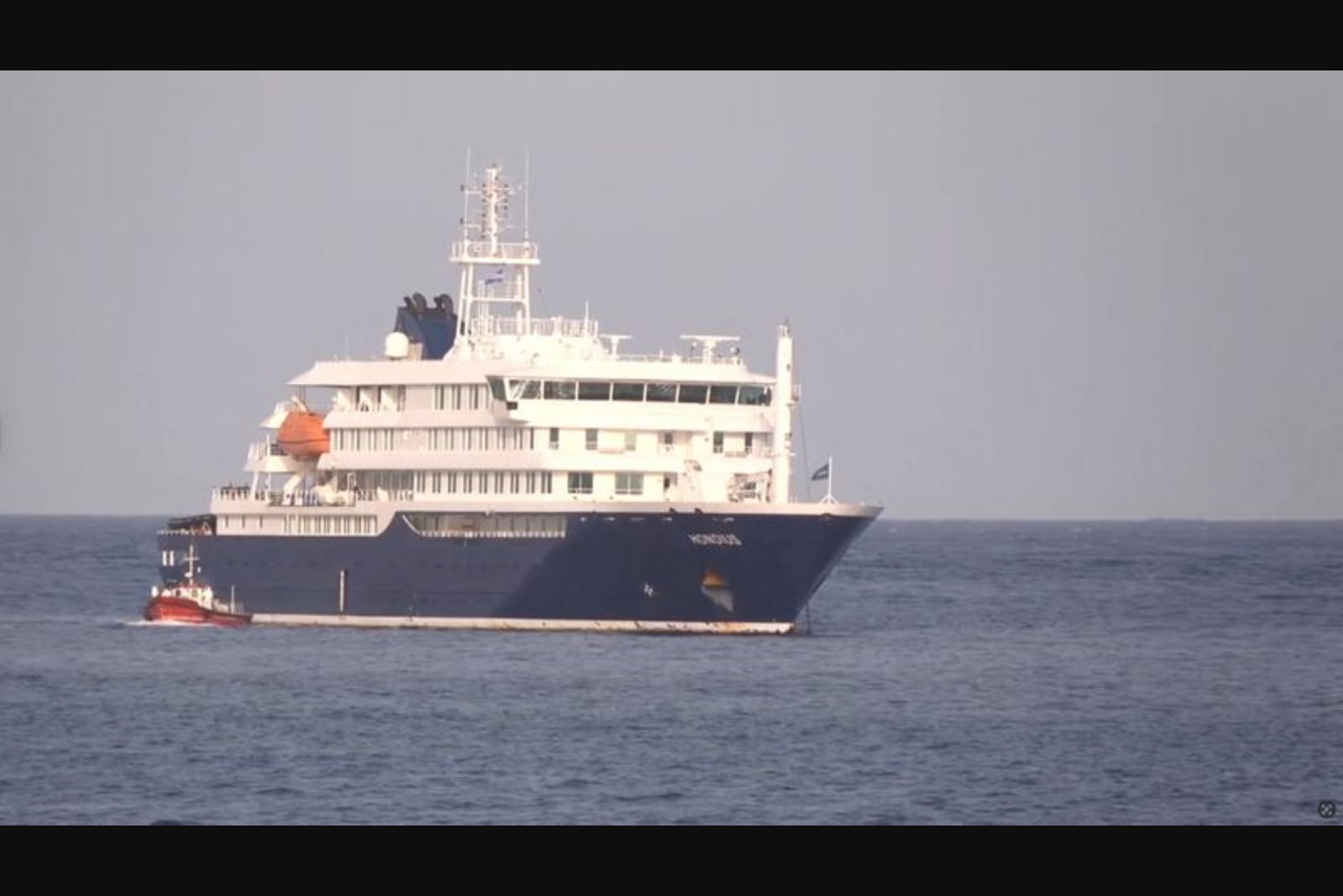
JOHANNESBURG, May 6 - South African health officials have confirmed the presence of the Andes strain of hantavirus in two individuals who fell ill after traveling on the cruise vessel MV Hondius, a presentation to parliament by the health ministry shows.

Laboratory testing conducted by South Africa's National Institute for Communicable Diseases (NICD) identified the Andes strain as the cause of infection in a Dutch woman who died in Johannesburg and in a British man who remains hospitalized. Both patients became unwell while on the cruise ship.

The MV Hondius was preparing to continue a voyage from Cape Verde toward Europe after receiving permission from Spanish authorities to call at a port in the Canary Islands. The confirmation of the Andes strain followed diagnostic work reported to lawmakers and seen by Reuters.

The health ministry presentation emphasized that the Andes strain is the only hantavirus subtype known to be capable of human-to-human transmission. It noted, however, that such transmission is very uncommon and occurs primarily in contexts of very close personal contact between people.

Other hantavirus strains, the presentation reiterated, are typically transmitted to people through direct contact with infected rodents or with rodent excreta - including urine, droppings or saliva - rather than between infected humans.

The information provided to parliament did not expand on the number of additional contacts traced, the nature of the close contacts under investigation, or the broader epidemiological picture beyond the two confirmed cases on the ship. Officials also did not provide further clinical details beyond the death and the ongoing hospitalization.

Health authorities have highlighted the rarity of human-to-human spread of hantavirus even with the Andes strain, stressing that transmission events documented to date have been uncommon and typically linked to very close proximity between infected and susceptible individuals.


Summary of facts:

  • The Andes strain of hantavirus was confirmed by NICD testing in two people who fell ill on the MV Hondius.
  • A Dutch woman died in Johannesburg; a British man remains in hospital.
  • The MV Hondius was preparing to sail from Cape Verde to Europe after Spanish permission to dock in the Canary Islands.
  • Andes is the only hantavirus strain known to spread person-to-person, but such transmission is very rare and requires very close contact; other strains are typically spread via infected rodents or their excreta.

Risks

  • Even though human-to-human transmission of the Andes strain is rare, very close contact can facilitate spread - this poses a risk to close contacts and health care workers and affects the health care sector and infection control practices.
  • The movement of the cruise ship between ports in different countries introduces uncertainty about potential exposure of passengers and port communities along the ship's itinerary, raising monitoring and public health response challenges for maritime and travel sectors.
  • Limited public detail on contact tracing and further cases creates uncertainty about the full extent of exposure from the incident, complicating risk assessment for local health authorities and travel-related services.

More from World

Iran Insists on a 'Fair and Comprehensive' Deal as U.S. Signals Pause in Hostilities May 6, 2026 Authorities Launch Probe After Deadly Blast at Hunan Fireworks Plant May 6, 2026 Ukraine Says Russia Broke Ceasefire Offered by Kyiv, Reports Dead and Wounded in North and East May 6, 2026 Pope Leo’s First Year: From Low Profile to a More Forceful Global Voice May 6, 2026 Guatemala names Gabriel Estuardo Garcia Luna as new attorney general May 5, 2026