
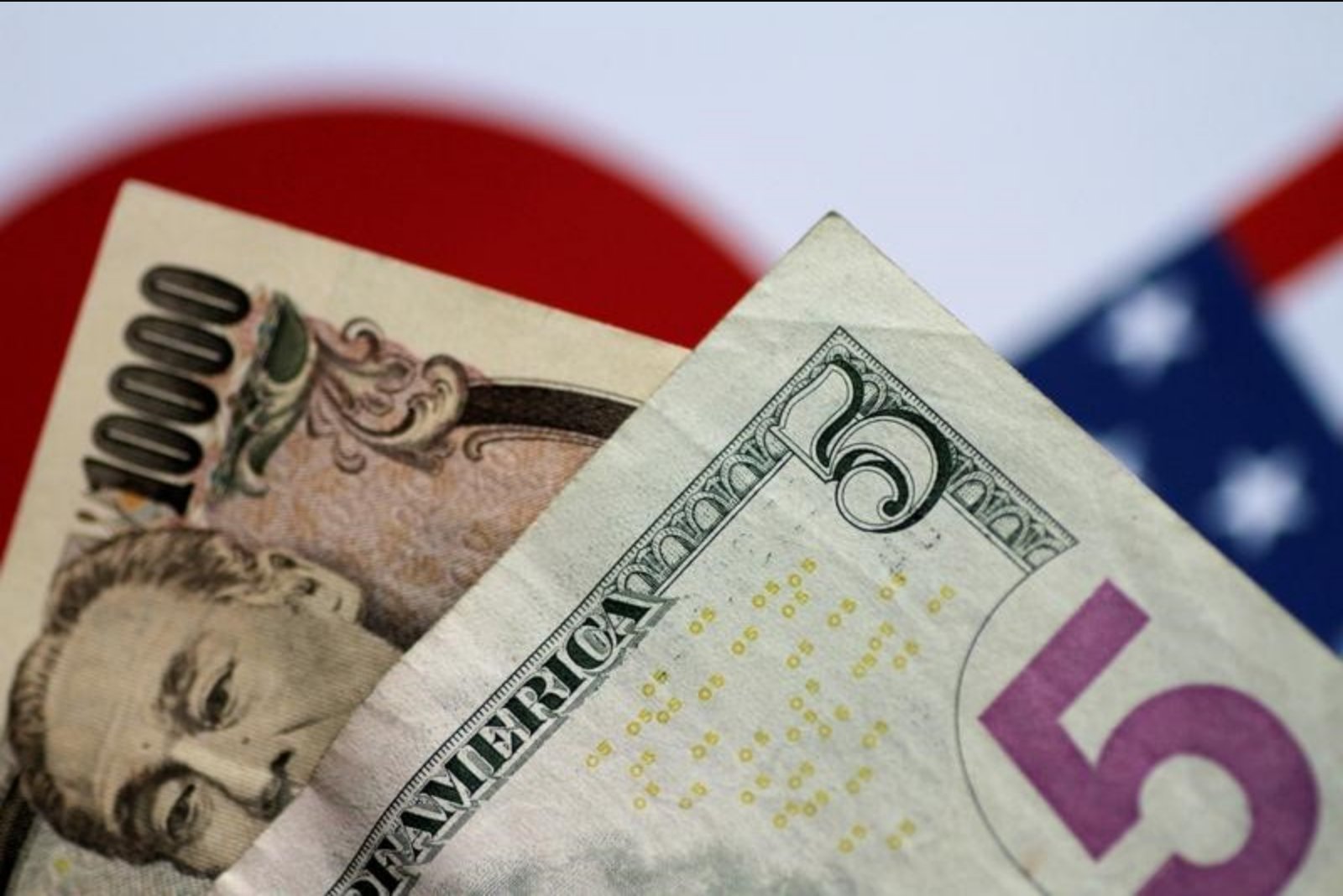
The Japanese yen firmed significantly on Wednesday after a series of reports suggested that Tokyo had recently stepped into currency markets to support the currency. The USD/JPY pair - which measures how many yen are required to buy one U.S. dollar - fell 1.7% to 155.09 yen, marking its lowest level since late-February.
Market participants noted that the yen has experienced sharp and sudden advances over the prior week as reports of intervention surfaced. Those accounts first emerged after USD/JPY dropped sharply from the 160 yen area last week. Authorities in Tokyo have historically viewed 160 yen as a threshold they will seek to prevent the pair from breaching, and reports say measures were taken to stop further dollar strength.
Low trading volumes in Japan, the result of a sequence of market holidays, also heightened the yen's moves. Thin liquidity around holidays can exaggerate price swings, and Tokyo has previously taken advantage of such conditions when intervening to support the currency.
Volatility has been notable since the initial reports: the yen briefly appreciated sharply at times this week, then gave up some of those gains before firming again on Wednesday. While the currency reclaimed ground versus the dollar during these episodes, it also trimmed portions of its advance at points during the session.
Looking ahead, the outlook for the yen remains restrained. The article points to two main limitations on a sustained rally: stretched Japanese government spending and the Bank of Japan's continued reluctance to raise interest rates. The central bank left interest rates unchanged last week, although it signalled that it stood ready to raise rates should inflation pick up materially.
Contextual note: Market dynamics this week have been defined by reported policy action from Tokyo, the interplay of thin liquidity during national holidays, and persistent structural constraints tied to fiscal and monetary stances.