
Kongsberg Gruppen reported mixed first-quarter results on Wednesday, combining strong profit growth and a sharp increase in new orders with revenue that missed analysts' projections.
The company recorded revenue of NOK 9.20 billion for the quarter, up 26% compared with the same period a year earlier. That performance fell short of market expectations, which had been set at NOK 11.36 billion.
Profitability showed a more robust picture. Kongsberg's Q1 EBIT rose 55% year-over-year to NOK 1.54 billion, representing an EBIT margin of 16.6% for the quarter. The margin and profit growth reflect more favourable earnings dynamics within the business despite the sales shortfall versus analyst models.
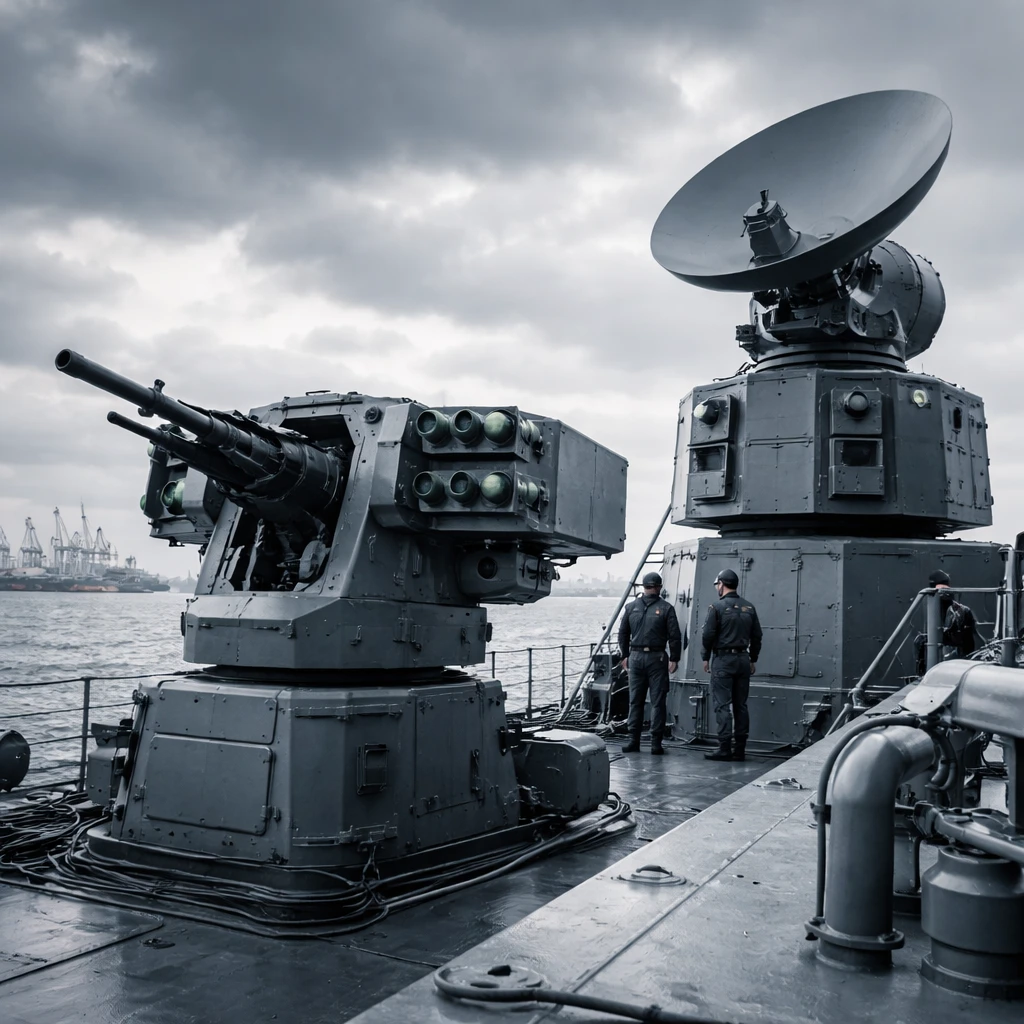
Order intake surged during the quarter, climbing to NOK 27 billion - more than double the inflow seen in the comparable period. The company said the increase was driven by strong demand for defence products, in particular weapon stations and counter-drone systems. A single, significant contract to supply counter-unmanned aerial systems to Poland accounted for NOK 16 billion of the quarterly order intake.
Kongsberg pointed to rising geopolitical tensions and higher defence spending among NATO countries as the primary factors behind the increased demand for its defence portfolio. The company described demand across its product range as record-high and said that these conditions underpin its forward-looking expectations.
Looking ahead, Kongsberg expects revenue growth in 2026 to exceed the level achieved in 2025. The company linked that outlook directly to the sustained demand for its solutions and elevated defence investments.
Summary of key figures:
- Q1 revenue: NOK 9.20 billion (up 26% year-over-year)
- Analyst expectation for Q1 revenue: NOK 11.36 billion
- Q1 EBIT: NOK 1.54 billion (up 55% year-over-year)
- EBIT margin: 16.6%
- Order intake: NOK 27 billion (more than doubled)
- Major contract contribution: NOK 16 billion from a Poland counter-UAS deal
The figures portray a company experiencing heightened demand that is translating into stronger earnings and a front-loaded order book, while revenue for the quarter lagged market forecasts. Kongsberg's comments underscore that defence spending patterns and geopolitical developments are central to its current performance and near-term outlook.