
World May 5, 2026 11:32 PM

Guatemala names Gabriel Estuardo Garcia Luna as new attorney general

Appointment follows a Constitutional Court-ordered review and a revised shortlist after incumbent Consuelo Porras was left off the original list

By Caleb Monroe

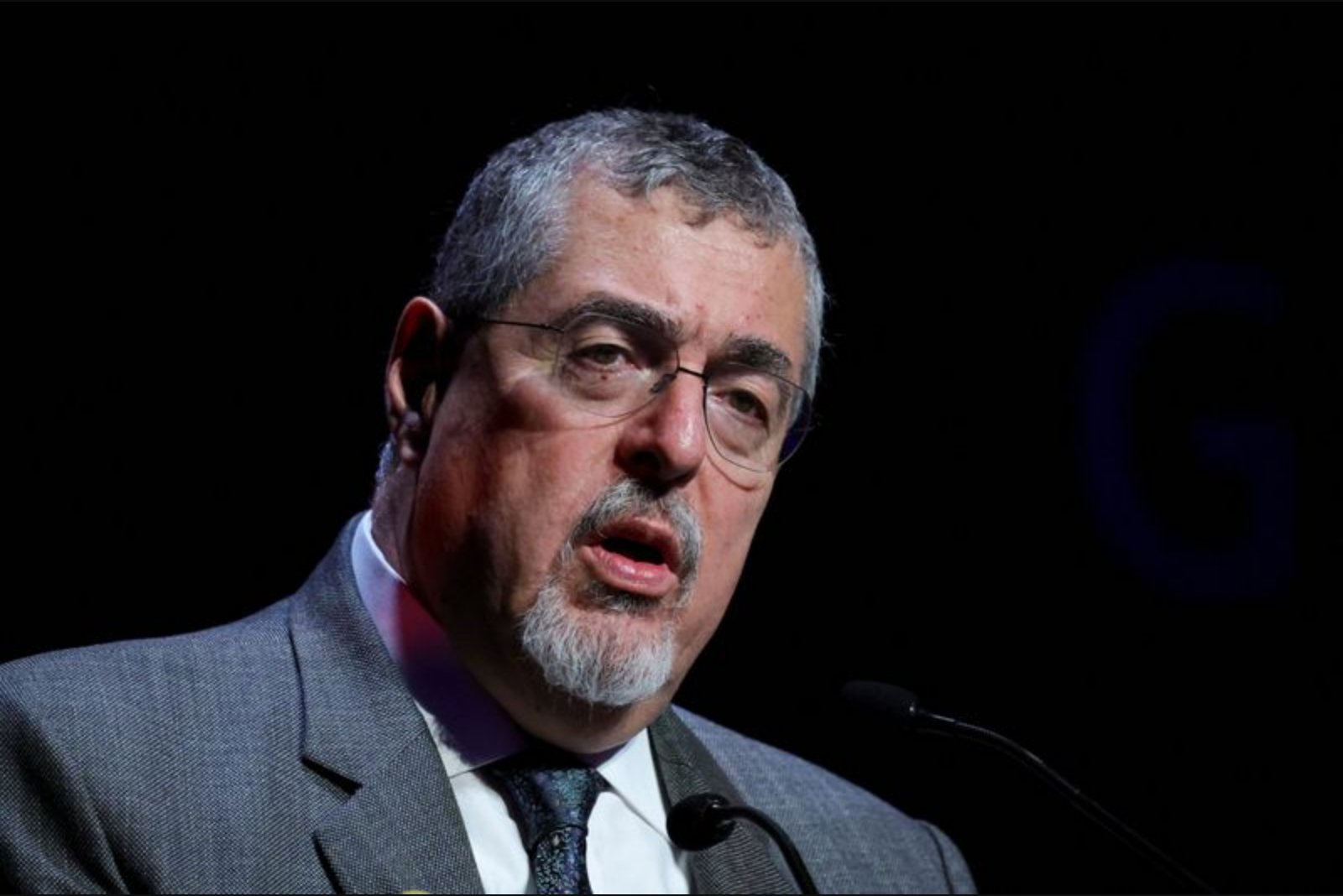
President Bernardo Arevalo announced the appointment of Gabriel Estuardo Garcia Luna, a former judge and university professor who is currently serving as a criminal adviser to the top prosecutor’s office, as Guatemala’s next attorney general. The decision follows a Constitutional Court suspension and review of the selection process that removed incumbent Attorney General Consuelo Porras from an earlier shortlist. Garcia is set to assume the role on May 17.

Guatemala names Gabriel Estuardo Garcia Luna as new attorney general

Key Points

  • President Bernardo Arevalo appointed Gabriel Estuardo Garcia Luna, a former judge and university professor currently serving as a criminal adviser, as Guatemala’s new attorney general; Garcia is due to begin on May 17.
  • The Constitutional Court froze the selection process last month and ordered a review of finalists after an initial shortlist excluded incumbent Attorney General Consuelo Porras; a new list was later approved by a committee of jurists and sent to the president.
  • Consuelo Porras, a leading adversary of Arevalo, has been sanctioned by the United States, Canada, the European Union and others for alleged corruption, persecution of human rights advocates and efforts to undermine Arevalo’s 2023 election; she has denied the accusations.

Guatemala’s president, Bernardo Arevalo, has named Gabriel Estuardo Garcia Luna as the country’s new attorney general, the president said in an address to the nation on Tuesday. Garcia, described by the administration as a former judge and university professor, currently serves as a criminal adviser to the top prosecutor’s office and will take up the post from May 17, Arevalo said.

The appointment comes after a pause in the selection process last month, when the Constitutional Court froze proceedings and ordered a review of the finalists. That intervention followed scrutiny of an initial shortlist in which current Attorney General Consuelo Porras was not included. A subsequent slate of candidates was then put to a vote by a committee of jurists and presented to the president, enabling him to make a selection.

Porras, who has been a prominent opponent of Arevalo, has faced sanctions from multiple foreign governments and institutions. The United States, Canada, the European Union and others have sanctioned Porras for alleged corruption, persecution of human rights advocates and efforts to undermine Arevalo’s 2023 election. Porras has publicly denied the accusations against her.

"This is a time to learn from our history. Justice has all too often been a tool of revenge. It is time to leave that past behind," Arevalo said, framing the appointment as the start of a "new chapter" and offering Garcia wishes of clarity and resolve as he prepares to assume the role.

In his remarks the president also outlined how he views the mandate of the attorney general. He said the office is required not to serve "the incumbent president or any particular or spurious political interests, but to serve an independent and impartial justice system dedicated to the people who make up the Guatemalan nation."

The process that produced Garcia’s name began with a shortlist that drew public and institutional attention because it omitted the sitting attorney general. The Constitutional Court’s order to freeze and review the finalists interrupted that initial process. Following the review, a committee of jurists approved a new list, which was delivered to the president, allowing him to proceed with a nomination.

The transition to a new attorney general, scheduled for May 17, follows a period of institutional contention and external sanctions directed at the outgoing attorney general. How the office will operate under Garcia, and how it will address the issues raised during the selection process, remains to be observed as he assumes his duties.

Risks

  • Legal and institutional uncertainty stemming from the Constitutional Court’s intervention and the prior freeze of the selection process could continue to affect the judiciary and prosecutorial institutions.
  • Political tension between the new attorney general and supporters of the incumbent, given Consuelo Porras’s status as a leading adversary of the president and the sanctions leveled against her, may create ongoing governance risks.
  • Public scrutiny and international concern linked to sanctions and allegations against the outgoing attorney general could maintain pressure on the justice system and influence perceptions of judicial independence.

More from World

Pope Leo’s First Year: From Low Profile to a More Forceful Global Voice May 6, 2026 U.S. Forces Strike Eastern Pacific Vessel, Three Killed; Rights Groups Raise Legal Concerns May 5, 2026 Fitch Raises Argentina's Sovereign Rating as Fiscal and External Balances Improve May 5, 2026 CS Anthem Leaves Strait of Hormuz; Second U.S.-Flagged Commercial Ship to Transit with Military Escort May 5, 2026 James Murdoch Proposes $300 Million Bid for New York Magazine and Podcast Assets May 5, 2026