
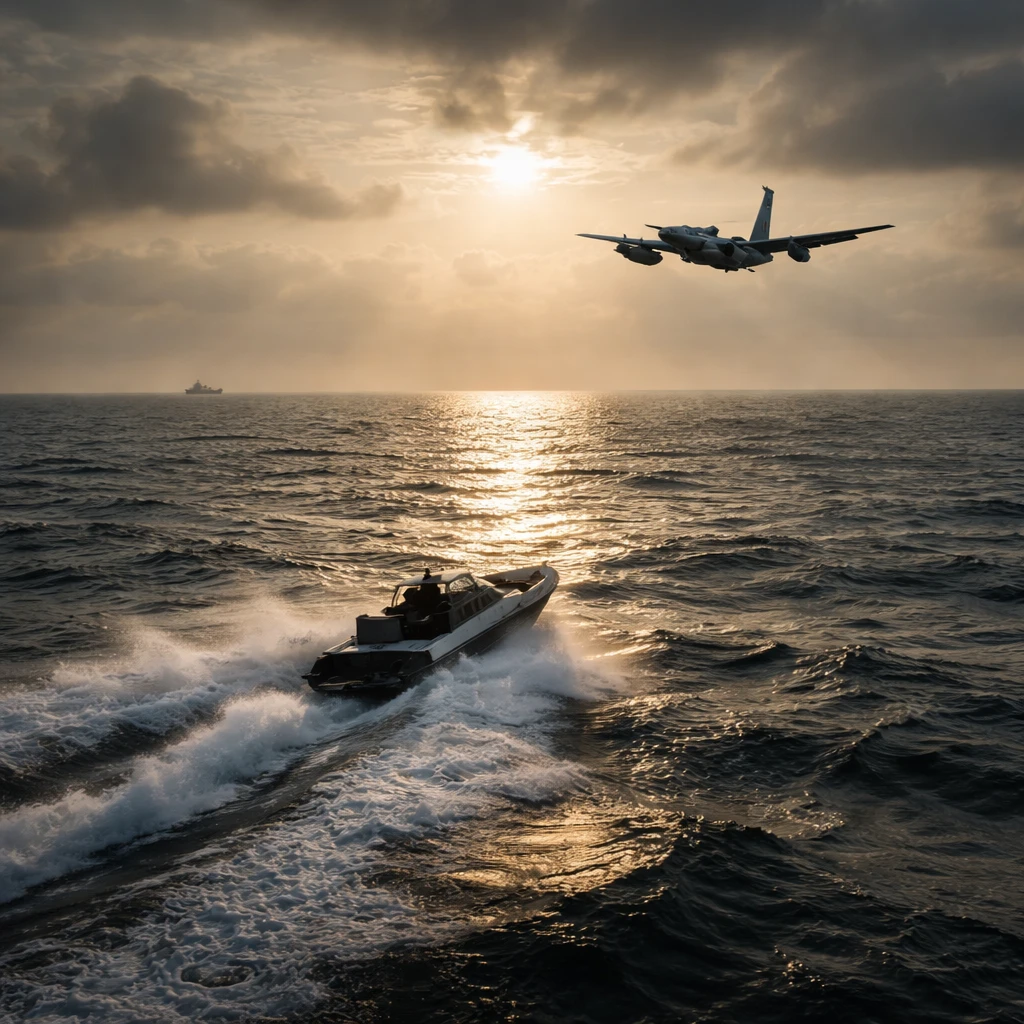
The U.S. military said on Tuesday it struck a vessel in the Eastern Pacific, killing three people and prompting renewed scrutiny from human rights organizations and civil liberties advocates.
In a statement posted on X, U.S. Southern Command alleged the vessel was operated by "Designated Terrorist Organizations," though it did not provide the names of those groups. The command said intelligence confirmed the vessel was transiting along known narco-trafficking routes in the Eastern Pacific and that it was engaged in narco-trafficking operations.
The military said no U.S. forces were harmed in the operation. Those killed were described by the command as "male narco-terrorists," a characterization the statement offered without further detail.
These strikes are part of a series of U.S. military operations in the Eastern Pacific in recent weeks. The U.S. administration under President Donald Trump has been conducting strikes against vessels it accuses of transporting narcotics. Officials say such operations have killed more than 170 people since September.
At the same time, the actions have drawn criticism from multiple rights groups and legal experts. Human Rights Watch and Amnesty International have characterized the strikes as "unlawful extrajudicial killings." The American Civil Liberties Union has described the administration's assertions about its targets as "unsubstantiated, fear-mongering claims."
Observers and advocates have raised questions about the legal basis and oversight of the strikes, an issue underscored by the recent cadence of lethal actions reported by the military. The Southern Command statement emphasized the intelligence assessment linking the vessel to narcotics trafficking while providing limited publicly available detail about the identities of the groups it cited.
The incident adds to an ongoing pattern of U.S. maritime operations in the region that have generated both official justification and external dispute over legality and proportionality. Beyond the immediate loss of life, the events have intensified calls for greater transparency around target identification and the evidence used to support lethal force at sea.
Summary of facts reported:
- The U.S. military struck a vessel in the Eastern Pacific on Tuesday, killing three people.
- U.S. Southern Command said the vessel was operated by "Designated Terrorist Organizations" but did not name them.
- The command stated the vessel was on known narco-trafficking routes and engaged in narco-trafficking operations.
- No U.S. military forces were reported harmed; those killed were described as "male narco-terrorists."
- Human Rights Watch and Amnesty International called the strikes "unlawful extrajudicial killings," and the ACLU criticized the administration's claims as "unsubstantiated, fear-mongering claims."