
Beijing - Iran’s top diplomat reiterated that Tehran will accept only "a fair and comprehensive agreement" in its negotiations with the United States over an end to the war in the Middle East, Iranian media reported. Foreign Minister Abbas Araqchi made the comments on Wednesday after meeting China’s foreign minister Wang Yi.
Araqchi stressed Iran’s intent to safeguard "our legitimate rights and interests in the negotiations" and repeated that "we only accept a fair and comprehensive agreement." He did not, however, directly address a separate public statement from the U.S. president that outlined a pause in a U.S. naval operation as an incentive to reach a settlement.
President Donald Trump wrote on social media that his administration and Iran had "mutually agreed that, while the Blockade will remain in full force and effect, Project Freedom ... will be paused for a short period of time to see whether or not the Agreement can be finalized and signed." The post framed the pause as temporary and conditional on the prospect of finalizing an agreement.
Global energy markets reacted to the comments. Brent crude futures fell 1.2% to $108.60 a barrel, following a 4% decline in the prior session. U.S. West Texas Intermediate futures also eased 1.2% to $101.06 a barrel after a 3.9% drop the day before.
The White House did not immediately respond to requests for clarification about what specific progress had been made in the negotiations or how long the pause in the escort operation would last.
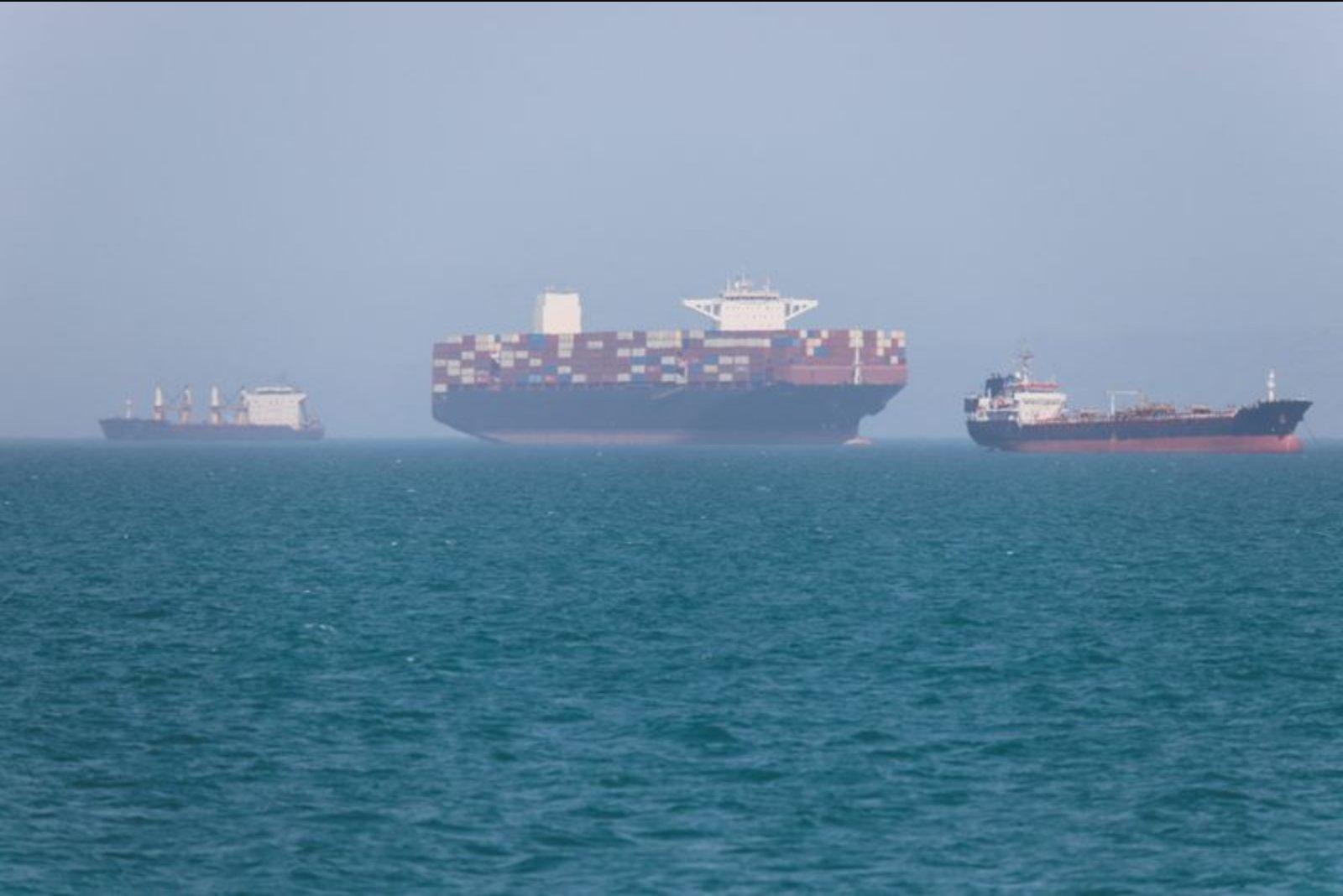
Control of the Strait of Hormuz remains a central security concern. The waterway has been effectively closed to normal traffic since the conflict began on February 28, when air strikes on Iran by U.S. and Israeli forces escalated hostilities. That closure has been estimated to stop roughly 20% of world oil supplies from regular movement, contributing to a global energy shock.
U.S. officials, including Secretary of State Marco Rubio and other senior administration figures, have said Iran cannot be permitted to control maritime traffic through the strait. Iran has asserted leverage over the route by threatening deployment of mines, drones, missiles and fast-attack craft. In turn, the United States has responded by enforcing a blockade on Iranian ports and arranging escorted transits for commercial vessels.
The U.S. military reported on Monday that it had destroyed several small Iranian boats as well as cruise missiles and drones. Despite these military engagements, a fragile ceasefire agreed four weeks ago has so far remained in effect.
The human and economic toll of the conflict has been substantial. The war has resulted in thousands of deaths as it has spread from Iran into Lebanon and across the Gulf region, and it has disrupted global commerce and energy markets. The head of the International Monetary Fund said earlier that even if fighting ended immediately, it would take three to four months to address the economic fallout.
President Trump told reporters in the Oval Office that Iran’s military capability had been reduced to firing "peashooters" and said Tehran desired peace, despite ongoing public displays of force. On his social media platform he wrote: "Great Progress has been made toward a Complete and Final Agreement with Representatives of Iran."
Domestic political considerations for the U.S. administration were noted as well. The conflict and the associated rise in fuel prices are generating pressure on the administration ahead of midterm elections in November, as increased gasoline costs affect household budgets.
On the strategic rationale for the military actions, the U.S. and Israel say their strikes were designed to remove what they described as imminent threats, pointing to Iran’s nuclear and ballistic missile programs and its support for militant groups such as Hamas and Hezbollah. Tehran, for its part, has characterized the strikes as violations of its sovereignty and asserted its right to pursue nuclear technology for peaceful purposes, including enrichment, as a party to the Nuclear Non-Proliferation Treaty.
Efforts to resolve the conflict diplomatically have made limited headway. U.S. and Iranian delegations completed a single round of face-to-face peace talks, but efforts to schedule additional meetings have not succeeded to date.
The situation remains fluid. Iran’s insistence on a comprehensive settlement, Washington’s declaration of progress and a temporary pause in naval operations, and the ongoing closure of a strategic maritime artery together maintain pressure on energy markets, shipping, and regional security calculations.