
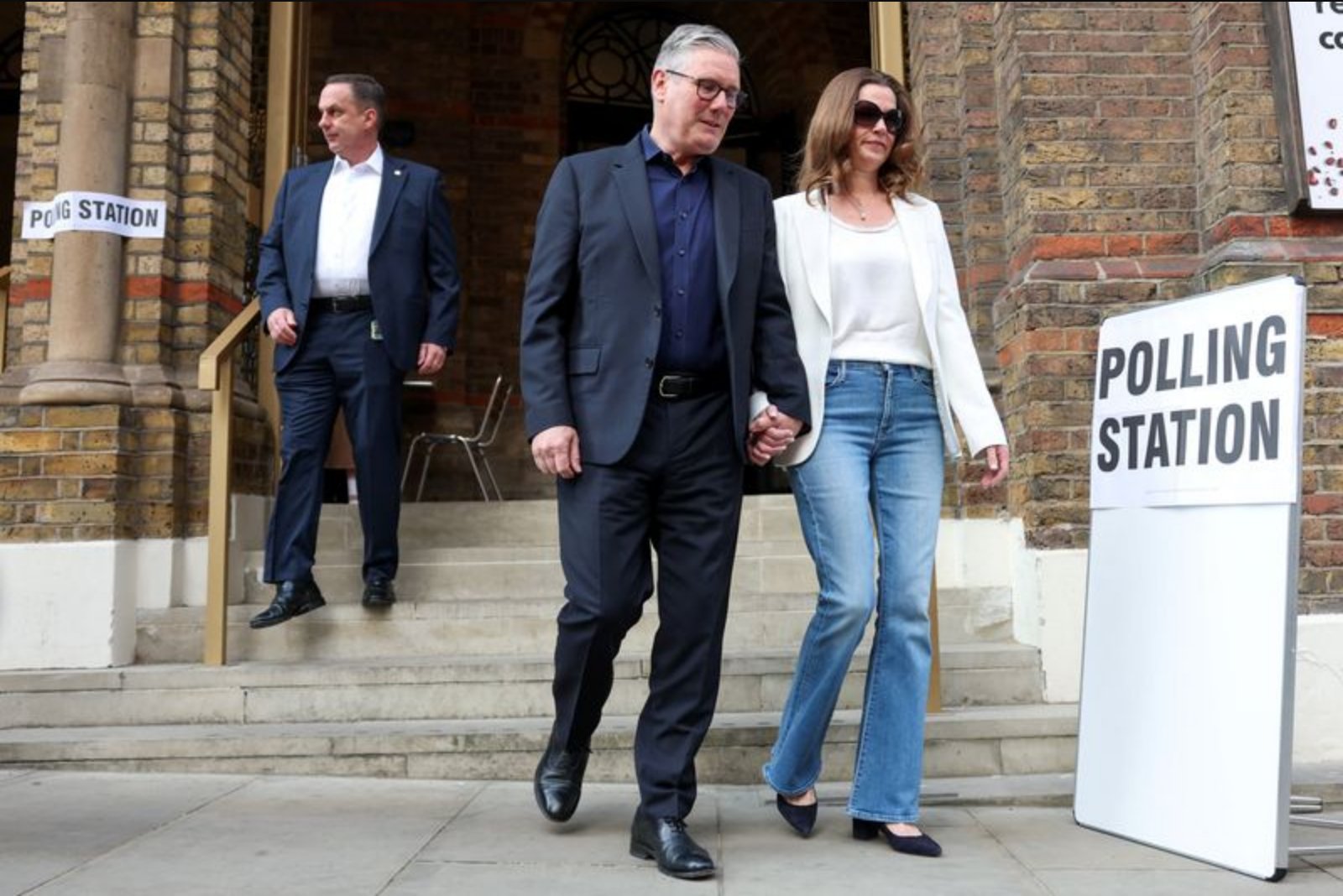
On May 7, millions of voters across Britain took part in a broad set of local and regional elections that could leave the governing Labour Party significantly weakened and prompt renewed debate over Prime Minister Keir Starmer’s ability to lead.
Ballots were cast for almost 5,000 council seats in England alongside contests for the devolved parliaments in Scotland and Wales. Polling and early indications pointed to substantial gains for populist and nationalist challengers, and to intensified pressure on Labour as it confronts the possibility of losing large swathes of its local base.
Political analysts and party figures say the results could signal a reordering of Britain’s political landscape - not by introducing new policy facts, but by reflecting voter movement away from the traditional Labour-Conservative dichotomy toward parties that trade on populist or nationalist messages.
Populist, nationalist and green advances
Polls and reports suggested Reform UK, the party long associated with Brexit campaigner Nigel Farage, was poised to expand its control of councils in England. In Scotland and Wales, some signs pointed to Reform or similar forces emerging as the main opposition to the pro-independence Scottish National Party and Plaid Cymru, respectively.
At the same time, the Green Party looked set to challenge Labour in urban centres, including parts of London where Labour had previously been secure. That left the party facing the real prospect of losing a significant number of council seats in England, ceding its dominance of the Welsh Senedd and finishing behind rivals in Scotland’s Holyrood parliament.
Immediate political consequences for Labour
The possible scale of the losses has intensified internal calls for clarity on leadership. Sir Keir Starmer, elected on a landslide less than two years earlier, has publicly resisted calls to step aside and vowed to continue leading his party.
Starmer pledged to confront the cost-of-living pressures affecting households, pressures he described as exacerbated by the conflicts in Ukraine and Iran. In a weekend post on Substack he wrote: "We can rise to this moment together - become a stronger, more resilient and more united nation with opportunities for all, or we can sink into the politics of grievance and division." He added: "The answer to this moment, to the world we face today, is not passive government nor is it the populists who look out at the world and offer only easy answers that would make us weaker, or bankrupt. This is a time for patriots."
As part of that stated approach, Starmer signalled his intention to pursue an "active, interventionist government" - a phrase that appeared to foreshadow further policy emphases he hopes will reassure voters and party members.
Governance questions and recent controversies
The leadership has also been dealing with a high-profile diplomatic appointment that has become a source of internal and public controversy. Labour veteran Peter Mandelson was appointed as British ambassador to the United States, a decision that turned into a major row over what party and government officials knew about his past associations.
According to the sequence of events outlined publicly, Starmer dismissed Mandelson last September after a collection of emails revealed the extent of Mandelson’s connections to Jeffrey Epstein. Subsequently, British police arrested Mandelson in February on suspicion of misconduct in public office; he has not been charged and does not face allegations of sexual misconduct.
Party dynamics and the difficulty of replacing a leader
Losses at the polls were expected to deepen frustration within Labour ranks concerning the party’s direction and the operation of Downing Street. Some lawmakers were preparing for the possibility of a post-election move calling on Starmer to set out a timetable for leaving office.
Nevertheless, the route to replacing him is far from straightforward. Two figures often mentioned as potential successors - Greater Manchester Mayor Andy Burnham and former Deputy Prime Minister Angela Rayner - were described by colleagues as not yet in positions to mount leadership bids. Other potential challengers appeared reluctant to initiate a contest immediately.
Former Labour deputy leader Tom Watson, who in 2006 publicly urged then-prime minister Tony Blair to name a departure date, advised his party to avoid repeating that example. In a Substack column Watson wrote: "I would tell them not to be as reckless as we were. Firstly, it will not work. Secondly ... voters will see a party talking to itself while the country is shouting at it."
Market reactions and wider implications
Investors have reacted to the political uncertainty by pushing Britain’s borrowing costs higher in recent weeks. Market participants and observers linked some of that movement to concern that Starmer could be displaced by a more left-wing successor who might adopt a more expansive fiscal stance.
Labour campaigners and lawmakers reported encountering anger from voters while on the doorstep, a dynamic that party officials said had contributed to the poor on-the-ground reception in some areas. That local sentiment appears to have translated into broader political and financial consequences as markets priced in heightened uncertainty.
Outlook
As the day’s ballots were counted and results tallied, the combination of gains by fringe and nationalist parties, rising Green support in urban constituencies, and high-profile controversies within Labour left the prime minister facing significant internal pressure. Whether those pressures will translate into a formal leadership challenge, a timetable for departure, or an attempt by Starmer to pivot and relaunch his premiership remained a question for the party and its members in the coming days and weeks.