
WASHINGTON, April 30 - New Chinese trade regulations released this month have stirred concern among American businesses and analysts, who warn the measures could sharply undermine U.S. efforts to reduce supply chain dependence on China. The rules provide a legal framework for potential punishment of foreign companies that seek to relocate sourcing away from Chinese suppliers.
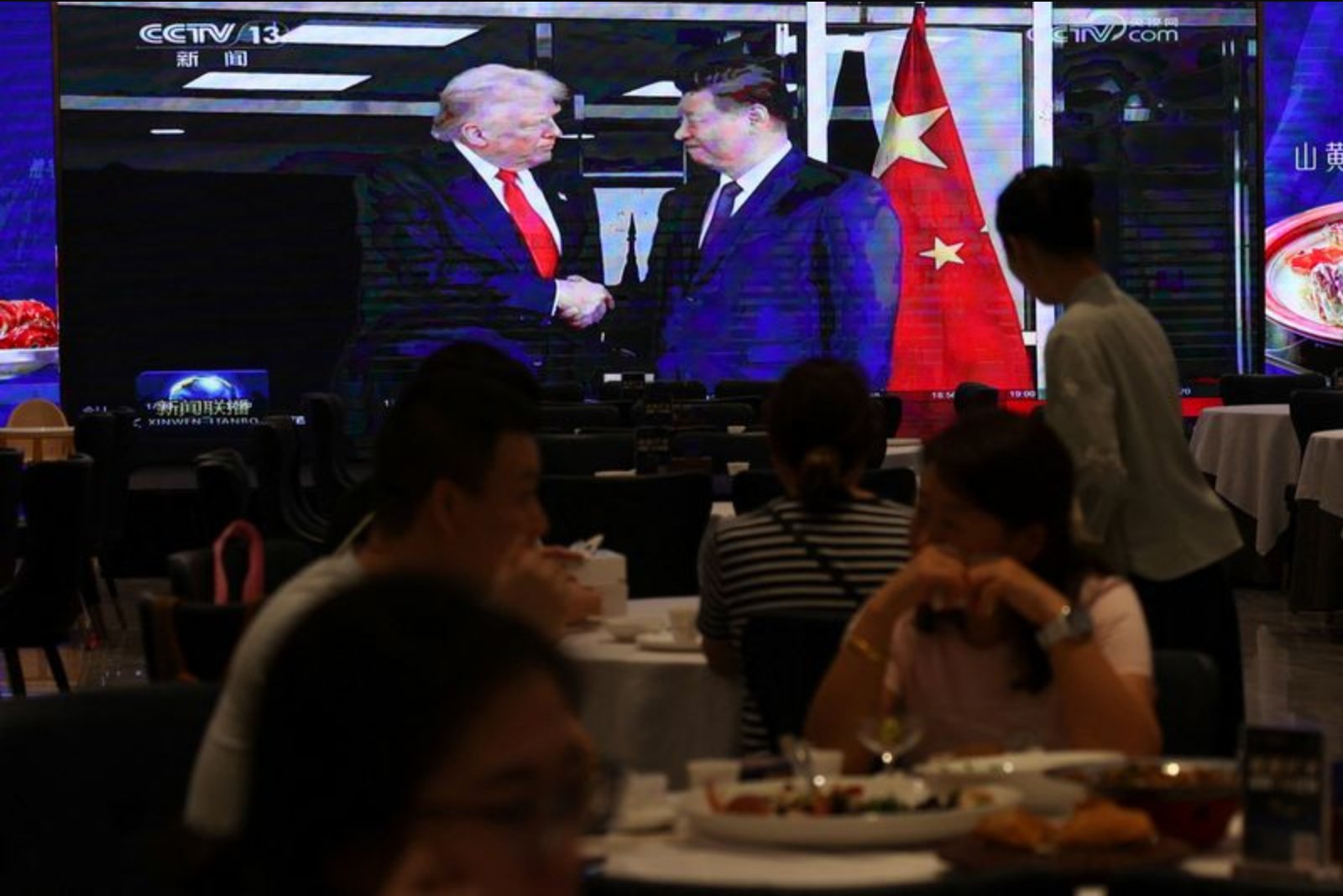
The timing of the announcement - coming just weeks before President Donald Trump is due to meet Chinese leader Xi Jinping on May 14-15 - has heightened scrutiny. The regulations follow a policy push by the Trump administration urging companies to "derisk" their supply chains and reclaim "sovereignty" in strategic sectors, including critical minerals and pharmaceuticals.
One U.S. official, speaking on condition of anonymity, said the timing suggested Beijing was testing how committed the White House is to maintaining the current pause in the trade conflict between the two countries. "It’s a clear attempt to stop derisking," the official said.
What the Chinese rules say
The newly published measures establish that foreign entities taking actions "such as suspending normal transactions with our nation’s citizens or organizations" could be subject to investigation and punishment. While the text does not single out particular industries for immediate enforcement, it directs Chinese agencies to develop a "key sectors list" intended to protect the circulation of "raw materials, technology, equipment" and other products.
Officials and analysts say the rules could be invoked across a broad range of companies. U.S. pharmaceutical firms that have been exploring moves of production and sourcing to countries such as India could find those shifts characterized as threats to China’s security. Consequences under the rules could include investment restrictions, bans on imports or exports, and limitations on personnel entering China.
A subsequent set of Chinese regulations spells out penalties for foreign firms that comply with what Beijing calls "unjustified extraterritorial jurisdiction" - language Beijing uses to describe U.S. sanctions and export controls.
Industry reaction and alarm
Business groups have voiced alarm about the potential reach of the regulations. The American Chamber of Commerce in China said Beijing could reduce purchases from foreign firms with little consequence, and warned that companies could face investigations by Chinese authorities for steps taken to lower dependence on China.
Two U.S. industry sources said the administration had been briefed by industry groups about the rules and the additional leverage they could provide Beijing. Those sources said U.S. officials were largely in "listening mode" and had not articulated a concrete stance or formal objection in public.
"It’s almost like loading the gun without actually firing it," one of the industry sources said of the Chinese measures. The source also expressed the view that a U.S. response prior to the summit was unlikely given the administration’s interest in "preserving strategic stability."
Another U.S. business source said that publicly acknowledging China’s new supply chain rules would require the administration to respond in kind, even though there appeared to be limited appetite for escalation ahead of the summit.
Washington’s muted public posture
To date, the U.S. response has been notably restrained. White House spokesman Kush Desai did not directly answer questions about the Chinese measures, instead saying only that the Trump administration "will continue to leverage every bit of America’s economic might to safeguard our national and economic security." The Treasury Department and the Office of the U.S. Trade Representative did not provide public comment on the new rules.
Some critics say the silence risks signaling weakness. Craig Singleton of the Foundation for Defense of Democracies said that the lack of a public reaction "risks signaling weakness," while acknowledging that the administration may be seeking to avoid public escalation in the run-up to the summit.
Historical context within recent negotiations
Observers note that the administration’s reticence on the new rules contrasts with the confrontational tone that marked earlier phases of the bilateral trade dispute. In the lead-up to President Trump’s October meeting with Xi in South Korea, both sides engaged in aggressive rhetoric before ultimately agreeing to a temporary truce. At that time, the U.S. had threatened sweeping measures including halting all U.S. software exports to China and imposing 100% tariffs on Chinese goods in response to Chinese controls on critical minerals.
Analysts now worry the new regulations could normalize what one think tank analyst called "supply chain coercion" and accelerate China's development of additional economic levers to lock in corporate dependence.
"Left unaddressed, these new rules will normalize supply chain coercion and accelerate China’s development of other economic weapons to lock in corporate dependence and prevent supply chain shifts out of China," said Craig Singleton.
Analyst assessments
Reva Goujon, a geopolitical strategist and director at Rhodium Group, described the measures as broad enough that U.S. negotiators could argue they violate the spirit of the earlier Busan agreement and undermine basic principles of trade and investment reciprocity. "China is clearly in a much more emboldened position," Goujon said.
Analysts and industry participants caution that if the measures are applied, they could affect sectors that have been central to U.S. derisking strategies - notably pharmaceuticals and critical minerals. The rules’ open-ended language about investigations and punishments, together with the prospect of a forthcoming "key sectors list," leaves uncertainty about which specific products or supply lines could be targeted.
Looking ahead
The regulations add a new layer of complexity to U.S.-China economic relations in the days before a high-profile summit between the two leaders. With Washington publicly muted and Chinese authorities having formalized tools to push back against corporate shifts away from China, industry groups and analysts say the measures increase geopolitical risk for companies seeking to rebalance supply chains.
How the two governments address these tensions in the coming weeks, and whether the administration will move from quiet briefings to a more forceful public posture, remains uncertain. For now, the measures stand as formal policy tools Beijing could use to penalize foreign firms that pursue sourcing changes deemed harmful to Chinese interests.