
India is entering fiscal year 2026-27 with a mix of domestic economic strength and mounting external pressures, according to the government’s monthly economic report published Wednesday. While the country remains a relative bright spot globally, the report cautions that the West Asia conflict has already altered the macroeconomic landscape.
The bulletin noted that real GDP rose 7.6% in the prior fiscal year and that the International Monetary Fund has nudged up its growth forecast for 2026-27 to 6.5% from 6.4%, underscoring India’s comparatively stronger performance. Even so, the report emphasizes that the war in West Asia is creating disruptions to supplies of energy, fertilizers and industrial raw materials, a dynamic that is feeding through into higher costs and weakening trade flows.
Rising price pressures are already visible in wholesale and retail measures. India's crude oil basket averaged $113 per barrel in March and was just under $115 per barrel for the period through April 24. Wholesale inflation accelerated to 3.88% in March from 2.13% in February, illustrating rapid transmission of elevated energy and commodity costs at the producer stage. Retail inflation moved up as well, climbing to 3.4% in March from 3.2% in February, while food inflation increased to 3.87%.
The report warns that the balance of risks points toward a persistence of these price pressures rather than a swift reversal. That persistence could translate into higher inflation, larger fiscal and external deficits, and slower growth if disruptions to energy and fertilizer supplies continue.
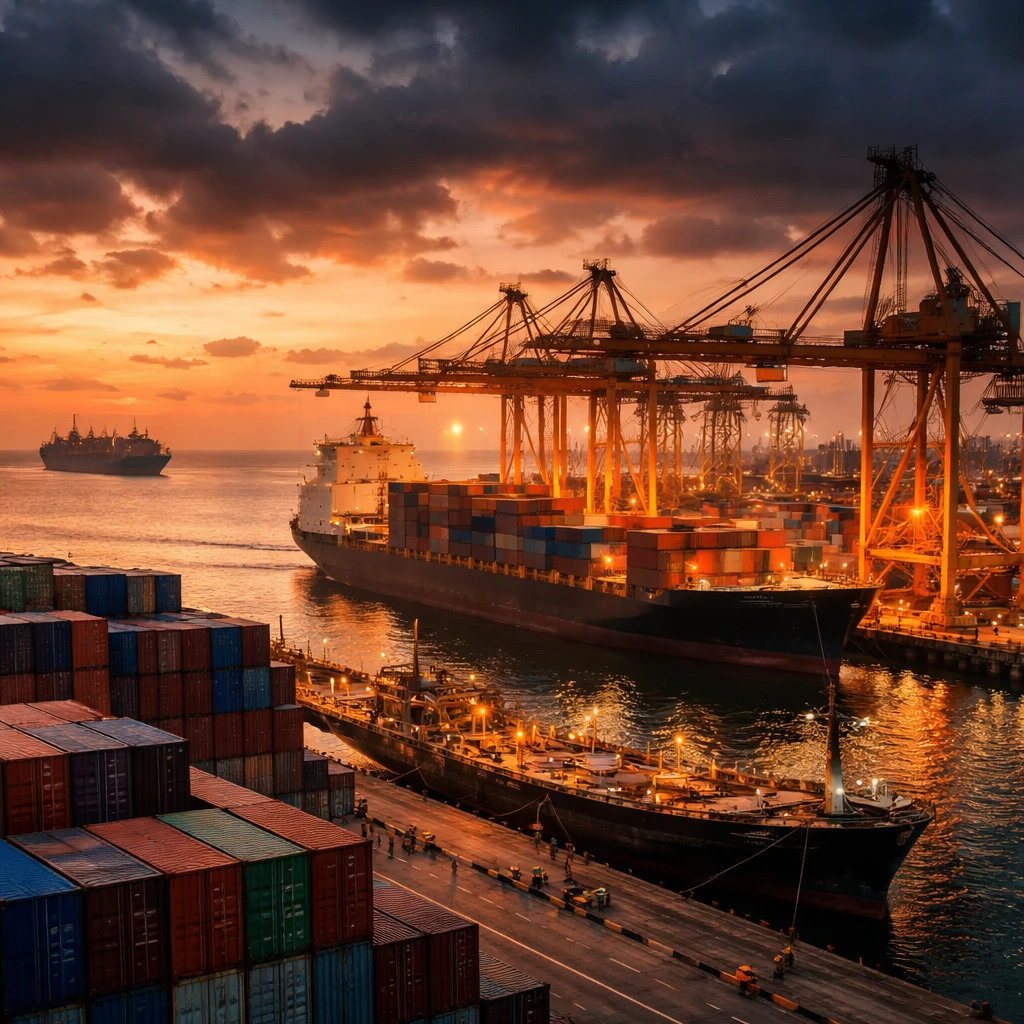
Trade data for March underlined the near-term economic impact of the conflict. Merchandise exports fell by 7.4% year-on-year, with 24 of 30 major export categories showing declines. Exports to the United Arab Emirates and Saudi Arabia dropped sharply, a deterioration the report attributes in part to a blockade of the Strait of Hormuz that has raised freight, insurance and logistics costs.
The government report also flagged potential pressures on remittances and the labour market. Remittances reached a record $135.4 billion in fiscal year 2025, but the report notes they could come under strain if a prolonged conflict undermines Gulf labour markets. Labour market indicators show some softening: the unemployment rate rose to 5.1% in March from 4.9% in February. While labour conditions are described as broadly stabilised, confidence in future job prospects has weakened, particularly in urban areas.
Summary:
The government’s monthly economic report describes an economy that remains resilient, with strong prior-year growth and an upgraded IMF forecast, but increasingly susceptible to external shocks from the West Asia war. Supply disruptions and higher commodity prices are pushing up wholesale and retail inflation, denting exports and creating downside risks for remittances, fiscal balances and future growth.
Key points:
- India recorded real GDP growth of 7.6% in the previous fiscal year, and the IMF raised its 2026-27 growth forecast to 6.5% from 6.4%.
- Energy and commodity cost pass-through is visible: crude averaged $113 per barrel in March and was just under $115 per barrel through April 24; wholesale inflation jumped to 3.88% in March from 2.13% in February; retail inflation rose to 3.4% from 3.2%.
- Trade has weakened, with merchandise exports down 7.4% year-on-year in March and 24 of 30 major export categories declining; exports to the UAE and Saudi Arabia fell sharply amid higher freight, insurance and logistics costs linked to a Strait of Hormuz blockade.
Risks and uncertainties:
- Persistent disruptions to energy and fertilizer supplies could push inflation higher and widen fiscal and external deficits - affecting energy-intensive industries and government budgets.
- A prolonged conflict that weakens Gulf labour markets could reduce remittance inflows, with possible consequences for household income and consumption patterns.
- Slower external demand and logistics bottlenecks are already reducing exports, a pressure point for manufacturing and trade-exposed sectors.