
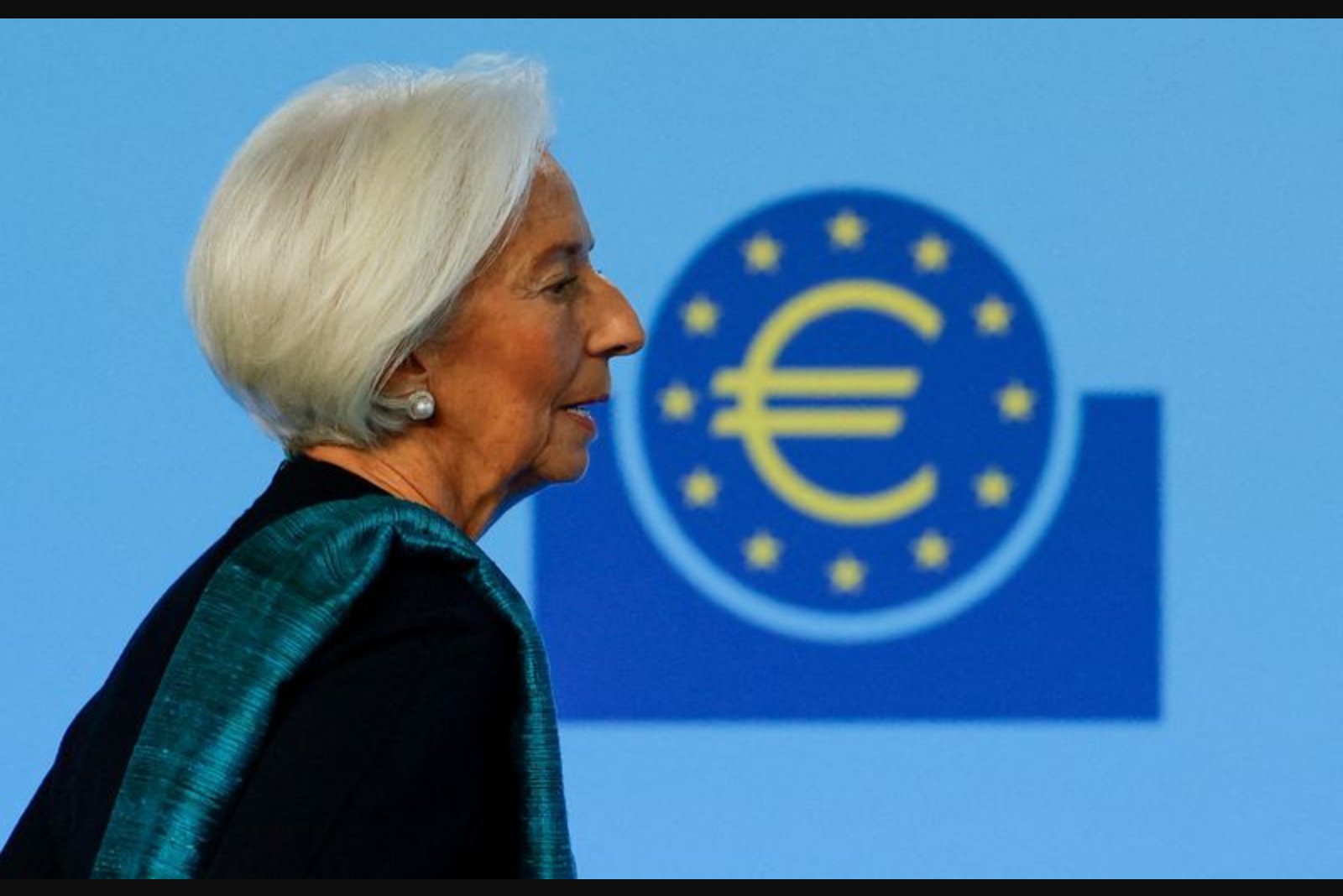
FRANKFURT, April 30 - The European Central Bank held interest rates at their current level on Thursday, meeting market expectations for no change at this policy decision. In remarks after the meeting, ECB President Christine Lagarde said the bank's concern about rising inflation had intensified and that policymakers were signalling further tightening ahead.
Lagarde said the ECB's communications were intended to reflect that officials now foresee rate increases occurring several times this year, with an initial hike expected in June. The messaging is intended to prepare markets for a path of monetary policy that responds to what the bank views as heightened inflation risks.
Speaking at the post-meeting press conference, Lagarde outlined the forces shaping the euro area outlook. She noted that "domestic demand remains the main driver of growth, supported by a resilient labour market." At the same time, she emphasised that uncertainty around the outlook has risen.
On the sources of that uncertainty, Lagarde stressed the role of conflict in the Middle East. "However, the economic outlook is highly uncertain and will depend on how long the war in the Middle East lasts and how strongly it affects energy and other commodity markets as well as global supply chains," she said.
Lagarde also recalled that the euro area had been building momentum prior to the outbreak of the current geopolitical turbulence. "The euro area economy was showing some momentum when the current turbulence started," she said, indicating that earlier improvement in activity now faces fresh risks tied to external developments.
Context and implications
The ECB's decision to pause on rates while signalling further hikes reflects a balancing act between acknowledging recent economic momentum and responding to upside inflation risks. By indicating a likely initial rate increase in June and additional moves thereafter, the bank has pointed to a tightening trajectory conditional on incoming data and the evolving external situation.
Lagarde's comments linked the outlook explicitly to the duration and economic effects of the conflict in the Middle East, highlighting exposure to energy and commodity price swings and to disruptions in global supply chains. The emphasis on domestic demand and a resilient labour market underscores the ECB's recognition of internal growth drivers even as external shocks introduce uncertainty.
Quote highlights from the press conference
- "Domestic demand remains the main driver of growth, supported by a resilient labour market."
- "However, the economic outlook is highly uncertain and will depend on how long the war in the Middle East lasts and how strongly it affects energy and other commodity markets as well as global supply chains."
- "The euro area economy was showing some momentum when the current turbulence started."