
The Federal Reserve’s most recent policy announcement produced a clear sign of internal strain: four of the 12 voting participants dissented from the decision to maintain the policy rate, the largest such minority since 1992. The split surfaced at the same time the Fed said it would keep rates unchanged, and it has intensified questions about how the central bank will speak about its future path.
"Welcome to the new Fed era of dissent," said Navy Federal Credit Union Chief Economist Heather Long after the Fed disclosed the split. Long said the war in Iran has made the Fed’s task "incredibly complex" and that officials are sharply divided on what to do next. "For now, the Fed is on hold, but good luck to new Fed Chair Kevin Warsh trying to get agreement going forward," she added.
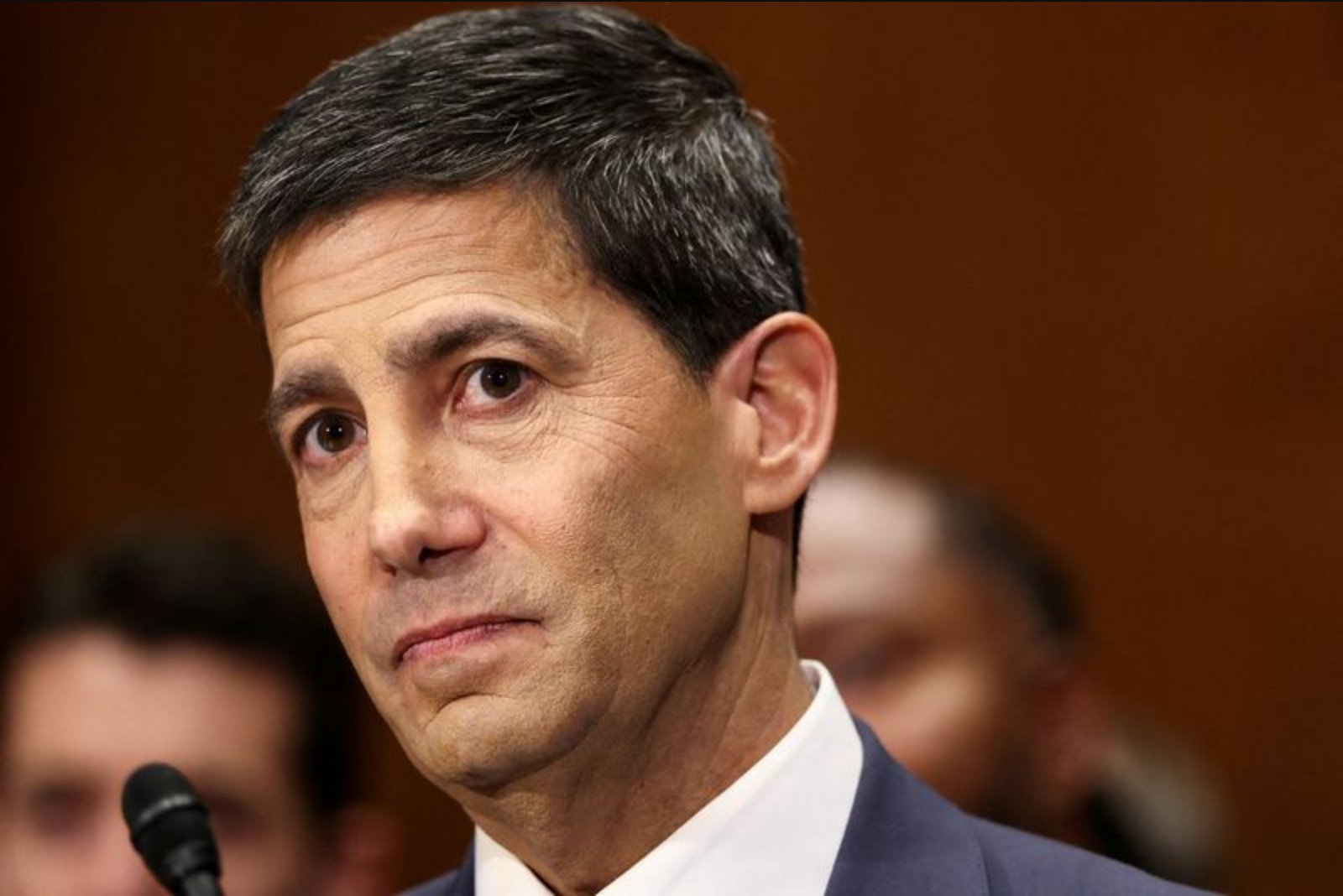
The dissension broke into public view as Kevin Warsh cleared a key Senate hurdle en route to assuming the Fed chairmanship on May 15, when Jerome Powell’s eight-year term is set to end. During his confirmation hearing, Warsh pledged what he called "regime change" at the central bank, arguing that the institution has become too entrenched in routine and could benefit from more candid internal debate.
"I tend to favor messier meetings than some, where people don’t show up with rehearsed scripts," Warsh told lawmakers. "If the central bank has that good family fight, I think that they’re going to make better decisions, and if they happen to make mistakes, they’ll correct them sooner."
At the meeting itself, Jerome Powell characterized the discussion over the Fed’s post-meeting statement as "vigorous." The debate centered on whether to adjust the statement so that it would indicate the central bank’s next move could be a rate increase as readily as a rate cut. Three Reserve Bank presidents - Beth Hammack of Cleveland, Lorie Logan of Dallas and Neel Kashkari of Minneapolis - voted in favor of signaling that a hike was a plausible next step.
Another dissenting vote came from Fed Governor Stephen Miran, who cast what has become his customary vote in favor of easier policy. Despite the minority push to alter guidance, the majority chose to leave the Fed’s forward language intact. That wording continues to suggest that any future policy adjustment would likely take the form of a rate cut.
Powell explained the decision after the meeting. "A group of us, including me, didn’t feel like we needed to be in a hurry on that," he said at a news conference. He also acknowledged the strength of the opposing view, calling it "a good argument to be having, good discussion to be having." Powell noted that the number of the Fed’s 19 voting and non-voting policymakers who favored a change had increased since March and allowed that such a shift in guidance "conceivably could come as soon as the next meeting."
The question of guidance has implications for Warsh’s incoming tenure. President Donald Trump selected Warsh after growing dissatisfied with Powell, and Trump has said he expects Warsh to deliver on rate policy; Warsh has said he made no promises. Separately, Warsh has stated his opposition to forward guidance of the sort under debate, whether that takes the form of an individual rate-path projection or a collective statement by policymakers.
"I don’t believe that I should be previewing for you what a future decision might be," Warsh told lawmakers during his hearing.
That stance illustrates a tension Warsh will inherit: modifying the Fed’s post-meeting statement is not a unilateral act by the chair. It is a product of consensus-building among policymakers, and Wednesday’s outcome showed how majority decisions can proceed despite minority objections.
Powell framed the diversity of views as natural given current conditions. Inflation is already running above the Fed’s 2% target after tariff-related price effects last year, and officials face uncertainty over how persistent the recent surge in oil prices related to the Iran conflict will be and what that will mean for spending, inflation and economic growth.
"Every new Fed chair has the same situation, which is you’ve got 18 colleagues on the FOMC, 11 of them vote during a year, and your job is to create consensus, is to talk to them, understand them, you know, be inside their thinking and be able to pull them together and get consensus and move," Powell said. "That’s what every Fed chair has to do. And I think Kevin Warsh ... he has the capabilities and skills to be very good at that."
The episode underscores an immediate operational reality for the Fed: there is a live debate about whether public guidance should tilt toward the possibility of higher rates in response to inflationary pressures, or remain oriented toward the easing the majority currently anticipates. The disagreement was visible in voting tallies and in public statements from officials on both sides of the issue, and it arrives at a moment of geopolitical and economic uncertainty.
Summary: The Federal Reserve kept its policy rate unchanged while revealing four dissenting votes among its 12 voters, the largest minority since 1992. Debate focused on whether to change post-meeting guidance to indicate that a rate hike could be as likely as a cut, spurred in part by higher oil prices tied to the Iran conflict. Kevin Warsh's approach to internal debate and his opposition to forward guidance will shape his transition to chair on May 15.
Key points:
- Four of 12 Fed voters dissented at the latest meeting, the most since 1992, signaling a notable split among officials.
- Three Reserve Bank presidents favored changing the statement to make a rate hike as plausible as a cut, reflecting concern about inflationary pressure from rising oil prices.
- Kevin Warsh cleared a Senate hurdle en route to becoming Fed chair on May 15; he has expressed opposition to forward guidance and favors more open, less scripted internal debate.
Risks and uncertainties:
- Rising oil prices connected to the war in Iran increase uncertainty for inflation and could push officials to consider tighter policy - a risk to energy-sensitive sectors and broader inflation expectations.
- Persistent divisions within the Federal Reserve on forward guidance and the near-term policy path create uncertainty for financial markets sensitive to interest-rate expectations.
- Political pressure and differing views among policymakers on how to communicate future moves may complicate consensus-building under a new chair, affecting interest-rate-sensitive sectors.