
World July 4, 2026 06:51 PM

Trump Told Putin by Phone He Would Seek a Deal to End Fighting in Ukraine, Kremlin Aide Says

Kremlin aide frames call as U.S. offer to help broker a political-diplomatic settlement ahead of NATO summit

By Jordan Park
Share
Twitter Reddit Facebook LinkedIn

On July 5, Kremlin aide Yuri Ushakov said U.S. President Donald Trump spent nearly 90 minutes on the phone with Russian President Vladimir Putin and offered American help to find a resolution to the war in Ukraine. Ushakov quoted Trump as expressing readiness to pursue a rapid end to hostilities and said U.S. envoys would continue efforts to broker a settlement. The Kremlin account described Russian advances on the battlefield and a disputed claim over control of the city of Kostiantynivka.

Trump Told Putin by Phone He Would Seek a Deal to End Fighting in Ukraine, Kremlin Aide Says
Summarize with
ChatGPT Perplexity Claude Grok Gemini

Key Points

  • President Trump spoke with Vladimir Putin for nearly 90 minutes and, according to Kremlin aide Yuri Ushakov, offered U.S. assistance to help find a solution to the Ukraine war.
  • Ushakov quoted Trump as saying envoys Steve Witkoff and Jared Kushner would continue efforts to broker a settlement and could make another visit to Moscow - a development relevant to diplomatic channels.
  • The Kremlin account described Russian forces as advancing and cited a claim that Moscow had captured Kostiantynivka, a claim denied by Ukrainian President Volodymyr Zelenskiy and Ukraine’s General Staff, illustrating conflicting battlefield narratives that affect defense and energy sectors.

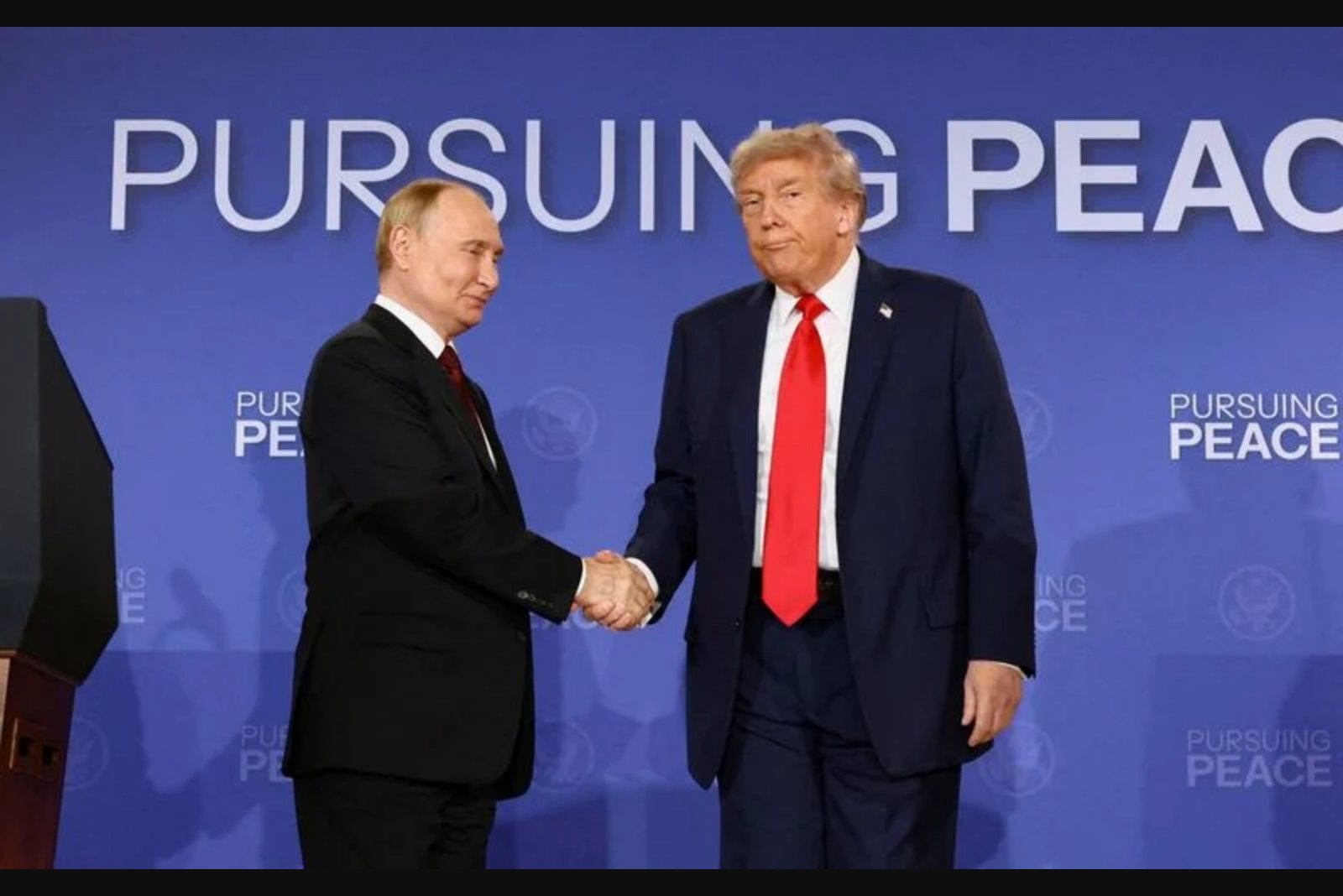
July 5 - Kremlin aide Yuri Ushakov said early on Sunday that U.S. President Donald Trump and Russian President Vladimir Putin held a phone conversation lasting nearly 90 minutes in which Trump offered to help find a solution to the war in Ukraine.

Ushakov framed the offer in the context of Mr. Trump's upcoming attendance at a NATO summit in Turkey next week, saying the American president had reiterated his readiness "to work towards a rapid end to the fighting and find solutions to overcome the crisis." According to Ushakov, the Russian position remains focused on "a political-diplomatic resolution of the conflict, with due account of Russia’s fundamental approach."

The Kremlin aide also leveled criticism at Kyiv and its European partners, accusing them of "counting on extending and even escalating the conflict, and on terrorism against civilians." Ushakov's remarks linked this accusation to Ukraine’s long-range strikes on Russian targets, which he said are mainly connected to the oil industry.

Ushakov quoted President Trump as saying that Washington’s envoys, Steve Witkoff and Jared Kushner, would continue their mediation efforts and were willing to make another trip to Moscow to advance a negotiated solution.

On the military situation, Ushakov cited President Putin as describing "the real situation on the battlefield where the Russian armed forces are confidently advancing, liberating one locality after another." The Kremlin account said Russian commanders told Putin on Friday that Moscow’s troops had seized the strategically important city of Kostiantynivka in eastern Ukraine.

That claim, however, was disputed. On Saturday, Ukrainian President Volodymyr Zelenskiy and Ukraine’s General Staff rejected the Russian assertion, stating Kyiv’s forces still held control of the city.


The exchange of competing claims over Kostiantynivka and the Kremlin's public portrayal of the call underscore the continuing fog around battlefield reports and diplomatic maneuvers. Ushakov's account highlights three threads from the call: a U.S. offer to help broker talks, Moscow's stated preference for a political-diplomatic settlement consistent with its stated approach, and sharply divergent narratives about control of contested territory.

Risks

  • Disputed battlefield reports - conflicting claims over control of Kostiantynivka create uncertainty for defense planning and regional security assessments, which can influence defense sector demand and investor perception.
  • Fragile diplomatic pathways - while an offer of mediation by U.S. envoys was reported, the outcome and timing of any negotiated settlement remain unclear, introducing political and market uncertainty, particularly in energy markets given references to strikes affecting the oil industry.
  • Escalation concerns - accusations that Kyiv and European allies are "counting on extending and even escalating the conflict, and on terrorism against civilians" point to a risk of further hostilities, which could impact defense procurement, energy supply considerations, and broader market stability.

More from World

Kim Jong Un Watches Cruise Missile Launch Aboard Destroyer Kang Kon, Orders Swift Commissioning Jul 4, 2026 U.S. Vice President Vance Says Britain Has Been Let Down by Leaders, Seeks Structural Reform from Next PM Jul 4, 2026 Masked Patriot Front Members Parade Through Washington Ahead of July 4 Events Jul 4, 2026 Joey Chestnut Retains Mustard Belt, Attributes Lower Total to Intense Heat Jul 4, 2026 Justice Department Seeks Dismissal of Charges Against Gautam Adani Citing Foreign Focus and Low Prospects Jul 4, 2026