
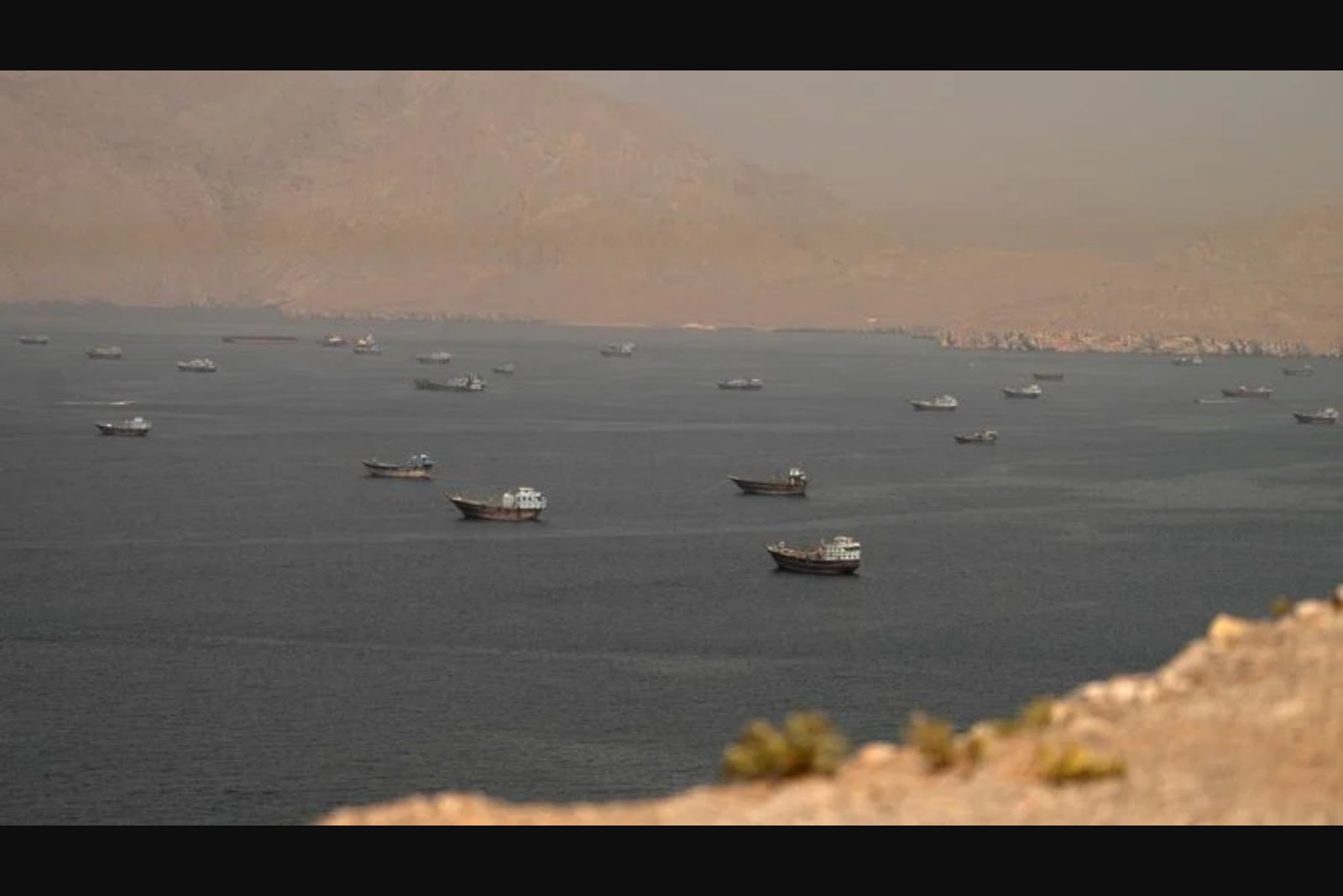
Diplomatic engagement between the United States and Iran moved into a second day on Monday as negotiators met in the Swiss mountain resort of Buergenstock, with talks continuing despite a volatile opening driven by Tehran's announcement that it had again halted traffic through the Strait of Hormuz and a series of public threats from U.S. President Donald Trump.
Vice President JD Vance convened the U.S. delegation on Sunday at the Qatari-owned resort to pursue the implementation of a memorandum of understanding agreed last week. That accord was intended to extend an uneasy ceasefire that has been in place since April for at least another 60 days and to address steps needed to keep hostilities from resuming.
Just before the formal start of the meetings on Sunday, news outlets reported comments from President Trump directed at Iranian officials, in which he said:
and reiterated an earlier warning that the United States could assume control of the waterway and potentially levy a toll. Those public statements set the tone for a tense opening to the talks and were cited in differing accounts of how the session unfolded."you won’t have a country"
Iranian and U.S. sources provided separate narratives of events in Switzerland. Iran’s semi-official Tasnim news agency, citing an informed source, reported that after the president's comments became public the Iranian delegation refused to return to the room where the talks were taking place. According to that account, direct meetings halted, though communications continued through Pakistani and Qatari mediators.
Tasnim’s source further said Iranian negotiators insisted that substantive discussions on nuclear matters should be linked to deliverables under the MOU, specifically the release of frozen assets and the issuance of U.S. waivers permitting Iranian oil exports.
U.S. diplomats at the site gave a different account of the process. A U.S. diplomat involved in the talks told news agencies that
"The Iranians never left and are still here meeting and negotiating deep into the night. We've talked about the Strait, Lebanon, nuclear issues, and details of implementing the MOU, among other topics."
U.S. officials said high-level exchanges were expected to conclude on Monday, with technical teams remaining afterward to continue detailed work on implementation. The memorandum of understanding includes commitments to reopen the Strait of Hormuz - a critical passage for global energy shipments - and to cease hostilities across the theatre of conflict, including Lebanon, where violence has persisted despite diplomatic efforts.
Iran has justified its renewed restriction of shipping through the strait by accusing the United States of not fulfilling its pledge to stop fighting in Lebanon. Over the weekend Tehran said it had again closed the waterway and also indicated that the Swiss talks would not tackle substantive aspects of its nuclear programme at this stage.
At the meetings in Switzerland, which were attended by Qatari mediators, Vice President Vance sought to downplay the immediate effect of fighting in Lebanon on negotiations, saying that some progress had been achieved toward ending hostilities there and characterizing such discussions as inevitably disorderly. He told reporters,
"These things are always a little bit messy."
Meanwhile in the United States, President Trump issued another warning aimed at Tehran and its allies, urging the country to rein in proxies in Lebanon. On social media the president wrote:
The president’s remarks came as U.S. negotiators in Switzerland said they had been asked to attempt a reset in ties with the Iranian people. A U.S. diplomat late on Sunday summarized part of the agenda as including "clarifying some of the confusing messaging from Iran on the Strait and building deconfliction mechanisms to ensure the Strait will remain fully open.""Iran must immediately stop their highly paid PROXIES in Lebanon from causing trouble. If they don’t, we’ll hit Iran very hard again, just like we did last week, only harder!!!"
Despite the announcement of a new ceasefire in Lebanon on the prior Friday, the fighting there has shown little sign of ending. Iran told reporters on Saturday that it had again closed the strait, a move that follows a period during which the waterway was shut for nearly four months and produced what has been described as the largest disruption to global energy shipments in modern history.
U.S. officials disputed the characterization that the strait was closed, but commercially available shipping data recorded an immediate and marked effect. Analytics firm Kpler reported that only five vessels passed through the strait on Sunday, down sharply from 26 vessels recorded the day before. The analytics firm’s figures may not capture ships that have switched off automated identification systems while transiting the Gulf.
Iran’s Fars news agency quoted a military source on Sunday saying that no new permits for crossings were being issued until further notice.
President Trump said he had supported the recent memorandum of understanding in order to prevent a global economic collapse driven by a spike in oil prices resulting from a prolonged closure of the strait. Oil markets reacted to the uncertain start to the peace talks, with Brent crude futures rising by more than $1 to $81.66 a barrel in early Monday trading.
On the ground in Lebanon, Sunday was reported to be the quietest day in some time, with no major violence recorded by nightfall following two days of heavy Israeli strikes and exchanges of fire with Hezbollah. The conflict has forced more than 1 million people to flee their homes since Israel launched its operations in March to pursue Hezbollah fighters who had fired across the border in support of Tehran.
Reuters journalists in southern Lebanon observed some of the heaviest traffic since the memorandum was signed, with residents returning to towns and villages. On the roadside, some people stood beside cars stalled in long queues, waving Hezbollah flags as they re-entered their communities.
High-level talks in Switzerland were intended to solidify an extension of the ceasefire and to address operational details that would reduce the risk of renewed hostilities and economic fallout from disruptions to the Strait of Hormuz. As the negotiations pressed into a second day, competing narratives about the tone and continuity of discussions underlined the fragility of the process and the remaining hurdles to full implementation of the MOU.