
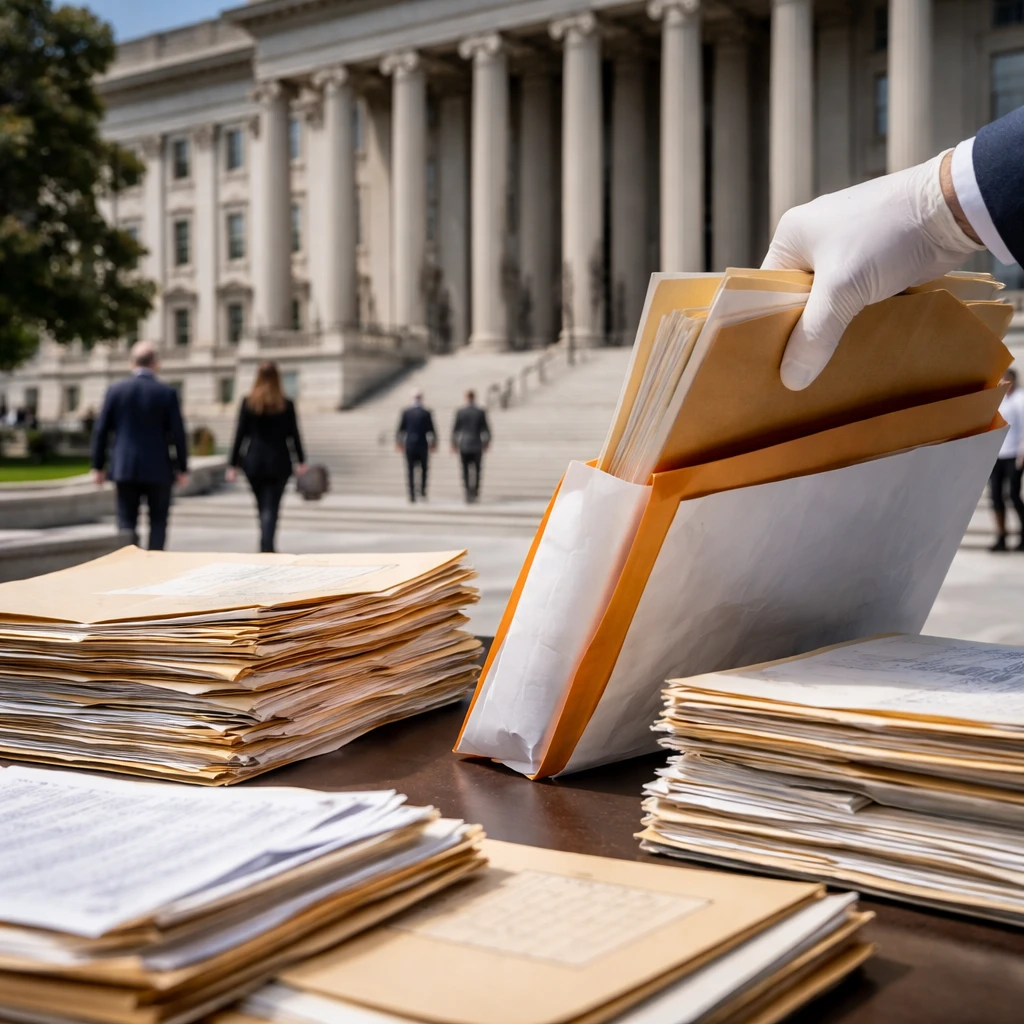
U.S. customs authorities reported in a filing to the U.S. Court of International Trade that approximately $100 billion in duties, plus interest, collected under tariffs later overturned by the U.S. Supreme Court have been processed for refund and sent to the U.S. Department of the Treasury for disbursement.
The filing, which noted the amount as of the end of July, said refunds were completed using the Consolidated Administration and Processing of Entries Refund component and were certified by the agency before being forwarded to the Treasury. The total refunded sum represents more than half of the $166 billion collected in tariffs that the Supreme Court invalidated in February.
The Supreme Court ruled on February 20 that the International Emergency Economic Powers Act, or IEEPA, does not grant the president unilateral authority to impose tariffs on imported goods from trading partners. That decision struck down a wide swath of tariffs previously central to the administration's trade policy.
In response to the court ruling, the administration implemented additional measures that include new temporary 10% tariffs under an alternate legal authority and a separate round of global tariffs using Section 301 of the Trade Act of 1974. Those steps were described in the filing and related reporting as part of a continued effort by the administration to pursue trade objectives through different statutory channels.
The refunds have drawn criticism from some elected officials and analysts who have argued the repayments are being made to corporate importers rather than being passed through to households. "Trump is sending the 'refunds' to the companies, not working people. Every single cent of these refunds should go back to American consumers," Democratic Congressman Greg Casar said this week.
Practical details in the filing indicate the refund process has reached a substantial portion of the amount at issue, but it does not provide specific timing for when funds will be received by payees or how quickly the Treasury will disburse the certified refunds. The filing is the latest procedural update in an ongoing legal and policy dispute over the scope of executive tariff authority and the downstream effects of those duties on businesses and consumers.
The filing underscores the dual nature of the issue: a large-scale administrative effort to return duties collected under a struck-down program, paired with simultaneous policy steps intended to maintain tariff leverage under different statutory frameworks.
Officials did not provide additional detail in the filing about the breakdown of recipients or the schedule for distribution beyond certifying the refunded amounts and forwarding them to Treasury for disbursement.