
Bunia, Democratic Republic of Congo, June 10 - After her mother died in late May, a newborn identified as Buswaza was brought to a church-operated orphanage in eastern Congo. Staff at the facility found the infant running a fever shortly after arrival and within days the baby had died. Tests later confirmed the cause was Ebola.
The death prompted health workers to screen other children at the orphanage, which houses 69 youngsters. Carers and medics identified six additional infants as suspected Ebola cases and transferred them to the Evangelical Medical Centre (CME) for isolation and testing.
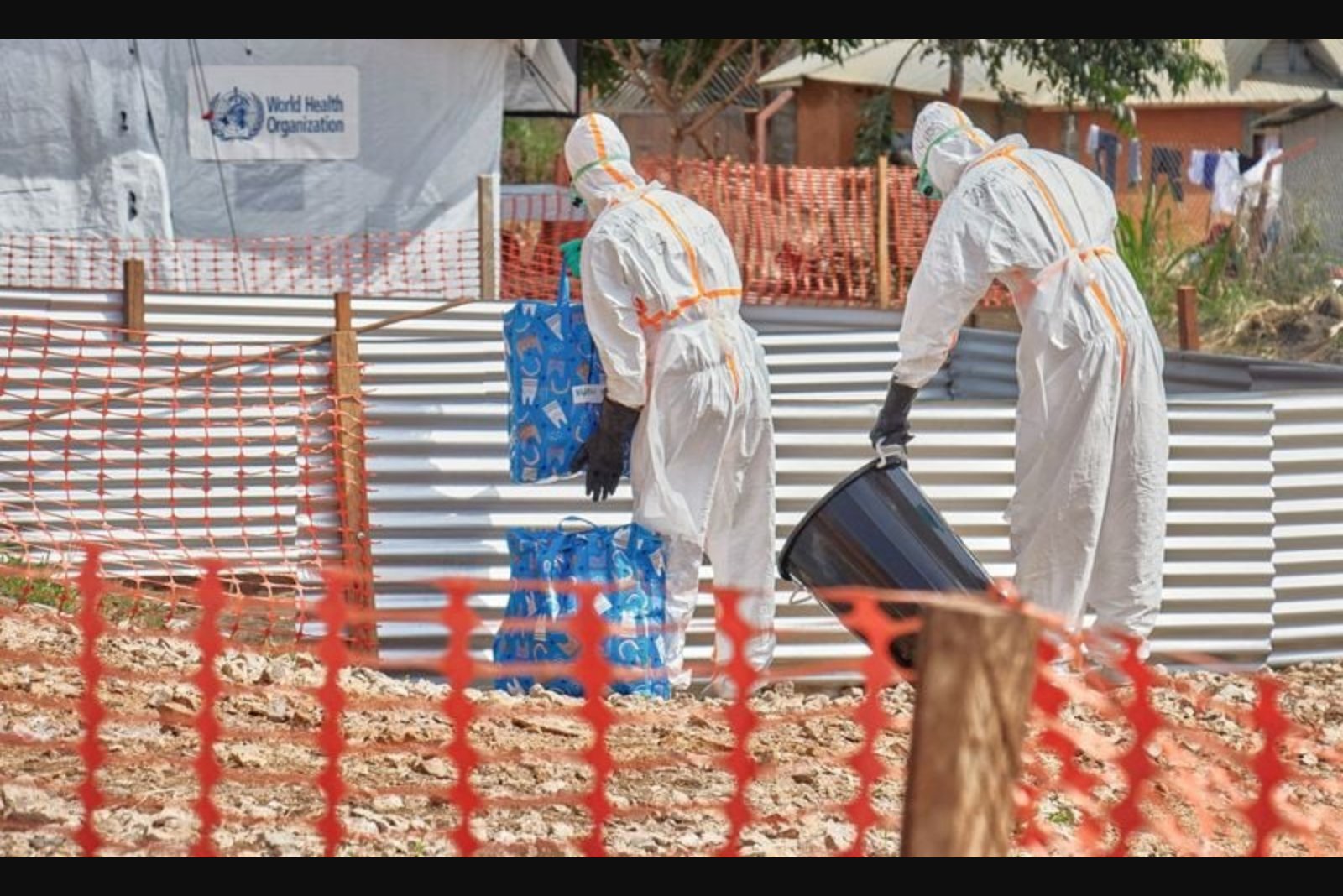
According to hospital staff, five of those infants tested negative and were released from an isolation tent at the CME on Tuesday. Medics in full protective gear handed the cleared children back to the orphanage staff, who received them with relief.
"We thank the hospital staff, we are very grateful," said Sister Clarisse as she held a baby swaddled in a pink hooded gown.
One infant remains hospitalized with a confirmed Ebola infection. The child, a girl and an orphaned triplet nicknamed "Cherie" or "darling," is under paediatric care and is less than a year old. Dr. Freddy Kibwana, head of the CME, reported on Wednesday that her condition had worsened in recent hours and that the intensive care and paediatric teams were assessing her.
Medical staff also reported that a nun from the orphanage tested positive for Ebola and has been admitted to the facility. Clinicians said she appeared to exhibit few symptoms at the time of reporting.
Health workers stress that young children and infants can readily transmit Ebola through bodily fluids such as vomit, faeces and saliva, which are highly infectious during the course of the disease. Aid workers and medics confirmed that, in addition to the hospitalised baby, three carers who had attended to the deceased newborn - including a nun - have tested positive for Ebola.
The orphanage, long associated with a community of Belgian nuns dating to the colonial era, has been shaken by the episode. The sisters said they were praying for the afflicted children and staff while coping with strong emotions. One sister, who requested anonymity to avoid stigma related to Ebola, said the toll on the caregivers had been profound: "We are nuns but we are also humans and it has been very emotional."
Buswaza, who lived fewer than two weeks, is among the youngest confirmed victims in the current epidemic. The outbreak has so far infected nearly 600 people and claimed at least 115 lives across the country.
Experts note several biological pathways by which an infant like Buswaza might have been infected. The World Health Organization has found Ebola virus in amniotic fluid and the placenta, meaning transmission from mother to child could occur in utero or during childbirth. If a mother became infected after delivery, transmission through breastmilk is also a possibility, as the virus has been detected there as well.
Children are accounting for a notable share of confirmed infections in this outbreak. Preliminary data cited by UNICEF indicate that children represent roughly 17 percent of confirmed cases to date. The U.S. Centers for Disease Control and Prevention has warned that the current outbreak could surpass the 2014-2016 West Africa epidemic, though the total trajectory remains uncertain. It is not yet known how many children have died in the present outbreak.
The World Health Organization cautions that while children make up a smaller portion of cases than some other age groups, they may face higher risks of severe disease and death. At the same time, WHO notes that limited data exist on this rare strain of the virus, known as Bundibugyo, and its specific effects on paediatric patients.
Humanitarian agencies point to pre-existing health challenges that could worsen outcomes for infected children in the region. UNICEF officials highlighted concerns that high rates of malnutrition and inconsistent vaccination coverage could reduce survivors' chances. A 2023 survey in Ituri province reported a chronic global malnutrition rate of 52.1 percent among children under five.
Many of the children in the Bunia orphanage are themselves survivors of armed conflict across eastern Congo. UNICEF’s Douglas Noble, who leads on health emergencies and recently visited Bunia, cautioned that in such a fragile context, infected children could deteriorate rapidly.
Following Buswaza’s death in late May, the infant was buried in a sealed, waterproof body bag intended to prevent further spread of the virus. The International Federation of Red Cross and Red Crescent Societies indicated it maintains stocks of child-sized body bags to ensure safe and dignified burials for children where needed.
Health teams are making daily visits to the orphanage to monitor the remaining children and staff. Aid groups emphasise the wider humanitarian dimension of the outbreak in the area. "This epidemic has hit an area already in humanitarian crisis," said Babou Rukengeza, a senior health adviser with Save the Children. "This place is the only refuge for these children."
Contextual note: Reporting emphasises the immediate human and public health consequences at a single orphanage amid a broader outbreak. Available data on child outcomes with the Bundibugyo strain remain limited, and agencies on the ground are monitoring children and responding with infection control and humanitarian care.