
Overview
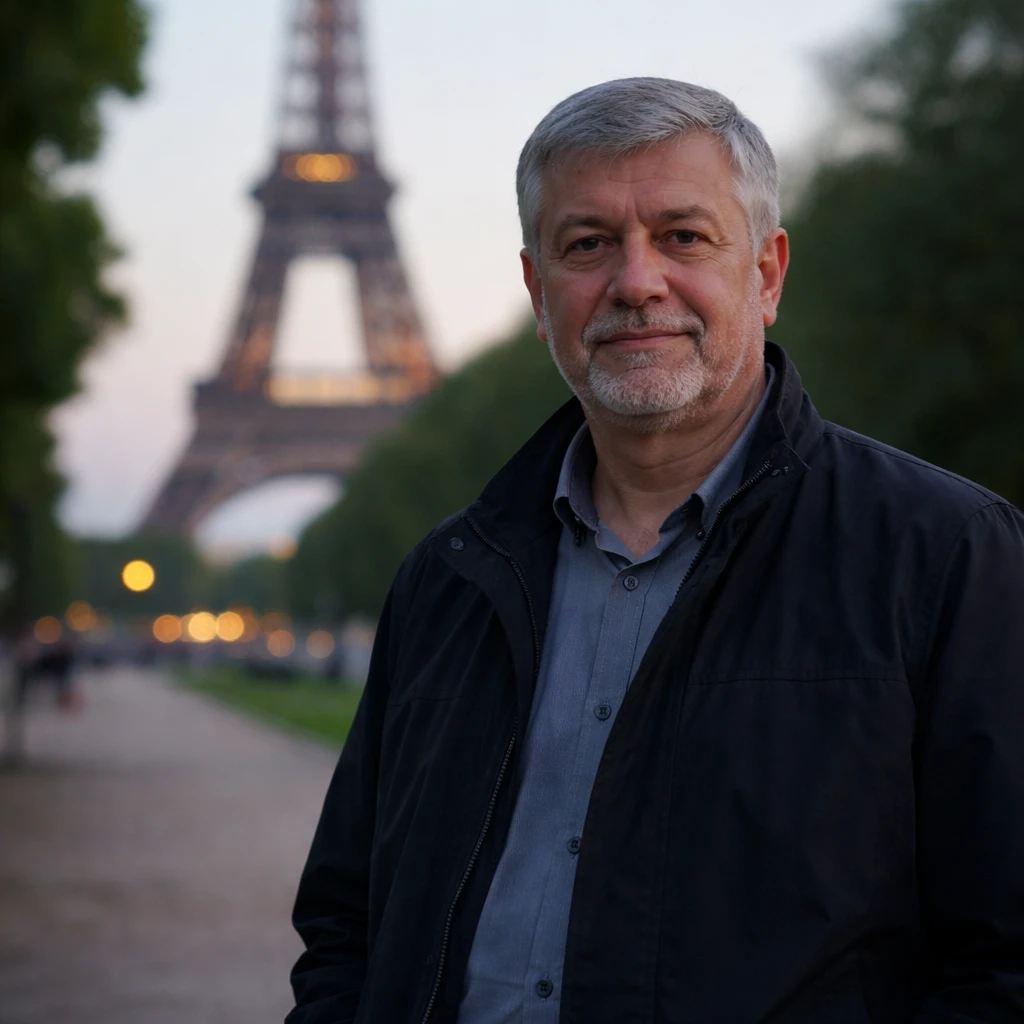
Boris Nadezhdin, a long-standing critic of Moscow's military campaign in Ukraine, said on Monday that he had left Russia for the time being. In a brief video posted on his Telegram channel while standing in front of the Eiffel Tower in Paris, the 63-year-old former liberal lawmaker declared: "Hi everyone! I have some good news. I’m alive and free. Unfortunately, I’m not in Russia at the moment."
He continued in the clip that he needed time to "get my bearings and figure out what to do next" and that he would write about his plans later. The statement came weeks after Russian authorities took a series of actions that effectively ended his chances of participating in upcoming national elections.
Background and recent developments
Nadezhdin had sought to maintain a public presence inside Russia despite his opposition to the government and its war in Ukraine. On July 10, the Justice Ministry added him to its list of individuals designated as "foreign agents" - a label applied by the authorities to those they say are engaged in anti-Russian activity with alleged foreign backing. The designation effectively curtailed his ability to run in the parliamentary vote scheduled for September.
The week after being placed on the list, he was questioned by police and later fined in court in a case tied to social media activity. Authorities said he had displayed "extremist symbols" online; Nadezhdin described that charge as "ridiculous" and at the time said officials were "silencing me, forcing me out of politics and making my life extremely difficult."
Earlier, he had also tried to seek the presidency in 2024, a bid that the Election Commission rejected on technical grounds. His departure now deprives domestic politics of one more prominent figure willing to challenge President Vladimir Putin from within Russia, at a time when most outspoken critics are either imprisoned or in exile.
Wider context cited by authorities
The reporting on his exit noted that Russian leaders and pro-Kremlin politicians have argued that some censorship is necessary to preserve national unity amid what they describe as an existential struggle with Ukraine and the West. Officials have also accused Western actors of attempting to destabilise Russia - assertions that have been used to justify tighter controls on dissent since the conflict began in 2022.
What Nadezhdin said in Paris
Standing in front of the Eiffel Tower, Nadezhdin's short video message emphasised his personal safety and freedom, while offering few specifics about his future course. He said he would provide more details on his plans at a later time.
His departure follows a sequence of administrative and legal steps that curtailed his political activity, culminating in his decision to be outside Russia for now.