
World July 24, 2026 02:56 PM

Alex Saab Enters Not Guilty Plea in Miami on U.S. Money Laundering Charges

Colombian businessman and former ally of Venezuela's Nicolas Maduro denies accusations after deportation; case tied to alleged diversion of funds from food assistance program

By Ajmal Hussain
Share
Twitter Reddit Facebook LinkedIn

Alex Saab, a Colombian businessman once close to Venezuela's ousted leader Nicolas Maduro, pleaded not guilty to U.S. money laundering charges at a hearing in Miami. Saab's legal team entered the plea on his behalf. Venezuelan authorities deported him in May to face the accusations, which include alleged theft from a welfare program intended to buy food for Venezuelans and transfers of proceeds to U.S. bank accounts. Saab has previously faced U.S. criminal charges and was detained in Cape Verde in 2020; he was later granted clemency in 2023 by then-President Joe Biden in exchange for the release of Americans detained in Venezuela.

Alex Saab Enters Not Guilty Plea in Miami on U.S. Money Laundering Charges
Summarize with
ChatGPT Perplexity Claude Grok Gemini

Key Points

  • Saab pleaded not guilty to U.S. money laundering charges at a Miami federal court hearing; his lawyers entered the plea on his behalf.
  • U.S. prosecutors allege Saab stole millions from a welfare program intended to buy food for Venezuelans and transferred some of the funds to U.S. bank accounts.
  • Saab was deported from Venezuela in May after U.S. Special Forces captured Maduro in Caracas in January; he has faced prior U.S. criminal charges and was detained in Cape Verde in 2020.

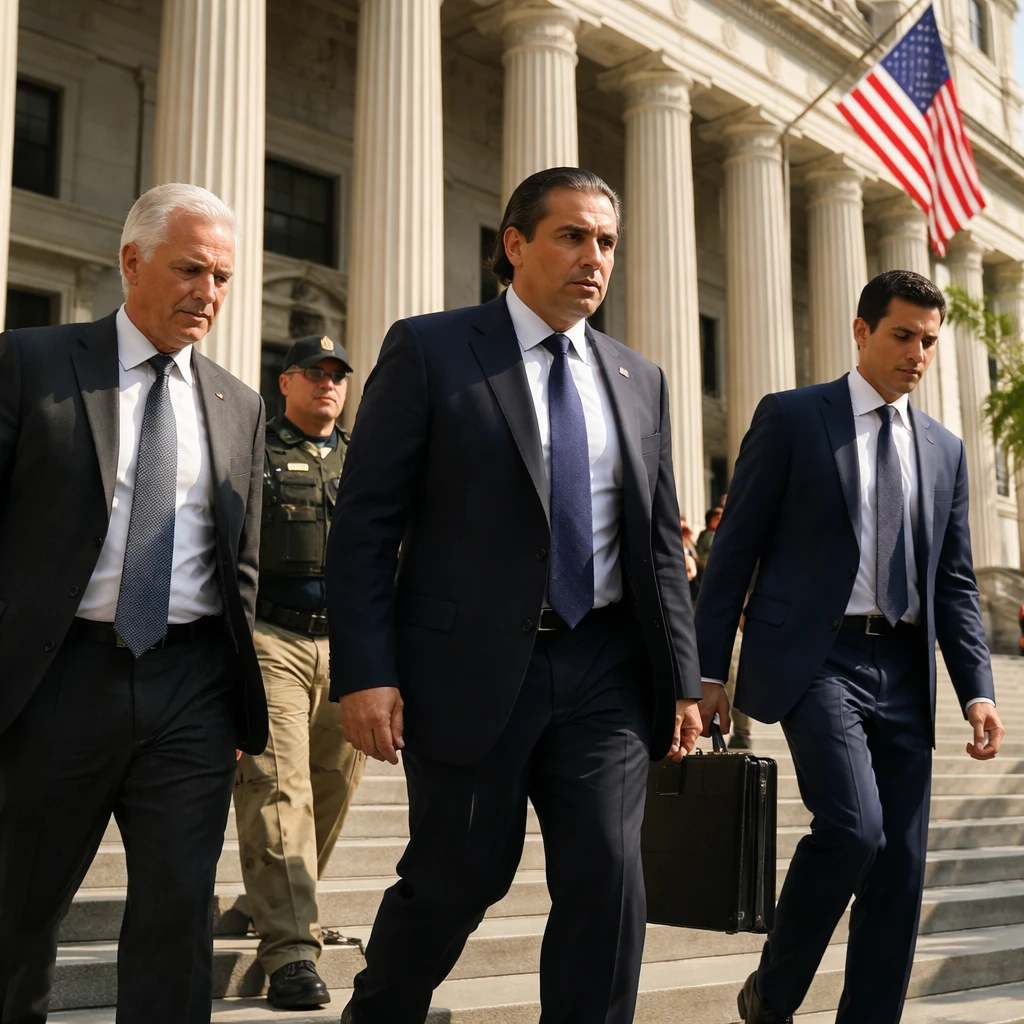
Alex Saab, a Colombian businessman who was once a prominent associate of Venezuela's ousted president Nicolas Maduro, pleaded not guilty on Friday to charges of money laundering in U.S. federal court in Miami.

At the hearing, Saab's attorneys entered the not guilty plea on his behalf, according to defense lawyer Joseph Schuster. The plea was entered in Miami federal court, where prosecutors allege financial misconduct tied to a Venezuelan welfare program.

U.S. prosecutors in Miami accuse Saab of diverting millions of dollars from a welfare plan that was intended to purchase food for Venezuelans, and of transferring portions of those funds into bank accounts in the United States. The Miami U.S. Attorney's Office is pursuing the money laundering case against him.

Saab's return to U.S. jurisdiction followed his deportation from Venezuela in May. Venezuelan officials, including Delcy Rodriguez - who served as Maduro's vice president and is now running the country - said the deportation was "justified by national interests." The deportation occurred after U.S. Special Forces captured Maduro in Caracas in January, according to the timeline associated with Saab's transfer.

Saab has previously faced U.S. criminal proceedings. He was detained in Cape Verde in 2020 and subsequently taken to the United States to face charges. Later, in 2023, then-President Joe Biden granted Saab clemency in an arrangement tied to the release of Americans detained in Venezuela.

Maduro himself has pleaded not guilty to separate drug trafficking charges and is scheduled to stand trial beginning June 1, 2027. Saab served previously as Venezuela's minister of industry, a post noted in public records.

The case in Miami underscores multiple legal and diplomatic threads: alleged misuse of funds intended for social assistance, questions over international transfers to U.S. bank accounts, and the political context surrounding deportation decisions and prior detentions.


Legal next steps

Saab's not guilty plea sets the stage for pretrial proceedings in the Miami federal court. Specific dates and further procedural developments were not provided at the hearing beyond the entry of the plea and the details already summarized.

Risks

  • Legal uncertainty over the outcome of the U.S. money laundering case - impacts legal and political risk assessments for entities linked to Venezuelan contracts and assistance programs.
  • Potential reputational and financial implications for beneficiaries of Venezuelan welfare programs and for banks handling transfers that are the subject of the investigation - impacts the banking and humanitarian aid sectors.
  • Ongoing diplomatic and political tensions related to deportation and prior detentions could influence bilateral relations and the operational environment for businesses and aid organizations connected to Venezuela.

More from World

Brazil outlaws production and sale of foie gras, citing animal cruelty Jul 24, 2026 Former Volkswagen Engineers Arrested in Insider Trading Case Tied to Rivian Joint Venture Jul 24, 2026 Karim Khan Ousted: The Prosecutor at the Heart of the ICC’s Recent Turmoil Jul 24, 2026 Canada Opens Gordie Howe Bridge Without U.S. Officials Amid Tariff Dispute Jul 24, 2026 IOC Says Ethics Panel Has No Jurisdiction Over FairSquare Complaint Targeting Infantino Jul 24, 2026