
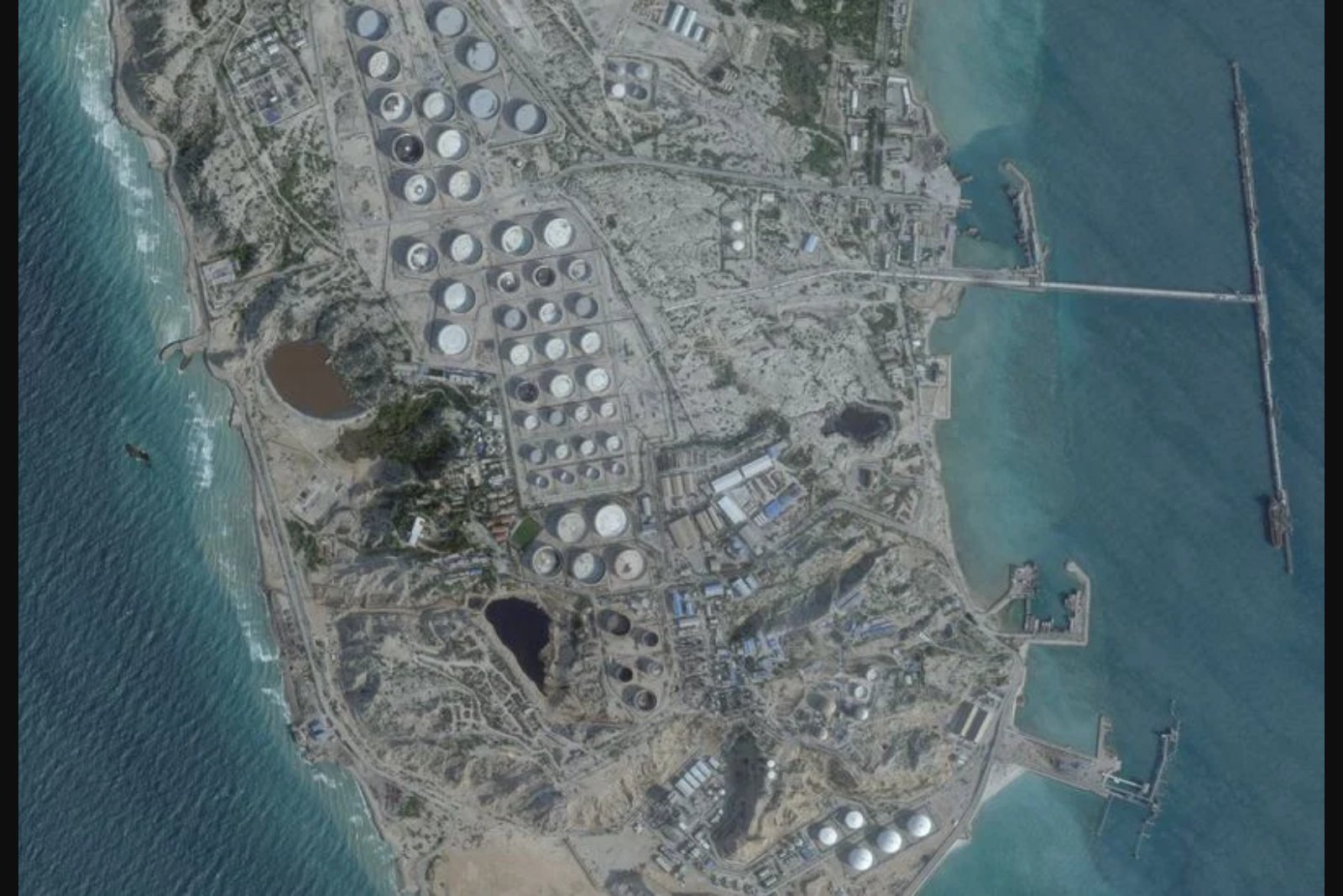
U.S. Central Command announced on Saturday that American forces struck three Iranian oil tankers, one of which was targeted off the coast of Kharg Island, Iran’s principal oil export anchorage. The command said the strikes followed ballistic missile launches by Iran’s Islamic Revolutionary Guard Corps (IRGC) directed at two U.S. Navy ships.
In a statement, Admiral Brad Cooper, head of U.S. Central Command, framed the strikes as a direct response to the IRGC attack. "Let the message to the IRGC be clear: If you shoot at two of our ships, we will impose an even higher economic cost - taking out three of yours," he said.
Earlier reporting by Tasnim, a semi-official Iranian news agency, said four U.S. missiles struck a tanker in the Kharg anchorage area. Tasnim quoted local sources who stated there were no casualties and that the tanker’s crew were being evacuated.
Central Command confirmed that no American personnel were harmed in the exchanges. At the time of the announcement there had been no immediate official statement from Iranian authorities.
The strikes are the latest episode in a week of escalating military actions that observers say could deepen a conflict that has been active since U.S. strikes on Iran in February. The ongoing hostilities have already disrupted global energy supplies and drawn opposition from a majority of Americans ahead of congressional elections in November, according to reporting on public reaction.
Kharg Island, where one of the tankers was struck and which was referenced in other public statements, is central to Iran’s oil export infrastructure. Before the war, Iran exported roughly 90% of its crude via Kharg, although those flows have been further constrained since the U.S. naval blockade of Iranian oil exports began in mid-April.
Political remarks preceding these events have raised tensions. On August 31, U.S. President Donald Trump posted a one-line social media message accompanied by an AI-generated video saying Kharg Island was being "blown to smithereens." Iranian authorities had vowed a strong response if Kharg were attacked. Earlier, on June 11, President Trump said he wanted to take over Kharg Island, but a planned U.S. military operation there was later described by him as being off the table for the time being, days before Tehran and Washington signed an interim agreement aimed at ending the war on June 17.
Analysts note that a U.S. attack on Kharg would add pressure to Iran’s oil production and its broader economy, which Washington’s blockade has already strained. The U.S. imposed the naval blockade after Iran effectively shut the Strait of Hormuz, a key waterway that carried one-fifth of the world’s oil supply before the conflict began.
Market reaction to the heightened tensions was visible in oil pricing. Brent crude futures closed on Friday at $96.28 a barrel, their highest settlement since July 24, with traders citing Middle East tensions and concerns about global supply as influences on the price.
This exchange of strikes and counterstrikes adds to an already volatile security and market environment, with strategic oil infrastructure and shipping routes at the center of the confrontation.