
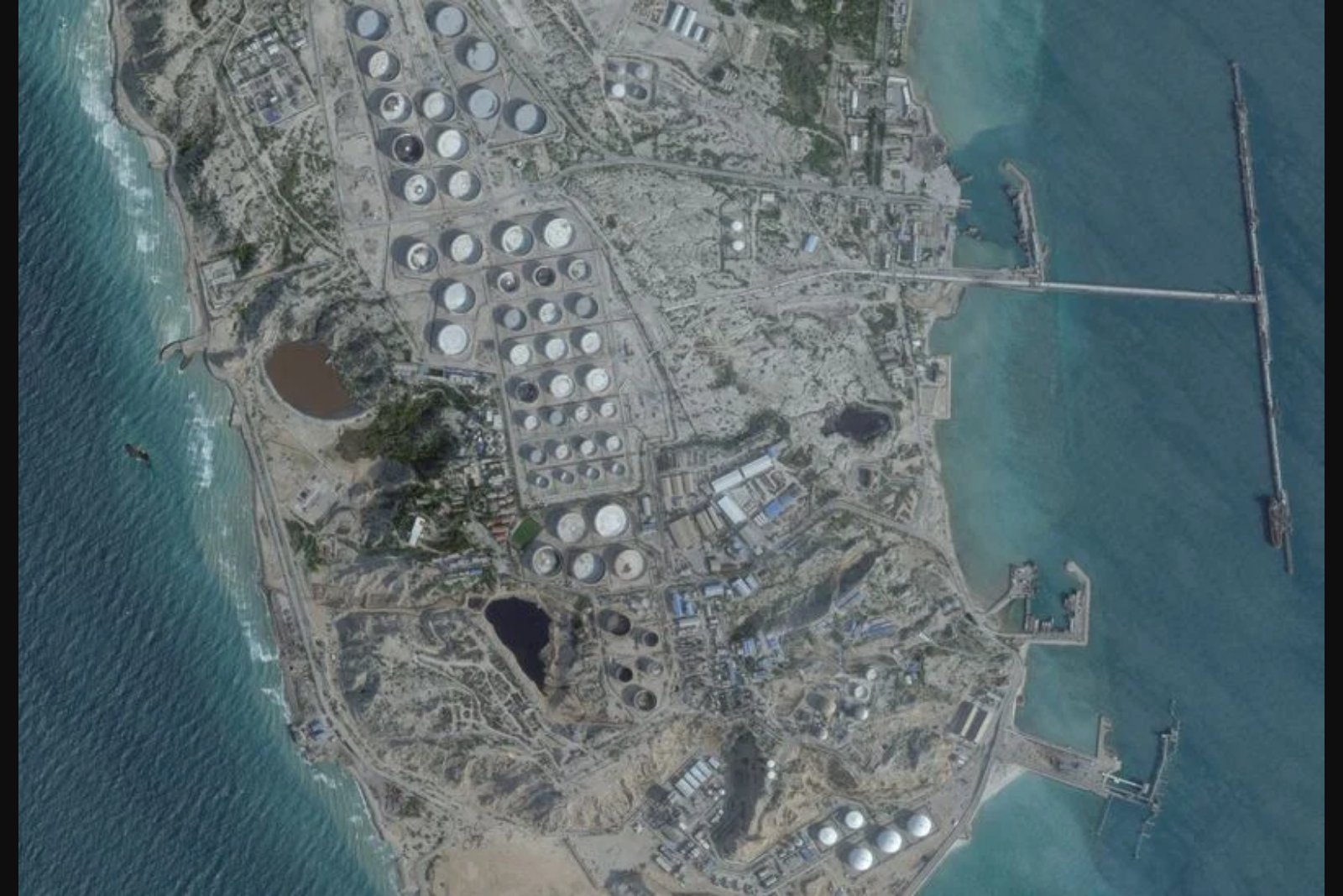
An interim deal that would include a waiver permitting certain sanctioned oil sales does not remove the dense set of international measures that continue to shape Iran's external economic activity and trade. Sanctions, embargoes and asset freezes applied by the United Nations, the United States, the European Union and other states have been used for decades in response to concerns about Iran's nuclear programme, its human rights record and its support for armed groups in the region.
Iran is seeking additional sanctions relief as negotiations on its nuclear programme proceed under the next phase of the interim agreement. Yet, even with limited concessions on oil, the nation remains subject to a variety of restrictions - from broad trade prohibitions to precise designations applied to specific persons, companies and sectors.
United Nations measures
U.N. sanctions have been focused on Iran's nuclear activities and on assessed breaches of its responsibilities under the nuclear Non-Proliferation Treaty. The U.N. Security Council adopted resolutions in 2006, 2007, 2008 and 2010 that imposed measures including an arms embargo, prohibitions on the transfer of certain nuclear-related materials and technologies, and freezes on assets tied to some named companies and individuals.
Those Security Council resolutions also barred Iran from activities to develop ballistic missiles capable of delivering nuclear warheads. The measures enacted under those resolutions froze funds and assets linked to the Islamic Revolutionary Guard Corps and Iran's state shipping company, but they did not prohibit the export of Iranian oil.
Following the Joint Comprehensive Plan of Action agreed in 2015, the Security Council planned a phasing out of these U.N. measures. That course changed after the United States withdrew from the JCPOA in 2018 and Iran reduced its compliance with aspects of the deal. U.N. sanctions were reimposed through a so-called "snapback" mechanism last year.
U.S. sanctions and authorities
Washington's use of sanctions stretches back to 1979, when revolutionary students seized the U.S. embassy in Tehran and held American diplomats hostage. Since then, successive waves of U.S. measures have been applied in response to Iran's nuclear activities and its support for organisations the United States designates as terrorist groups.
A central complication in U.S. policy is the designation of the Islamic Revolutionary Guard Corps as a terrorist organisation. The IRGC is described in U.S. statements as the country's most powerful institution and is closely intertwined with Iran's economy; that designation therefore touches many economic relationships.
U.S. sanctions are administered by the Treasury Department but derive from a variety of legal authorities and mechanisms, which means there is no simple or single action that can switch all of them off. Some authority to impose sanctions comes from two laws passed in the 1970s that grant emergency presidential powers that must be renewed annually. Additional statutory authorities date from 1996 and 2017 and were drafted with Iran and other targeted countries in mind.
Sanctions implemented through presidential executive orders can be rescinded by a later president. These measures include freezes on billions of dollars of Iranian assets, an arms embargo, broad prohibitions on trade with or investment in Iran and a ban on purchasing Iranian oil. By contrast, sanctions enacted by Congress are more difficult to remove because many of them do not include waivers or exceptions tied to Iran's behaviour on human rights or support for groups Washington deems terrorist organisations.
Beyond the broad frameworks, numerous companies, individuals and government bodies have been singled out for designation, and delisting all of those entities would likely require time-consuming legal or administrative steps.
European Union restrictions
The European Union introduced broad measures against Iran in 2012, including embargoes on Iranian oil exports, asset freezes affecting the Central Bank of Iran and bans on trade in precious metals and petrochemicals. The EU also imposed restrictions affecting foreign trade, financial services and parts of the energy and technology sectors.
Under EU directives in 2012, some Iranian banks were disconnected from the SWIFT cross-border payments system, which effectively severed significant portions of Iran's financial links with other countries. While certain EU sanctions were lifted under the 2015 nuclear accord, many of those measures were later reinstated. More recent EU steps have targeted specific individuals and components used in missiles and drones.
The European Union has also applied designations to the IRGC and enacted additional measures this year in response to Iran's obstruction of transit through the Strait of Hormuz.
Frozen funds and where they sit
Iran holds tens of billions of dollars in foreign bank accounts, largely proceeds from oil and gas exports, that are currently inaccessible because of banking and oil-sector restrictions. The article identifies a set of countries where Iran has had billions sitting in banks but unable to be withdrawn or used because of sanctions. Those countries include South Korea, China, Japan, Luxembourg and Iraq.
Even if a waiver on sanctioned oil sales is implemented under the interim deal, the country would still face layered restrictions across multilateral and unilateral regimes. Many measures are embedded in laws and international resolutions that, in practice, can be difficult and time-consuming to reverse.
Implications for negotiations
Iran is seeking expanded relief through the next phase of talks on its nuclear programme. The interim waiver on oil sales would be a narrow concession within a larger and more complex sanctions architecture. How quickly additional measures could be modified or removed depends on the distinct legal authorities and political decisions that underpin each set of sanctions.