
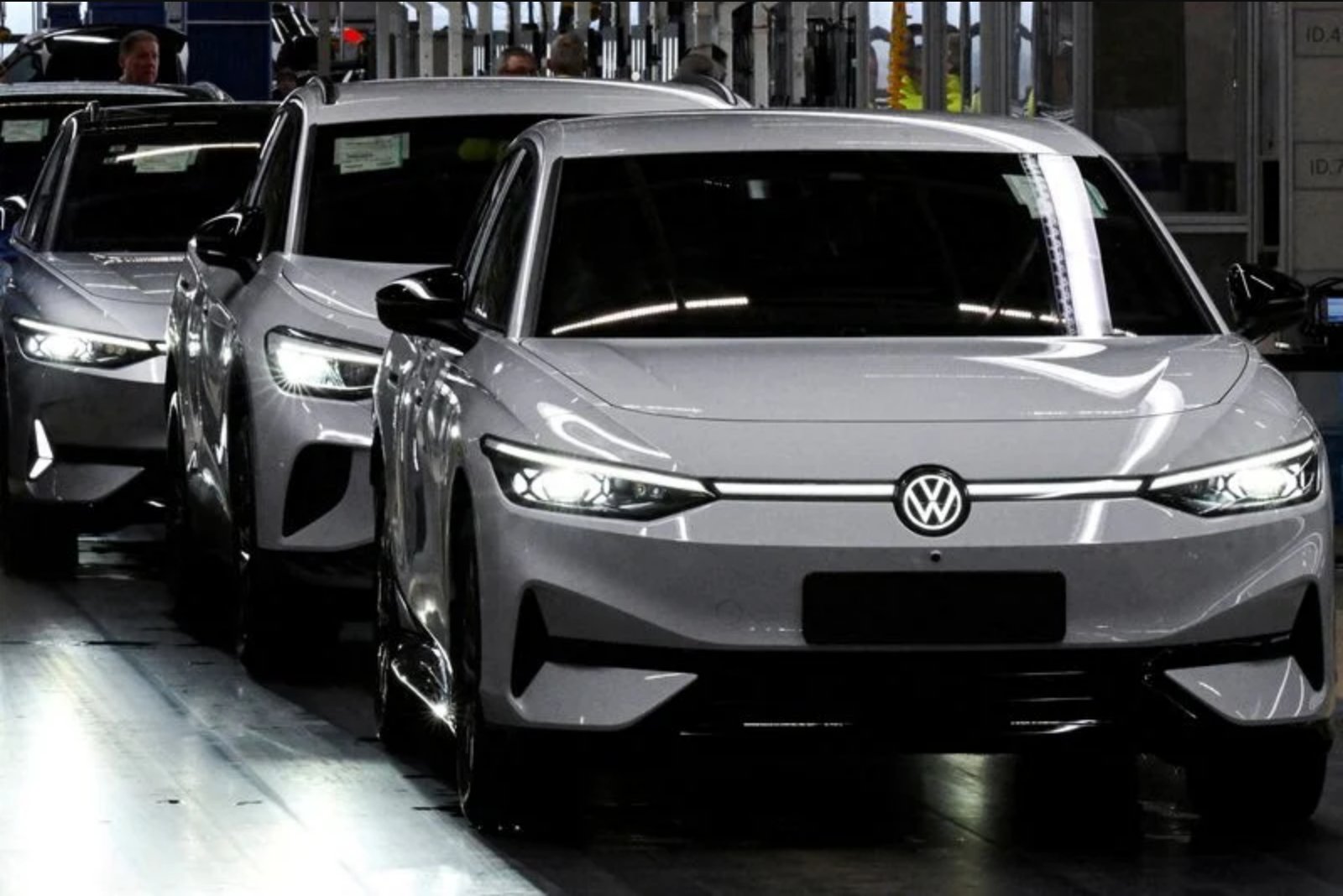
Volkswagen is entering a pivotal period as CEO Oliver Blume outlines plans for a significant corporate overhaul intended to realign the company with profound shifts in the global automotive market. Executives say the move responds to multiple forces that have disrupted Volkswagen’s historical earnings model - most notably stronger Chinese competitors, tariffs, and soft sales across Europe.
The strain on the automaker has drawn sharper attention to its internal set-up. Volkswagen’s mix of governance features is unusual among global carmakers, combining influential unions with the concentrated voting power of the Porsche and Piech families. Those families control the majority of voting rights while not holding most of the company’s equity. Observers point to the firm’s intricate network of divisions, joint ventures and minority stakes as elements that make the 89-year-old group resemble a traditional conglomerate. With more than 657,000 employees worldwide, critics say that complexity can weigh on how the market values the company.
China has emerged as the clearest indicator of Volkswagen’s troubles. Once a cornerstone of profit generation for European automakers, the Chinese market now poses acute challenges. Over the past decade profits in China have fallen by more than 80 percent, shifting the company’s strategic emphasis back toward Europe and the United States. In the US, tariffs have imposed multi-billion-euro costs on Volkswagen’s business. Concurrently, domestic Chinese manufacturers that have advanced technologically and adopted aggressive pricing strategies have eroded Volkswagen’s long-standing leadership there, dropping the company from the top spot to third in that market.
Porsche, which was taken public in a landmark initial public offering four years ago, illustrates the severity of the margin squeeze. Its reported operating margins plunged to 1.1 percent last year, down from 18 percent in the year of its listing. Across the group, profit margins were halved between 2021 and 2025. That deterioration reflects a combination of tougher competition, rising labour and energy expenses, weaker-than-expected demand in Europe and the impact of growing trade barriers.
Despite remaining the world’s second-largest automaker by vehicle volumes after Toyota, Volkswagen is now among the weakest performers in the mass-market segment on profitability measures. The fallout in investor confidence is visible in the stock market: Volkswagen shares are trading at levels not seen since July 2010 and are below the prices recorded around a decade ago during the company’s biggest corporate crisis in history.
Summary
Volkswagen faces a confluence of competitive, structural and macroeconomic pressures that have prompted CEO Oliver Blume to plan a sweeping overhaul. The company’s governance and organisational complexity, plunging profits in China, elevated costs and trade-related charges have combined to cut group margins and depress its share price to lows not seen since 2010.
Key points
- Leadership is planning an extensive corporate restructuring to counteract market changes and intensifying competition - sectors affected include global automobile manufacturing and equity markets.
- China, once a central profit engine, has seen Volkswagen’s profits fall by more than 80 percent over the last decade, prompting reorientation toward Europe and the United States - this impacts regional auto markets and trade flows.
- Group-level profit margins have more than halved from 2021 to 2025 amid tougher competition, higher labour and energy costs, softer European demand and increasing trade barriers - relevant to suppliers, labour markets and energy sectors.
Risks and uncertainties
- Persistent competition from technologically advanced and lower-priced Chinese automakers may continue to erode Volkswagen’s market position - risk to global auto manufacturing and related supply chains.
- Tariffs and other trade barriers, particularly in the United States, have imposed multi-billion-euro costs and could sustain margin pressure - risk to cross-border trade and the company’s US operations.
- Structural complexity in governance and corporate holdings, coupled with stakeholder resistance to deep cuts, could constrain swift implementation of reforms - risk to corporate governance and investor valuation.