
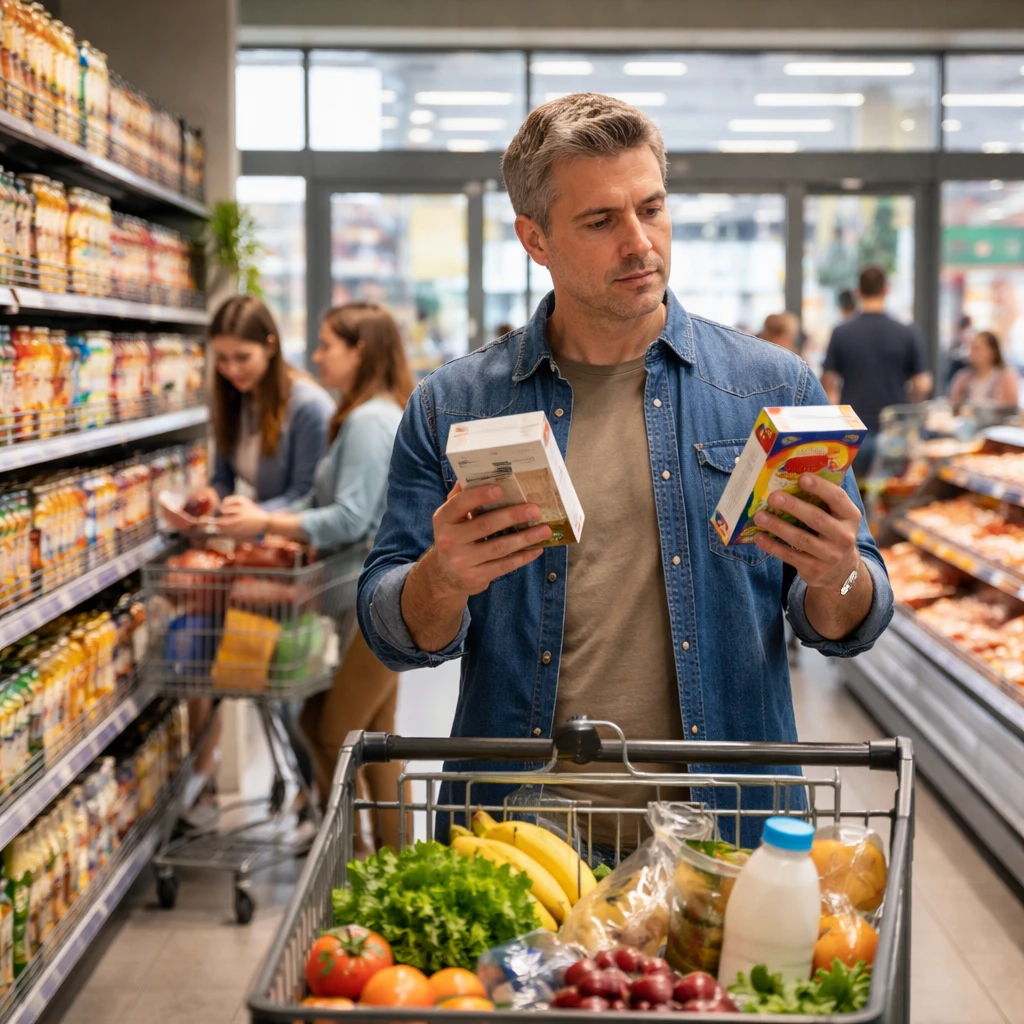
Bill Peterson, a 61-year-old home remodeler in Chicago, says his grocery-shopping habits have changed markedly. Where he once frequented Whole Foods and Kroger for fresh produce and milk, he now shops at Aldi, citing significantly lower prices. Peterson remains employed but describes the economy as fragile: "There’s no job security ... everything has gotten stupid expensive," he said.
Peterson’s move reflects a broader shift in American shopping habits. As inflation has persisted, consumers from different income brackets have become more value-conscious, increasingly accepting private-label products that were once stigmatized. Experts describe this as more than a short-term retrenchment - a reorientation in how households allocate spending.
"Inflation is just 'an accelerant to fundamental shifts already set to unfold,'" said Sarah Henry, managing partner at Logan Capital Management.
Sales and sector trends
Retail data show a clear tilt toward value-oriented merchants. Researchers at NielsenIQ report that from January through May of this year, value retailers delivered 11.6% year-on-year sales growth, while conventional retailers grew by 2.3% over the same period. That gap underscores the strength of lower-priced retailers as consumers hunt for savings.
Julie's Barber, Walmart’s chief merchandising officer, summed up the change in shopper behavior: "Shopping smart has become a mindset, not a customer segment." Walmart is responding by bolstering its store-brand food offerings. The company is expanding its "bettergoods" label to nearly 1,000 items. David Guggina, Walmart’s U.S. CEO, said on an earnings call in May that the label has helped attract new customers, including those with higher incomes.
RBC analyst Nik Modi wrote in June that private brands are being elevated "from a defensive tactic to a core growth strategy," characterizing the shift as a "structural commitment rather than cyclical opportunism." Aldi, for one, is acting on that premise. The German discounter operates roughly 2,700 U.S. stores and plans to open about 180 additional locations this year, with a further 400 openings planned through 2028. "High inflation or low inflation, high unemployment or low unemployment, there are always consumers who are looking to save more money," Scott Patton, chief commercial officer of Aldi’s U.S. arm, told Reuters. "I think consumers have figured out they don’t need national brands."
Amy Fox, a business owner in the Cincinnati area, describes a similar recalibration. Although she has sufficient disposable income, rising grocery bills and three children in college mean she is more sensitive to price increases. Fox has shifted purchases of beef and chicken to Meijer, a Midwestern supermarket chain whose private-label meat offerings are substantially cheaper than comparable national-brand items at stores like Whole Foods. "It just doesn’t make sense anymore," she said, referring to paying top dollar for those products.
Retail strategies and product rollouts
Retailers are positioning private labels as both a defensive measure and a growth lever. Kroger executives have reported that private-label sales are rising faster than national brands. Kroger told Reuters it is "investing in our price position in a disciplined way" to provide "fresh, high-quality food at affordable prices."
Target, where owned brands represent about 30% of sales, plans to add 600 private-label food and beverage items over the next two years, including 400 new items within its flagship grocery line Good & Gather, a company spokeswoman said. Dollar General also signaled its focus on value across income levels, announcing new private-brand launches and more than 70 back-to-school items priced at $1 or less.
NielsenIQ’s analysis found that both value retailers and premium retailers were growing faster than mid-market stores, suggesting consumers continue to splurge selectively even while broadly prioritizing savings. That pattern held across low-, middle- and high-income households, implying the shift cuts across traditional income boundaries.
Drivers and outlook
Industry observers point to several reinforcing forces. Dana Peterson, chief economist at The Conference Board, said high inflation and sticker shock from elevated energy and grocery bills are prompting the hunt for value. Logan Capital’s Henry noted that broader concerns about the future - including fears of job loss amid advances in AI - may also make consumers more cautious. At the same time, she said, AI tools are making it easier for bargain-hunters to find deals.
The cumulative effect appears to be a more deliberate approach to spending: consumers trimming costs on staples while still allocating discretionary spending selectively. That has encouraged retailers to treat private labels as a long-term component of assortment strategy rather than a temporary lever to blunt inflationary pressures.
Consumer attitudes and stigma
For shoppers like Peterson, the stigma that once surrounded private-label goods has eroded. Having grown up without money, he previously avoided store brands that he associated with lower quality. "That stigma is pretty much gone," he said. Industry executives and analysts increasingly describe private labels as mainstream choices for value-seeking consumers across the income spectrum.
As retailers expand store-brand assortments and discounters increase their footprint, the private-label trend is poised to remain a central feature of the U.S. grocery landscape. How that evolution will influence margins, supplier relationships and long-term store economics was not detailed in the data cited here, leaving the broader financial consequences to be observed as the pattern continues to unfold.