
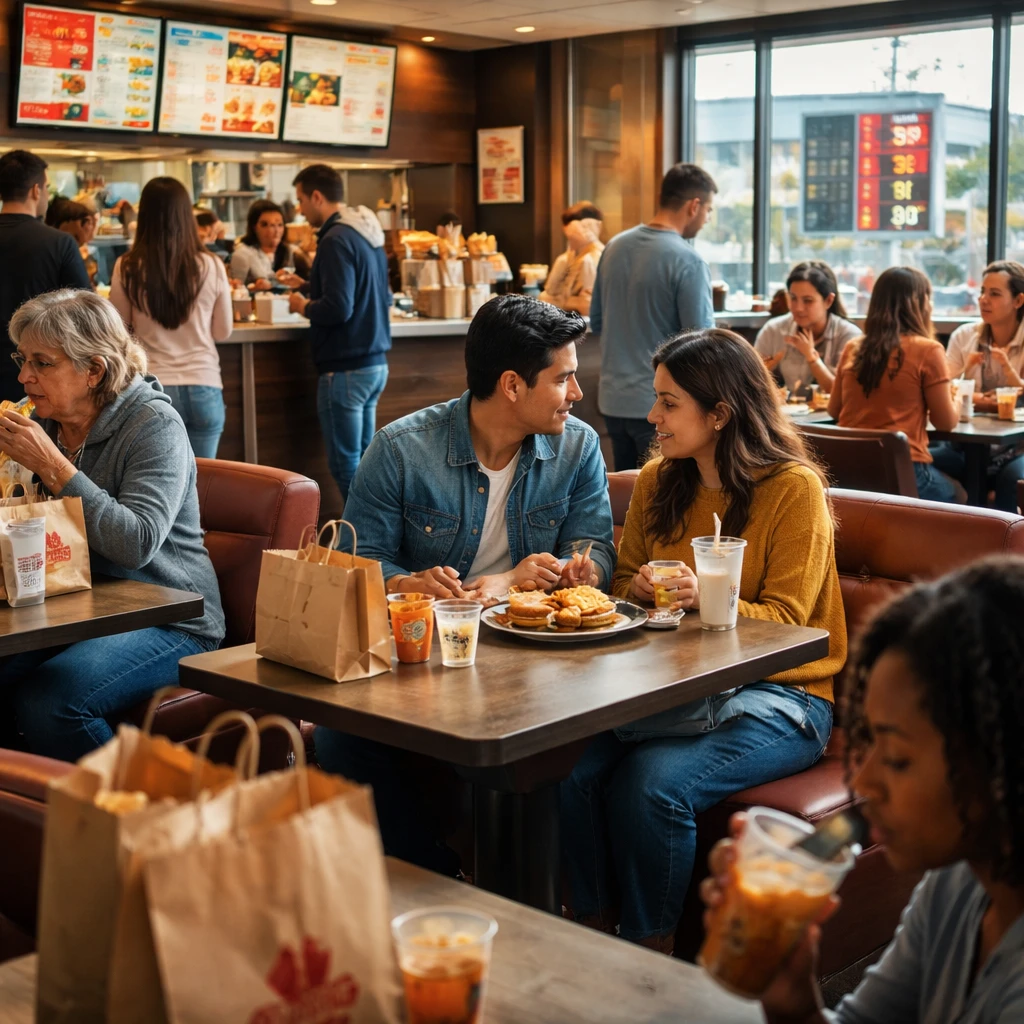
Key takeaway - UBS has adopted a more cautious stance on the U.S. restaurant sector for the back half of 2026, citing persistent demand headwinds that it expects will weigh on traffic and sales.
In a report dated June 5, UBS said that restaurant results in the first half of the year came in below expectations. The bank noted that the boost from tax refunds was largely offset by higher gasoline costs and other household spending pressures, leaving consumer discretionary purchases vulnerable as rebate-driven spending fades.
Consumer groups under strain
UBS identifies lower-income consumers as the primary source of demand weakness, with younger and Hispanic consumers also facing meaningful spending pressures. The bank says these dynamics are contributing to softer traffic patterns, even as restaurants deploy promotions and discounts to lure customers.
Format-level divergence
According to UBS, quick-service restaurants are expected to remain relatively more pressured because of their greater exposure to lower-income customers and intensifying competition around value offers. By contrast, casual dining operators are judged to be more resilient, supported by higher-income consumers who continue to spend on dining experiences and by a narrowing of the price gap between casual and fast-food options.
Costs and supply considerations
The bank views commodity and labor inflation as generally manageable across the sector, but it flags beef prices as a notable risk. UBS also points to potential cost pressures stemming from geopolitical tensions and possible supply-chain disruptions.
Longer-term and structural themes
Beyond near-term demand concerns, the report highlights several structural forces shaping the industry: elevated promotional activity, increased investment in artificial intelligence, beverage innovation, and the potential longer-term effect of GLP-1 weight-loss drugs on dining behavior. UBS says broader adoption of GLP-1 treatments could gradually reduce calories consumed and frequency of dining out, creating a gradual sales headwind for some brands.
Valuation context and top picks
UBS notes that restaurant valuations are trading well below historical averages and at a discount to the broader market. Within this environment, the bank’s top sector picks are Dutch Bros, Brinker International and Yum Brands. UBS says Dutch Bros continues to gain share through strong traffic growth and new initiatives; Brinker is benefitting from sustained same-store sales momentum and margin expansion opportunities; and Yum Brands is expected to gain from Taco Bell strength and longer-term unit growth.
Outlook
Overall, UBS expects demand headwinds to persist through the remainder of the year as rebate-related spending fades and consumers remain cautious about discretionary purchases. The bank anticipates that value-focused competition and consumer budget constraints will keep upward pressure on industry promotional activity.
Summary of implications
- Near-term demand weakness is concentrated among lower-income, younger and Hispanic consumers.
- Quick-service chains face heightened risk from their customer mix and value competition; casual dining is relatively steadier.
- Cost pressures are manageable overall but beef prices and potential supply-chain impacts are highlighted as risks.