
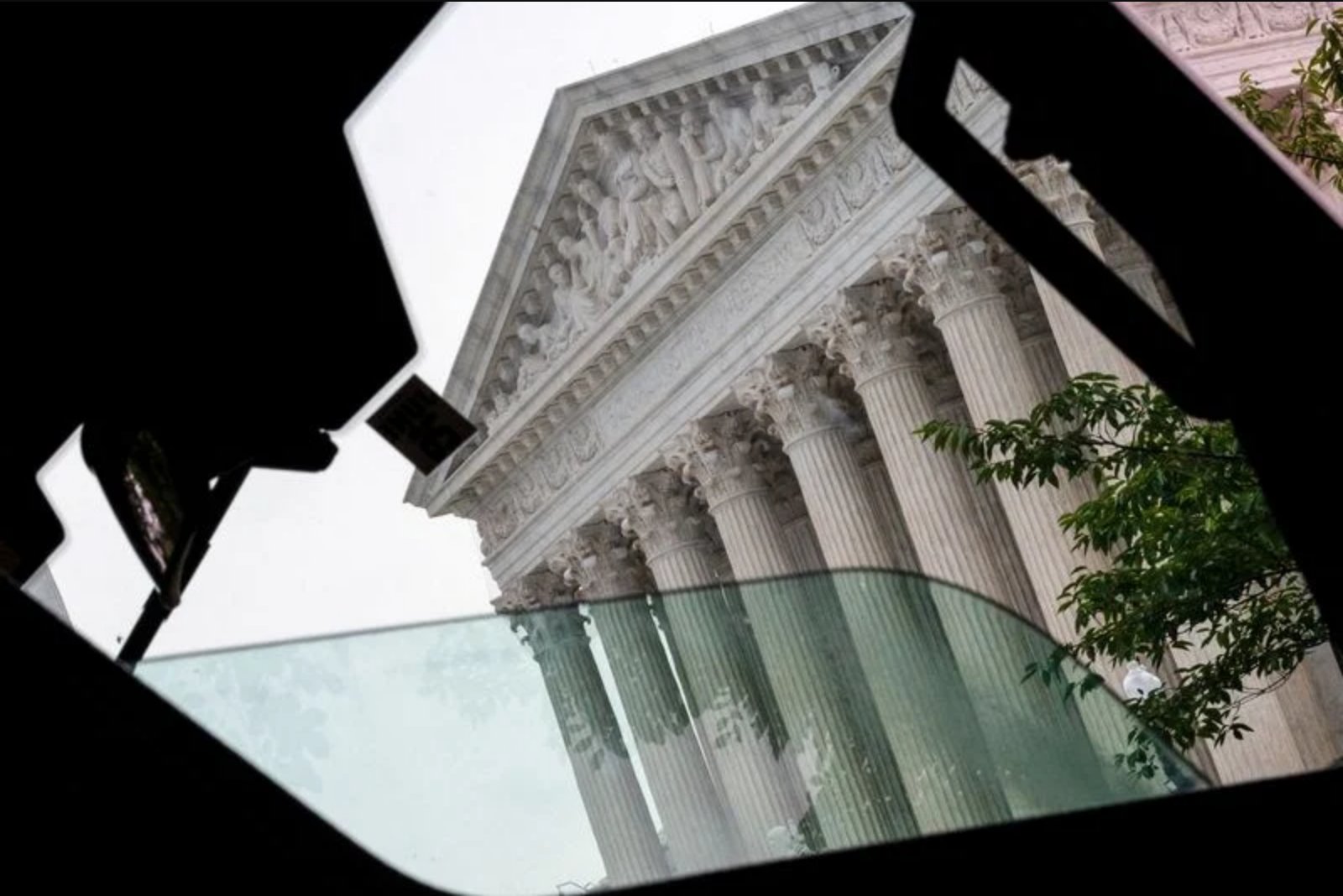
The U.S. Supreme Court on Monday sided with President Donald Trump in a case concerning the removal of a Democratic commissioner from the Federal Trade Commission, effectively affirming the president’s ability to dismiss many appointees at will. The ruling discards a prior judicial interpretation that limited presidential removal of agency officials and appears likely to undercut legal challenges filed by officials removed from other federal boards and commissions.
Consumer Product Safety Commission
Last year President Trump removed three Democratic commissioners from the Consumer Product Safety Commission. By law, those commissioners are protected from removal except for "neglect of duty or malfeasance in office." A federal judge found the firings unlawful and ordered the commissioners reinstated, but the Supreme Court placed that order on hold while the administration appeals.
The statutory language shielding those commissioners largely mirrors the removal provision that the Supreme Court addressed in the FTC case, which required "inefficiency, neglect of duty, or malfeasance in office" as cause for removing an FTC commissioner. The conservative majority of the Court concluded that such a requirement infringed the separation of powers and overturned a 1935 decision that had endorsed the earlier interpretation of FTC protections.
The administration’s appeal in the consumer safety matter remains pending. Meanwhile the commission is left with a single Republican member, a situation that limits its ability to carry out many of its core functions.
Federal Labor Boards
Legal analysts say the reasoning the Court used to eliminate removal protections for FTC commissioners could extend to members of federal labor boards that oversee public and private-sector labor relations. The statutes that protect members of the Merit Systems Protection Board and the National Labor Relations Board contain the same or nearly the same language the Court found problematic in the FTC dispute, requiring cause such as neglect or malfeasance for removal.
A Washington, D.C. appeals court ruled in December that those protections were invalid, and the officials who were fired have taken their appeals to the Supreme Court. In its Monday decision the Supreme Court emphasized that officials who execute federal laws, like FTC commissioners, must be accountable to the president.
Former labor board officials have maintained they function more like judges resolving individual cases that come before their agencies than like policymakers. They could press that argument if the Supreme Court agrees to decide their appeals. Still, Monday’s ruling cast doubt on whether officials who exercise so-called "quasi-judicial" powers will be considered immune from at-will removal.
Equal Employment Opportunity Commission
In an unprecedented set of actions last year the president removed two commissioners from the Equal Employment Opportunity Commission, which enforces workplace discrimination laws. One of those commissioners filed suit, and the case was stayed pending resolution of the Supreme Court’s FTC ruling.
The removals left the five-member EEOC without the three-member quorum required to act for most of last year, until the U.S. Senate confirmed a president’s nominee in October. Unlike many other agency officials, EEOC commissioners do not have an explicit statutory bar against removal without cause. The commissioner who sued argued that independence from the White House was implicitly intended for the panel, but that position now faces an uphill battle given the Court’s statement that "subordinates who exercise the President’s power are subject to removal by him," according to observers quoted in the underlying case record.
Privacy and Civil Liberties Oversight Board
The president last year also dismissed three Democratic members of the Privacy and Civil Liberties Oversight Board, a five-member panel tasked with reviewing national surveillance programs for privacy and civil rights implications. Those removals left a single Republican member on a board whose term-limited member subsequently expired in January.
As with the EEOC, the statute grounding the surveillance board does not include explicit protections against removal. Attorneys for the ousted members could argue that the board’s work on national security matters, including regular reviews of classified materials, sets it apart and justifies insulating its members from at-will firing. Lawyers and other experts say any effort to differentiate the board from the FTC ruling is likely to point to a separate Supreme Court decision on Monday that preserved removal protections for members of the Federal Reserve’s governing board, a ruling that cited the Fed’s unique constitutional and historical position.
The Supreme Court’s actions mark a significant shift in the balance between presidential authority and the independence of administrative agencies. For now, several high-profile removal challenges remain unresolved as they move through the appeals process, and agencies with diminished membership face constraints on their decision-making capacity.