
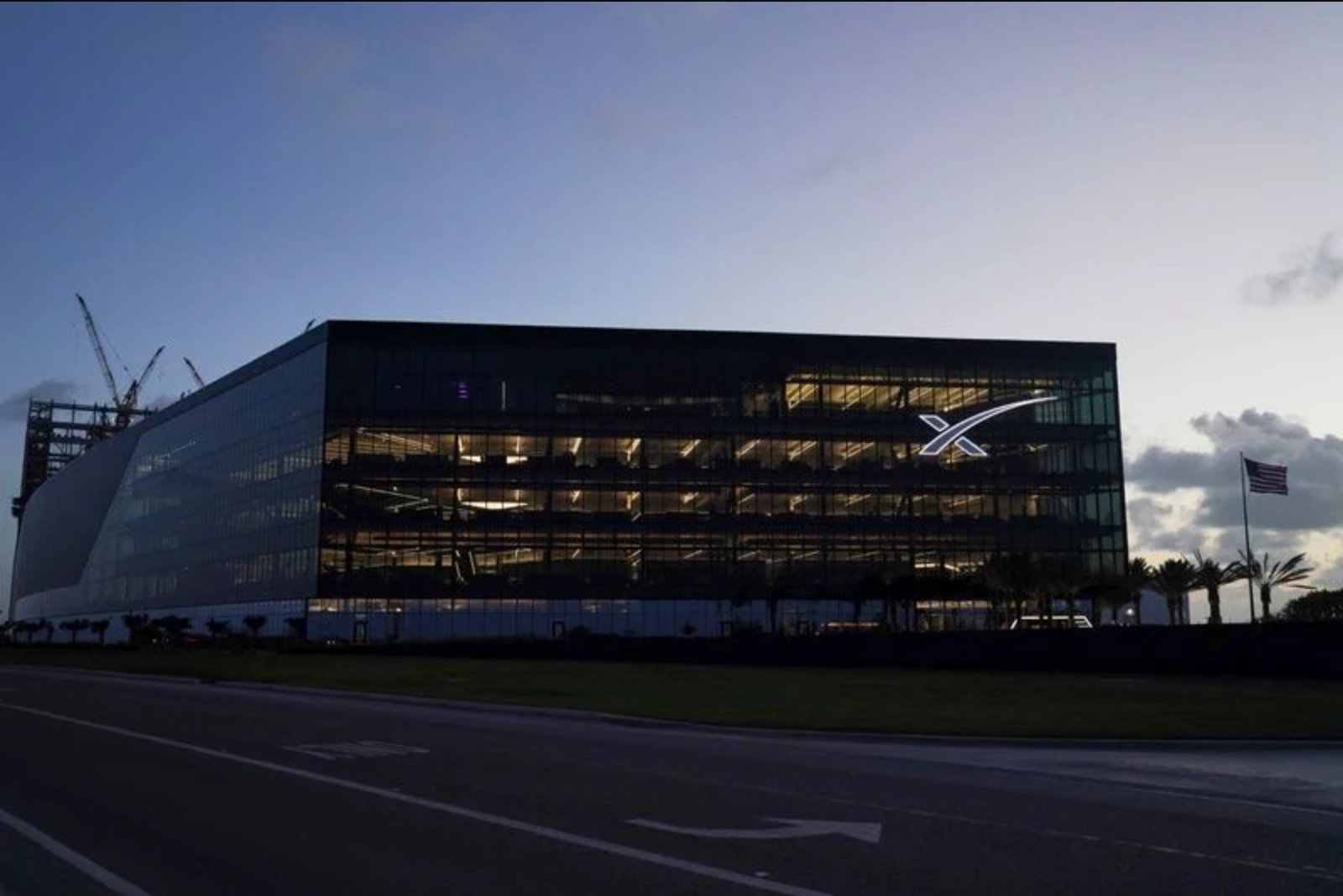
Reflection AI has entered into a contract with SpaceX to acquire additional computing capacity housed at the Colossus 2 data center. The arrangement grants the open-source, Nvidia-backed startup immediate use of Nvidia GB300 chips - accelerators designed to train and run advanced AI models - and includes a multiyear payment commitment.
Under the terms of the agreement, Reflection will begin monthly payments of $150 million starting July 1, 2026, continuing through 2029. If the contract runs for its full duration, the accumulated payments would amount to about $6.3 billion. The two companies have also built in an exit mechanism: after the first three months, either party may terminate the contract on 90 days' notice.
Details provided by the companies and related disclosures
- SpaceX and Reflection did not immediately respond to requests for comment about the agreement.
- The immediate compute allocation includes Nvidia GB300s, which the startup will use to accelerate training and inference workloads for advanced models.
- Either company can end the contract with 90 days' notice after the initial three-month period.
- Reflection described the deal as increasing its ability to "push the frontier on open models" in a LinkedIn post, and the startup is identified in public descriptions as Nvidia-backed.
The transaction joins a sequence of commercial engagements for SpaceX's data center business. SpaceX has previously made capacity commitments to other large AI customers, including a multimonth arrangement with a major technology firm that involves payments of $920 million per month from October through June 2029, with capacity ramping up through September at a reduced fee. SpaceX has also signed a capacity agreement with an AI startup named Anthropic.
Market reaction to the Reflection deal was notable: shares of SpaceX were down about 10.6% in afternoon trading on the day the agreement was disclosed.
What the deal means from a product and capacity perspective
For an open-source AI developer, access to a large pool of high-end accelerators can materially change development timelines and scale. Reflection's comment that the additional compute gives it "more room to push the frontier on open models" speaks directly to the startup's ability to iterate on larger architectures and larger training runs using the allocated GB300 capacity.
At the same time, the structure of the contract - a fixed high monthly payment with an early termination window after three months - creates both predictable supply and significant financial commitment over the contract's multi-year span.