
Stock Markets June 10, 2026 07:36 AM

Porsche Says No to a Fully Electric 911

CEO Michael Leiters affirms the 911 will remain rooted in combustion power while the company pursues electric models selectively

By Avery Klein
Share
Twitter Reddit Facebook LinkedIn

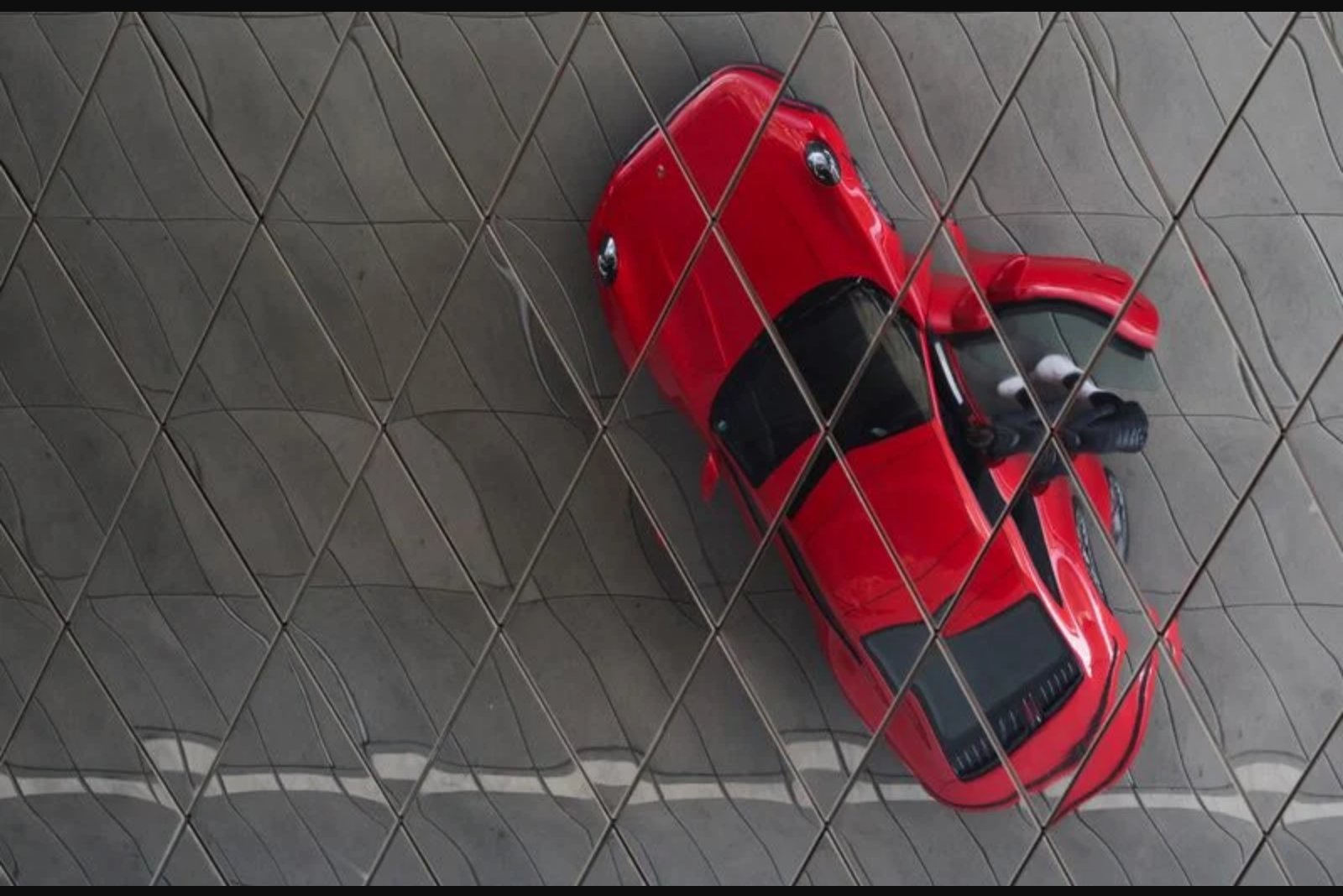
Porsche CEO Michael Leiters stated at an event hosted by the magazine "Auto, Motor und Sport" that the company will not build a fully electric version of its iconic 911 sports car. Leiters reiterated that, to date, all 911 variants have been combustion-engine vehicles, with some available as hybrids. Porsche already offers a fully electric sports car, the Taycan, introduced in 2019, and two fully electric SUVs. Leiters said the company will continue targeted investments in electric mobility based on customer demand and acknowledged that Porsche has overestimated demand for electric models, prompting a modest return of emphasis to combustion-engine vehicles.

Porsche Says No to a Fully Electric 911
Summarize with
ChatGPT Perplexity Claude Grok Gemini

Key Points

  • Porsche will not produce a fully electric 911; the model line will remain rooted in combustion-engine architecture.
  • The company already offers a fully electric sports car (Taycan, introduced in 2019) and two fully electric SUVs, and will continue selective investments in electric mobility guided by customer demand.
  • Management acknowledges an overestimation of demand for electric models, prompting a partial shift back toward combustion-engine vehicles; this development touches the automotive and electric vehicle sectors and could influence suppliers focused on EV components.

Porsche will not produce a purely electric version of its signature 911 sports car, CEO Michael Leiters said at an event hosted by the magazine "Auto, Motor und Sport." The comments make clear that the 911 line will retain its combustion-engine heritage rather than transition to a fully battery-electric architecture.

Leiters noted that, historically, every 911 model introduced has been powered by a combustion engine, although some variants have been offered with hybrid drivetrains. At the same time, Porsche already fields a fully electric sports car: the Taycan, which has been on the market since 2019. The company also sells two fully electric SUVs.

Addressing Porsche's broader electric strategy, Leiters said the automaker intends to continue investing in electric mobility in a selective manner - guided by customer demand. He acknowledged that Porsche had overestimated the pace or scale of demand for electric models and, as a result, the company has shifted somewhat back toward combustion-engine vehicles.

The CEO's remarks underline a deliberate approach to electrification for Porsche's product mix: maintaining certain traditional internal combustion lineages where customer preferences support them, while keeping targeted commitments to battery-electric vehicles elsewhere in the portfolio.

Those statements reflect a measured posture on technology transition and market demand. Porsche's existing electric offerings - the Taycan and two electric SUVs - remain part of the lineup, but the 911 will not be converted to a fully electric model, according to Leiters.


Context provided by the company remarks:

  • All 911 models to date have been combustion-engine models, with some hybrid variants available.
  • Porsche introduced the fully electric Taycan in 2019 and also offers two fully electric SUVs.
  • Management says future electric investments will be selective and driven by customer demand.
  • Porsche believes it had overestimated demand for electric models and has partially reverted to a greater emphasis on combustion-engine vehicles.

Risks

  • Demand uncertainty for fully electric vehicles - Porsche says it overestimated demand for electric models, creating uncertainty for automakers and EV suppliers.
  • Potential misalignment of investment - selective investment in electric mobility guided by customer demand could introduce timing and allocation risk for capital-intensive EV programs and related suppliers.
  • Market segmentation risk - maintaining combustion-engine variants where customer preference persists may complicate product planning and affect suppliers across powertrain technologies.

More from Stock Markets

Barclays Highlights Three European Consumer Health Stocks to Watch in 2026 Jun 10, 2026 Gulf Sovereign Funds Rally Behind SpaceX IPO With Multi-Billion Dollar Orders Jun 10, 2026 Insider Transactions: Hotel REIT CEO Adds to Stake; Several Executives Buy and Sell Shares Jun 10, 2026 Core AI Holdings Shares Plunge After $5.4 Million Registered Direct Offering Announcement Jun 10, 2026 Bosch Sticks to Annual Targets as CEO Flags External Risks and Restructuring Jun 10, 2026