
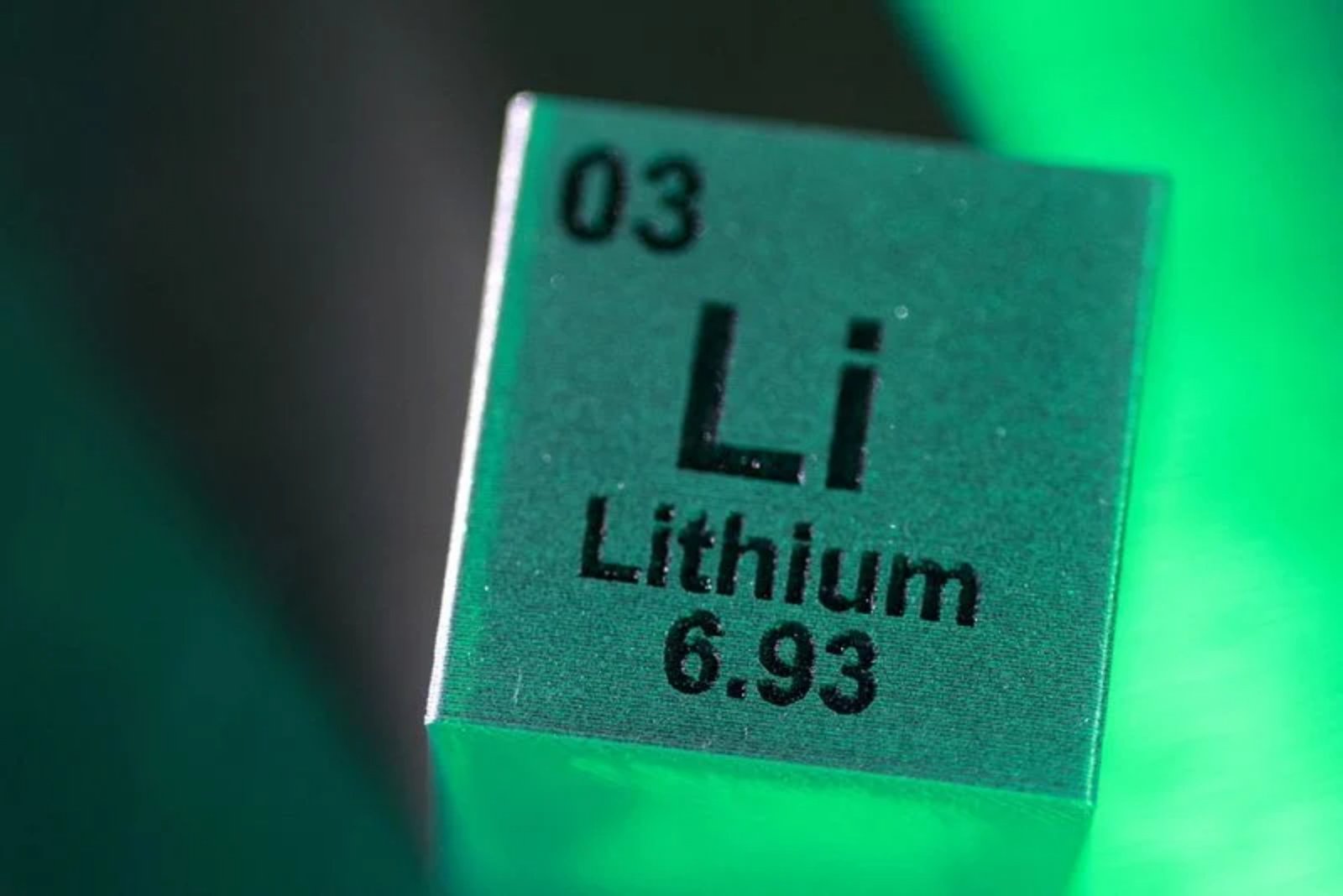
Delegates at a leading lithium industry gathering in Las Vegas signaled renewed optimism about the market outlook as demand for stationary battery storage gains momentum, helping to mitigate softer sales in certain electric vehicle markets.
Company executives and consultancy officials said regulatory shifts in the United States and other jurisdictions have contributed to a cooling of EV purchases in some key markets, a slowdown that coincided with an industry-wide production overshoot and steep declines in lithium prices. But speakers at the Fastmarkets Global Lithium, Battery and Critical Materials Conference this week described a changing demand profile driven increasingly by stationary energy storage.
Raju Daswani, CEO of Fastmarkets, said the period of market overcorrection has ended. "Energy storage has become a primary driver of growth in this market," he told the conference. Fastmarkets estimates lithium demand associated with battery storage systems is expanding at about 40% per year, a pace Daswani described as a "fundamental change" that provides a more stable foundation compared with the volatility of consumer-driven EV demand.
The conference, which is regarded as the world's largest annual meeting for lithium investors, executives and consumers, drew roughly 1,100 attendees this year, an increase of about 10% compared with the previous edition, organizers said. Delegates described the tone as a clear contrast to the more pessimistic atmosphere at the 2025 conference; lithium prices have more than tripled since then.
Industry leaders emphasize a dual demand picture
Executives outlined expectations that demand will be more evenly split between EVs and energy storage in the near term. "Lithium demand in the next two years is going to be much more balanced between EVs and energy storage," said Jérôme Pécresse, who leads Rio Tinto's aluminum and lithium unit and whose business is planning to raise lithium production capacity by 2028.
Albemarle, the world's largest lithium producer, reported steady growth in battery storage demand that stands in contrast to uneven EV sales. Eric Norris, Albemarle's chief commercial officer, said on the sidelines of the conference that "grid storage is much more evenly distributed around the world" and called it an "interesting demand driver."
Smaller producers also pointed to concrete signs of commercial momentum: ioneer announced it had signed a letter of intent with Hyundai Engineering and an arm of the South Korean government to support its Nevada lithium project.
Calls for policy support to develop Western processing
Despite the improving tone, industry speakers pressed governments to do more to financially support lithium processing capacity, which remains dominated by lower-cost Chinese firms. Delegates noted recent international efforts to coordinate Western supply of critical battery metals. G7 leaders last week agreed to better coordinate efforts on boosting Western lithium and nickel markets, executives at the conference said.
Dale Henderson, CEO of Pilbara Minerals (PLS), Australia's largest independent lithium producer, framed the issue in stark terms: "What are governments willing to pay for security of supply? There's a tax to be paid for that, and it hasn't been paid yet." His comments reflected industry concerns that market recovery and a more balanced demand profile may not be sufficient to spur investment in higher-cost processing outside China without public support.
On the technological front, Audrey Robertson, U.S. assistant energy secretary, encouraged companies to pursue processing innovations that could alter how lithium and other critical minerals are handled. Robertson told conference attendees that "the way that we're processing lithium today is not the way we're going to process it in five years."
Market indicators displayed during the event included listed company references and short-term price movements: RIO -1.57%, ALB -5.7%, PLS -6.32%, IONR +3.16%.
Speakers and attendees left the conference describing a market in the midst of structural change: a move toward a more diverse demand base with stationary storage - bolstered by broader grid resilience efforts and the expansion of artificial intelligence workloads - providing a counterweight to the uneven patterns of EV sales.
While optimism has returned, industry participants said sustained investment in processing and a clearer policy framework will be important to translate stronger demand into a more secure and diversified supply chain.