
Stock Markets May 6, 2026 12:29 AM

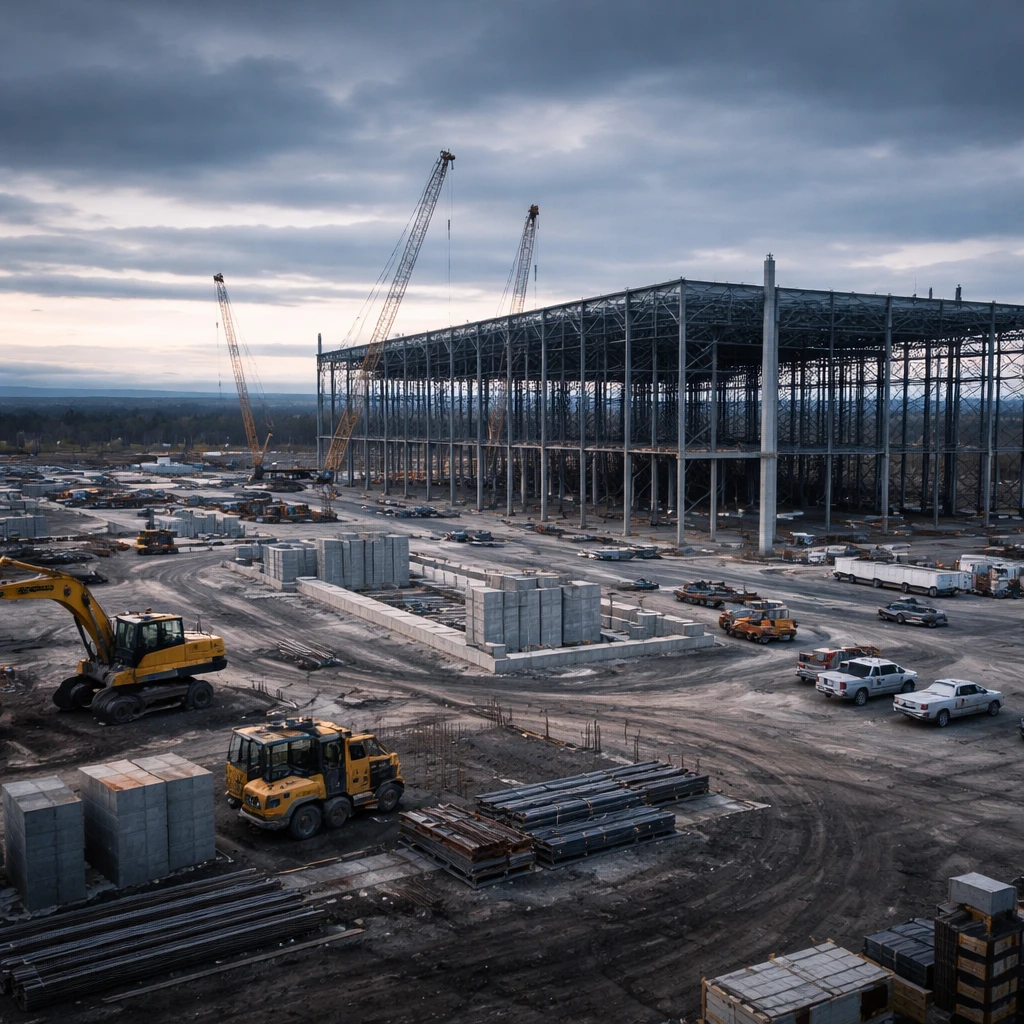
Honda Pauses Plans for Large Ontario EV and Battery Complex as U.S. EV Demand Slumps

Automaker redirects capital toward hybrids and flexible production after U.S. market and policy shifts reduce appetite for full EV investment

By Ajmal Hussain
Share
Twitter Reddit Facebook LinkedIn

Honda Motor Co will put on hold its planned electric vehicle and battery manufacturing project in Ontario, a C$15 billion initiative first announced in 2024, as weakening U.S. EV demand and changing policy dynamics prompt a strategic shift toward hybrid vehicles and flexible assembly lines. The proposal - which had targeted annual output of up to 240,000 vehicles and was already delayed by two years - is now suspended indefinitely while Honda reassesses its North American electrification approach.

Honda Pauses Plans for Large Ontario EV and Battery Complex as U.S. EV Demand Slumps
Summarize with
ChatGPT Perplexity Claude Grok Gemini

Key Points

  • Honda will indefinitely suspend its planned Ontario EV and battery factories, a project first announced in 2024 with a planned investment of about C$15 billion ($11 billion).
  • The project aimed to produce up to 240,000 vehicles annually and had already been delayed by two years prior to this decision.
  • Honda is shifting capital toward hybrid models and flexible production lines after U.S. EV sales fell sharply and hybrids gained share, and the company is expected to end production of its Prologue EV developed with General Motors.

Honda Motor Co will freeze indefinitely the planned electric vehicle and battery factories in Ontario, a project first unveiled in 2024 with an intended investment near C$15 billion (about $11 billion), the company has decided as it rethinks its North American electrification strategy.

The halted project had been designed to produce as many as 240,000 vehicles per year. It had already suffered a two-year delay prior to the current suspension, and Honda is now pausing the initiative while evaluating market conditions and policy uncertainty across North America.

Honda’s reassessment follows a period of weakening demand for battery electric vehicles in the United States. U.S. EV sales fell sharply late last year while hybrid models picked up market share - a shift that has led Honda to reposition investments toward hybrid vehicles and toward production capacity that can be retooled more flexibly.

Policy developments are also weighing on the decision. A rollback of U.S. EV incentives and the adoption of looser fuel economy rules have been cited as factors that have contributed to softer demand for full battery electric vehicles. Trade tensions have been identified as an additional source of risk for large-scale cross-border manufacturing projects.

As part of its North American pivot, Honda is expected to stop production of the Prologue EV, a model it developed in cooperation with General Motors. The company is preparing to relocate capital into hybrid powertrains and manufacturing lines that can accommodate multiple vehicle types as it adapts to the altered market outlook.

Honda’s change in course comes with financial consequences. The company is bracing for significant losses associated with modifying its electrification program to fit the new environment - a recalibration that includes shelving the Ontario project indefinitely and prioritizing lower-risk, more adaptable investments.

The decision underscores the volatility of the EV market in North America and highlights how shifts in consumer demand and government policy can rapidly alter automakers’ capital allocation plans.


Clear summary: Honda has indefinitely suspended its proposed C$15 billion Ontario EV and battery complex, originally targeting up to 240,000 vehicles annually, and is redirecting investment toward hybrids and flexible production lines amid weaker U.S. EV sales, policy changes, and trade-related risks.

Risks

  • Policy uncertainty in North America, including rollbacks of U.S. EV incentives and looser fuel economy rules, which have dampened demand for full battery electric vehicles - impacts automotive manufacturing and EV suppliers.
  • Trade tensions that raise operational and investment risks for cross-border manufacturing projects - affects international supply chains and automotive investment planning.
  • Financial exposure from altering electrification plans, as Honda anticipates significant losses tied to reconfiguring its strategy - impacts corporate earnings and investor assessments in the automotive sector.

More from Stock Markets

Porsche Seeks Agreement on Second Cost-Cutting Plan Before July Factory Break Jun 20, 2026 Fatal Blaze Forces Mass Evacuation at Bayahibe Beach Hotel Jun 19, 2026 TD to Deploy Monitoring Software for Some Financial-Crimes Staff, Raising Privacy Questions Jun 19, 2026 Mexican equities close lower as S&P/BMV IPC dips 0.82% Jun 19, 2026 Colombian equities climb as COLCAP posts 4.02% gain at Friday close Jun 19, 2026