
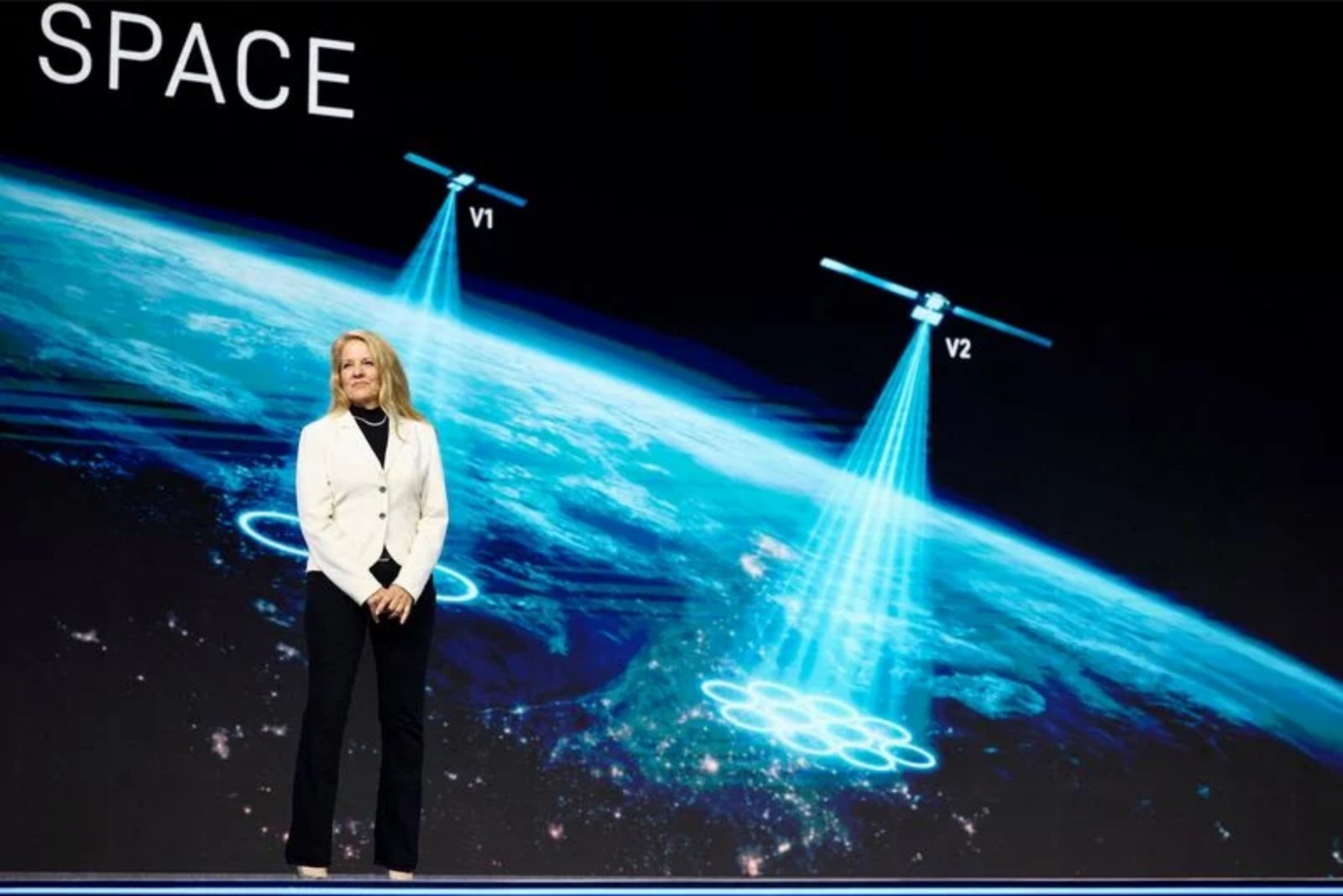
As SpaceX prepares to list publicly this Friday in what is expected to be a landmark initial public offering, attention has centered on the company’s founder and chief executive. Equally consequential, but less in the public eye, is Gwynne Shotwell, the company president who has spent 24 years building the operational framework that turned Elon Musk’s ambitious concepts into commercial and government contracts.
Shotwell, 62, joined the company in 2002 and quickly became the commercial engine that helped sustain SpaceX through early technical setbacks. Educated as a mechanical engineer at Northwestern University, she began her career integrating commercial technologies with government and military space programs at Aerospace Corporation in California before moving to SpaceX in its founding year. Her combination of engineering expertise and industry relationships opened doors for the firm while Musk was still an unfamiliar figure in the aerospace sector.
Colleagues and observers describe Shotwell as a practical executor and an unusually effective manager of an outspoken founder. Jim Cantrell, an early SpaceX executive who helped recruit her, said Shotwell acted as a bridge between what Elon wanted and what could be done. That role mirrors patterns seen in other founder-led companies where a chief lieutenant converts expansive visions into operational goals.
"I want to be helpful to Elon and add value," Shotwell told Time magazine earlier this year, encapsulating the way she frames her role.
She articulated the approach in a 2018 TED conference remark about pausing before judging bold ideas: "When Elon says something, you have to pause and not blurt out 'Well, that's impossible,'" she said. "You zip it, you think about it and you find ways to get it done. I've always felt like my job was to take these ideas and turn them into company goals, to make them achievable."
That combination of strategic patience and operational rigor has been vital to SpaceX’s path to commercialization. Shotwell’s industry ties helped the company land launch contracts and other early business even before SpaceX had reached orbit, bolstering the company’s credibility during fragile early years. The pivotal moment came in 2008, when SpaceX secured a $1.6 billion NASA contract to resupply the International Space Station - a deal that provided a financial lifeline after a series of Falcon 1 failures had left the company cash-strapped.
Following that success, Musk elevated Shotwell to president and chief operating officer. Her compensation has tracked the company’s growth; the IPO filing shows her pay rose to $85 million last year, largely consisting of stock awards. The filing contrasted that package with the $9.4 million valuation of Boeing CEO Kelly Ortberg’s pay package in 2025, despite Boeing reporting revenue more than quadrupling SpaceX’s.
Insiders portray Shotwell as both exacting and loyal, someone who can make difficult personnel decisions while keeping teams aligned. A former employee characterized her feedback as firm but palatable, saying she could deliver tough criticism "and it would taste like honey." Other former colleagues called her "the glue" holding the company together and recalled her habit of walking into mission control or onto the factory floor to ask precise, technically informed questions about everything from astronaut training simulations to manufacturing processes.
Those operational strengths will be put to the test as SpaceX embarks on ambitious initiatives backed by investor expectations that place the company’s valuation as high as $1.75 trillion. The run-up to the IPO has featured a divergent tone between Musk and Shotwell. Musk has used his social media platform X to outline a far-reaching vision that extends beyond launch vehicles into artificial intelligence and space-based data centers. By contrast, Shotwell’s public engagements have emphasized more immediate commercial objectives: marketing Starlink at a telecom conference in Barcelona, pursuing regulatory clearance in India for the broadband service, and briefing Washington officials on how AI’s growing energy needs intersect with SpaceX’s capabilities.
Starlink, the satellite broadband network that Shotwell helped commercialize, now generates most of SpaceX’s profit and underpins the company’s ability to fund heavy capital investments. Those investments include the company’s push into artificial intelligence infrastructure, speculative plans such as data centers in orbit and proposals for lunar cities. In addition, SpaceX’s role in supporting NASA’s Artemis program to return astronauts to the Moon places operational reliability at the center of its priorities.
SpaceX’s history demonstrates how Shotwell’s dealmaking and execution helped create a foundation for growth. In 2010, the company won what was then the largest commercial launch contract with satellite operator Iridium - a win that engineers celebrated on-site, with one former founding engineer recalling, "We all drank the champagne." Yet the company’s next phase requires applying the same operating discipline across a far broader set of activities than just rockets and launches.
SpaceX did not respond to requests for comment or an interview with Shotwell for this piece.
As the company becomes publicly traded, the questions that will follow are procedural and strategic: can the execution-focused approach that sustained SpaceX through early technical and commercial hurdles scale to support an expanded portfolio of businesses? Can Starlink’s revenue and profitability sustain the capital intensity of AI infrastructure investments and long-term speculative projects? And can the operational model that earned Shotwell a reputation for exacting standards extend to the regulatory, diplomatic and commercial outreach the company increasingly requires?
The answers will unfold in the months and years after the IPO, and Shotwell’s role in translating high-level goals into deliverable programs will be a central variable in how SpaceX fares as a newly public enterprise.