
U.S. stock index futures were mostly unchanged late Thursday after a brutal session for technology shares that sent major benchmarks lower on concerns about heavy spending to build artificial intelligence capabilities.
By 22:22 ET (02:22 GMT), S&P 500 Futures were steady at 7,449.0 points. Nasdaq 100 Futures were down 0.1% at 28,592.50 points, while Dow Jones Futures were up 0.1% at 51,950.0 points.
The market rout earlier in the day was led by big-cap technology names warning of elevated investment as they expand AI efforts. That selling pressured the NASDAQ Composite, which fell more than 2% on the session, while the S&P 500 and Dow Jones Industrial Average declined about 1.2% and 1.0%, respectively.
Tariffs announced on 60 trading partners
The U.S. administration outlined new duties of 10% to 12.5% on goods from 60 trading partners, including the UK, China, Japan, and India, citing failures to adequately prevent forced labor. Trade Representative Jamieson Greer said the duties will take effect, following earlier threats from President Donald Trump.
The announcement follows recent moves by the administration, including 50% tariffs imposed on several Canadian products only days earlier. The latest measures represent a renewed expansion of the tariff agenda after the Supreme Court struck down most of the prior levies earlier in the year.
Big tech writedowns weigh on equities
Among the hardest hit were Tesla Inc (NASDAQ:TSLA) and Alphabet Inc (NASDAQ:GOOGL). Tesla plunged nearly 15% and Alphabet fell 7.1%; both names later stabilized in aftermarket trading. Market commentary pointed to both companies flagging high spending as they scale up AI initiatives, intensifying investor concerns about sizable outlays with uncertain returns.
Energy and Middle East developments add to market stress
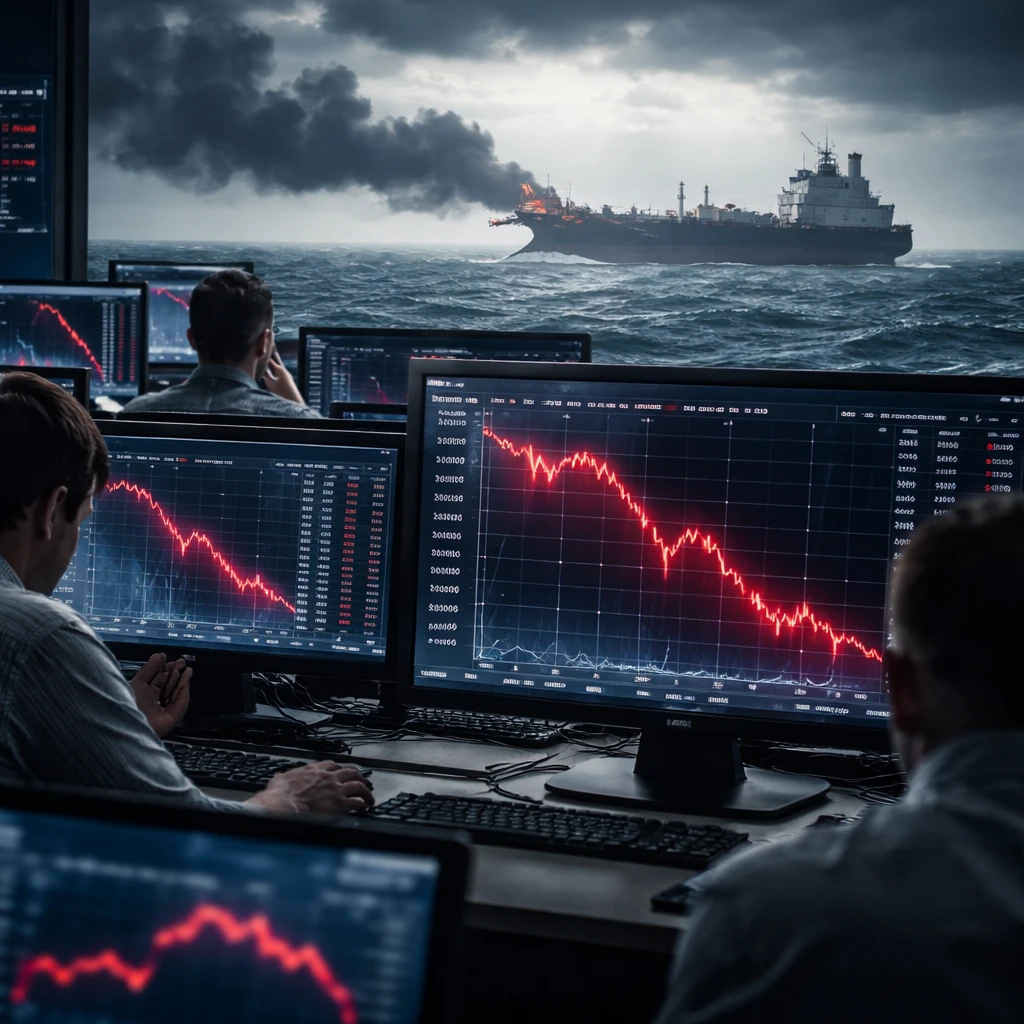
Heightened oil prices this week compounded investor unease after the conflict in the region expanded to the Bab al-Mandeb Strait. Yemen’s Iran-backed Houthi group attacked two Saudi Arabian tankers and declared a naval blockade against Saudi Arabia, raising fears of supply disruption and prompting a jump in crude.
Higher oil costs raise the prospect of energy-driven inflation, a factor that could influence the Federal Reserve’s policy stance. The Fed is scheduled to meet next week and is widely expected to keep interest rates unchanged.
Upcoming earnings to watch
Investors will also be watching a slate of large technology earnings next week. Microsoft Corporation (NASDAQ:MSFT) and Meta Platforms Inc (NASDAQ:META) are slated to report on Wednesday, followed by Apple Inc (NASDAQ:AAPL) and Amazon.com Inc (NASDAQ:AMZN) on Thursday.
With major tech companies simultaneously managing hefty AI investments and approaching quarterly reports, markets may remain sensitive to any indications of spending trajectories and return expectations.
The combination of tariff-driven trade risk and renewed hostilities in a key shipping lane contributed to a risk-off tone in equities, even as futures showed some stabilization late in the session.