
WASHINGTON, July 27 - A plan circulated by the Department of Defense in May shows the Biden administration's successor has scheduled the obligation and delivery of $400 million in U.S. assistance to Ukraine on a timeline that stretches into fiscal year 2029, a source familiar with the document said. That timetable would see the funds obligated in fiscal 2026 and final deliveries completed in the year ending September 30, 2029.
Lawmakers from both parties who backed the assistance last year have repeatedly criticized the Pentagon for the slow pace at which the money is being put to work. Two months after the May letter was transmitted to Congress, the source said, the $400 million had not been disbursed nor formally obligated through contracts.
The spending plan addresses capacity-building support for Ukrainian forces, encompassing equipment, training and services intended to help Kyiv defend itself against Russia’s invasion. According to the letter, specific allocations include $200 million for weapons, ammunition and explosives, $99.9 million for vehicles, spares and equipment, and $100 million for services such as transportation of defense articles to Ukraine.
Members of Congress have expressed frustration publicly and in hearings over what they consider an unusually slow timeline for assistance destined for an active conflict zone. Two sources familiar with congressional reaction said lawmakers were unhappy with the Pentagon’s projected delivery schedule, which places final completion after the date President Trump’s second term is set to end on January 20, 2029.
The letter that outlined the plan has not previously been reported, the source said. It shows the funds would be obligated during fiscal 2026, which ends on September 30 of that year, with final delivery estimated in the fiscal year ending September 30, 2029.
Diplomatic engagement and upcoming meetings
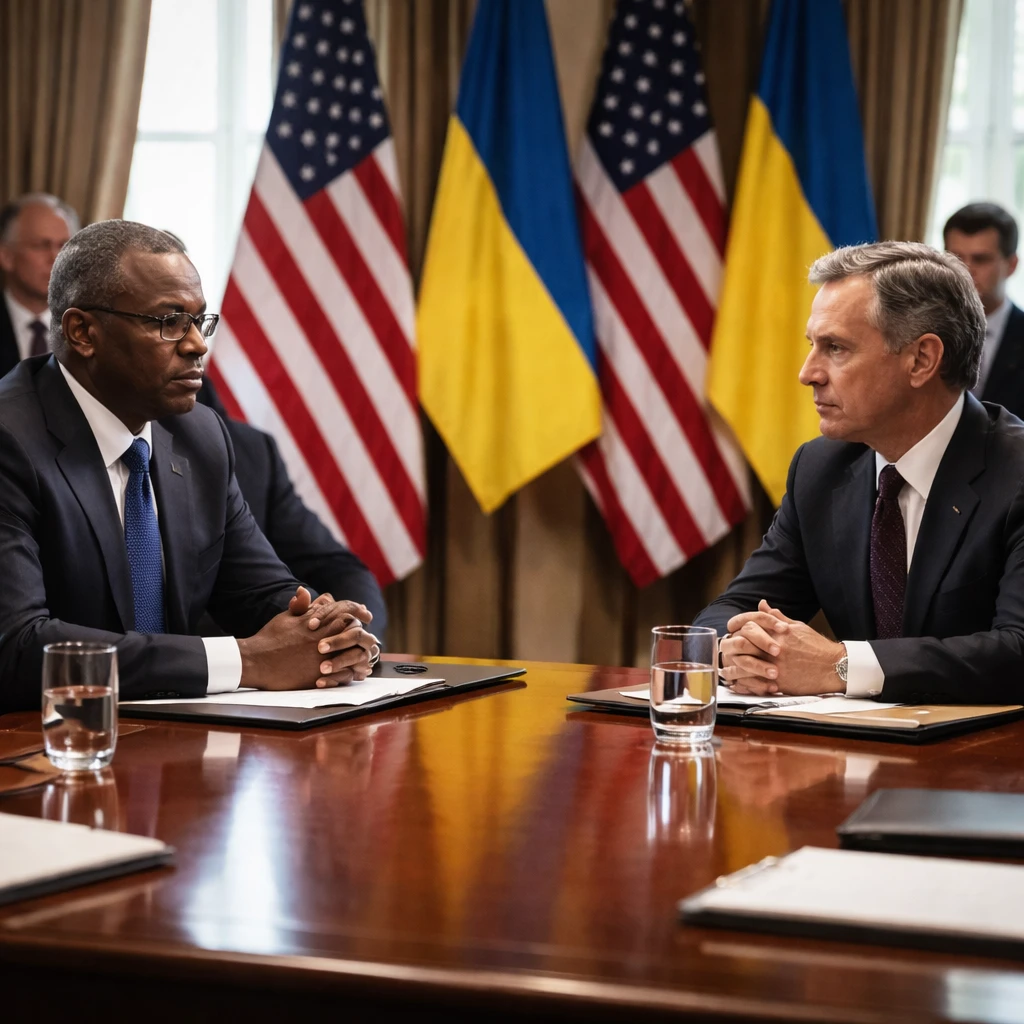
Ukrainian President Volodymyr Zelenskiy is expected to meet with President Trump at the White House on Tuesday, according to a source familiar with the plans, where he is anticipated to press for urgently needed air defense capabilities and to pursue completion of a drone deal with the United States. Following the White House meeting, Zelenskiy is scheduled to visit the U.S. Capitol to meet all 100 senators. The House of Representatives is currently on its summer recess.
The administration’s posture toward Ukraine has shown recent signs of support. The president authorized a proposal to license Ukraine to manufacture Patriot interceptor missiles and indicated he would sign a Russia sanctions bill advanced by the late Senator Lindsey Graham, a close Trump ally in the Senate. Zelenskiy is expected to attend Graham’s funeral on Tuesday.
Graham’s sudden death this month has prompted questions among some observers about whether the president’s recent pro-Kyiv gestures would persist without the senator’s vocal advocacy, particularly on sanctions and military assistance. The Pentagon did not immediately respond to a request for comment on the spending schedule.
Lawmakers press for speed
Congressional impatience has been voiced by members of both parties. Republican Senator Mitch McConnell published an editorial in April criticizing the delay in military aid, and the pace of spending has been a recurring topic at congressional hearings.
At a hearing last week, Democratic Senator Dick Durbin, a senior member of the Appropriations Committee, questioned how useful assistance would be if it were spread over multiple years. Durbin asked, "If you’re talking about air defenses and the momentum alongside Zelenskyy, what impact will it have if we can’t fund this for three years?" The hearing included appearances by the chairman of the Joint Chiefs of Staff, General Dan Caine, and Secretary of Defense Pete Hegseth.
Last year, the Pentagon delayed some shipments of weapons to Ukraine on grounds that U.S. stocks were low. That caution has factored into ongoing concerns about balancing U.S. materiel levels with support for Kyiv.
Legal obligations and political context
Under U.S. law, the president is required to spend funds appropriated by Congress and cannot unilaterally withhold those funds to pursue different policy goals. The article notes that the first impeachment of President Trump in 2019 followed a Government Accountability Office finding that his administration had broken the law by withholding defense funds for Ukraine.
Ukraine has been the largest recipient of U.S. foreign assistance since Russia’s full-scale invasion began in February 2022. But the U.S. commitment to Kyiv has come under new scrutiny since President Trump took office and Republicans took control of both chambers of Congress in January 2025. No major aid package has passed Congress since that shift in control, and Democrats have accused the president and Republican congressional leaders of slow-walking aid that was approved before the new administration took office.
According to the Council on Foreign Relations, by the end of September 2024 the United States had allocated $175 billion related to Russia’s invasion of Ukraine, of which $106 billion was direct aid to Ukraine and $69 billion remained in the U.S. economy to support domestic industries.
What the Pentagon plan covers
- $200 million earmarked for weapons, ammunition and explosives.
- $99.9 million for vehicles, spare parts and equipment.
- $100 million for services, including transport of defense articles to Ukraine.
The spending plan described in the May letter centers on capacity-building that combines material support with training and logistical services intended to sustain Ukrainian defensive operations.
Ongoing uncertainties
Congress continues to press the administration about the timing and execution of the assistance. Republican leaders in Congress have not loudly challenged the president on the issue despite holding the majority. Lawmakers on both sides have raised questions about whether stretched-out delivery would blunt the operational impact of the assistance on the battlefield.
With the White House meetings and a Capitol appearance by the Ukrainian president pending, congressional attention on the issue is likely to continue, and members have indicated a desire for faster action.