
Overview
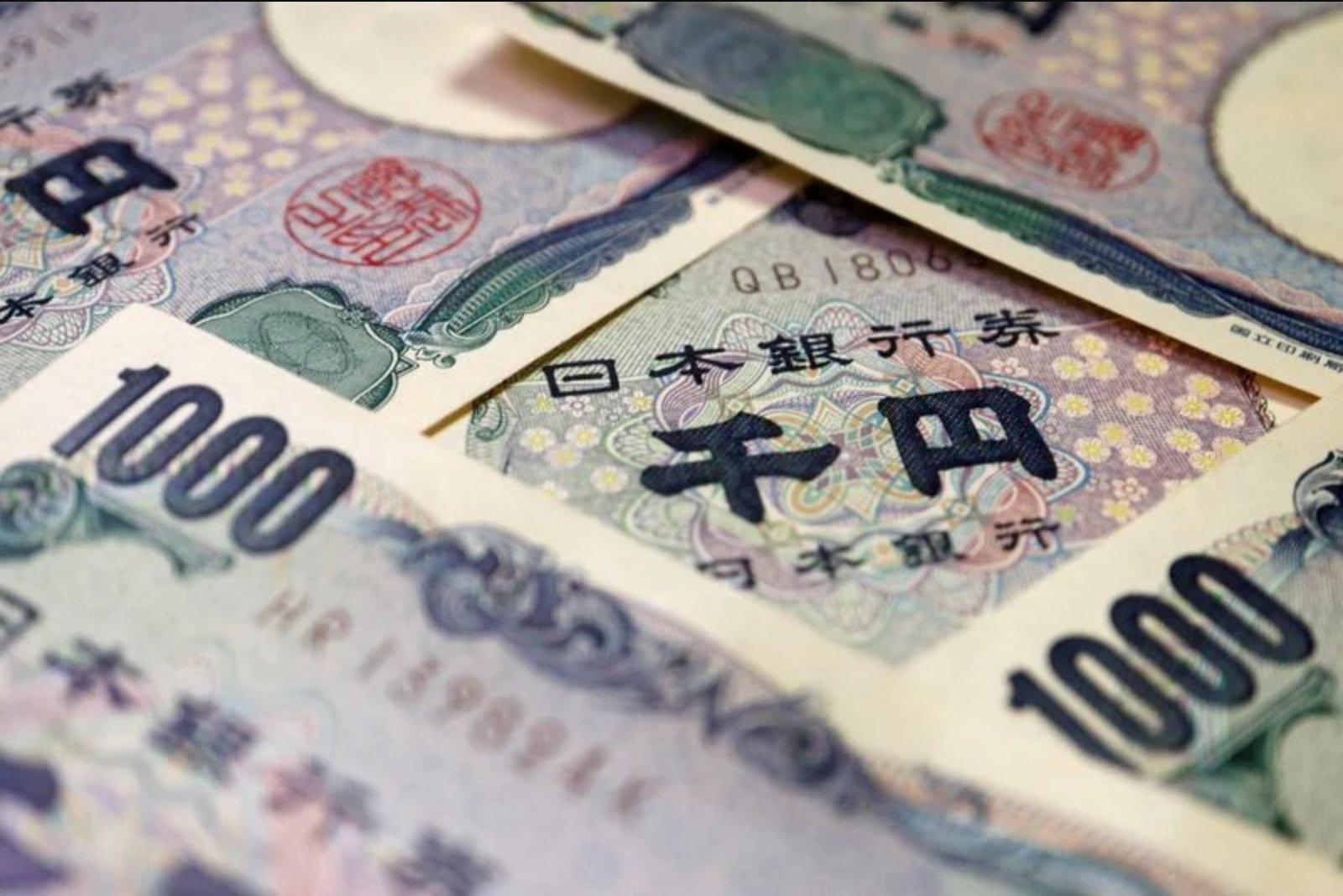
The Japanese yen is again under heavy pressure, hovering close to some of its weakest levels in four decades, with the currency quoted at 161.60 per U.S. dollar in Asian trade on Tuesday. That reading represents the yen's weakest level in two years and came after the currency nearly reached levels not seen for decades during U.S. trading hours. The move has prompted talks at senior levels of government - including an online meeting between Japan's finance minister and the U.S. Treasury secretary to discuss global financial market conditions - and has left open the possibility of joint intervention.
Policy responses and market reaction
Despite intervention by Japan's Ministry of Finance since April and recent rate increases by the Bank of Japan, the yen's slide has persisted. In parallel markets, South Korean equities suffered sharp losses after a cabinet remark from Finance Minister Koo Yun-cheol, who described the foreign exchange level at around the mid-1,500 won per U.S. dollar as "excessive." The KOSPI, which had closed at a record high the previous day, tumbled more than 6%, triggering a brief trading halt and contributing to a 1.5% decline in MSCI's broad Asia-Pacific index ex-Japan.
Japan's Nikkei 225 reversed course and dropped about 1.2%, breaking an eight-day winning streak. That pullback occurred even as June data showed Japan's manufacturing sector maintaining robust expansion, with new orders rising at their fastest pace in over four years.
Energy and geopolitics
Brent crude traded 0.4% lower at $77.56 a barrel. The move followed a U.S. decision to waive sanctions on Iran for 60 days from Monday after the first talks under a nascent peace deal, and reports of a sustained lull in fighting in Lebanon under an agreement intended to halt hostilities across the region.
Global equity futures and broader markets
S&P 500 e-mini futures were down about 0.5%, extending declines after technology mega-cap weakness on Wall Street the previous day. In early European trading, pan-region futures eased roughly 0.6%, German DAX futures fell about 0.7% and FTSE futures declined around 0.8%.
Key corporate and economic events to watch
- Company earnings due: FedEx, Cerebras Systems, Carnival Corp.
- Economic releases: France - Business Climate for June and S&P Manufacturing Flash PMI for June; Germany - S&P Flash PMIs for June; Euro zone - S&P Flash PMIs for June; UK - Flash PMIs for June and CBI Trends for June.
- Debt auction: Germany - 2-year government debt.
Market implications - concise view
Currency volatility driven by the yen's weakness and remarks from regional officials has produced rapid equity repricing in Asia and spillovers into European futures. Energy prices responded to developments in Middle East diplomacy, while macroeconomic flash PMIs and corporate results scheduled for the day may add further directional cues.
Summary
The yen's renewed slide toward multi-decade lows, moves by Japanese authorities and discussion at the ministerial level with U.S. counterparts have become a focal point for markets. South Korea's sharp equity drop after officials labelled the won's level "excessive" added to regional volatility, while crude oil edged lower amid temporary sanction relief and reports of reduced fighting in Lebanon. Global futures declined as tech weakness and these cross-currents pressured sentiment.