
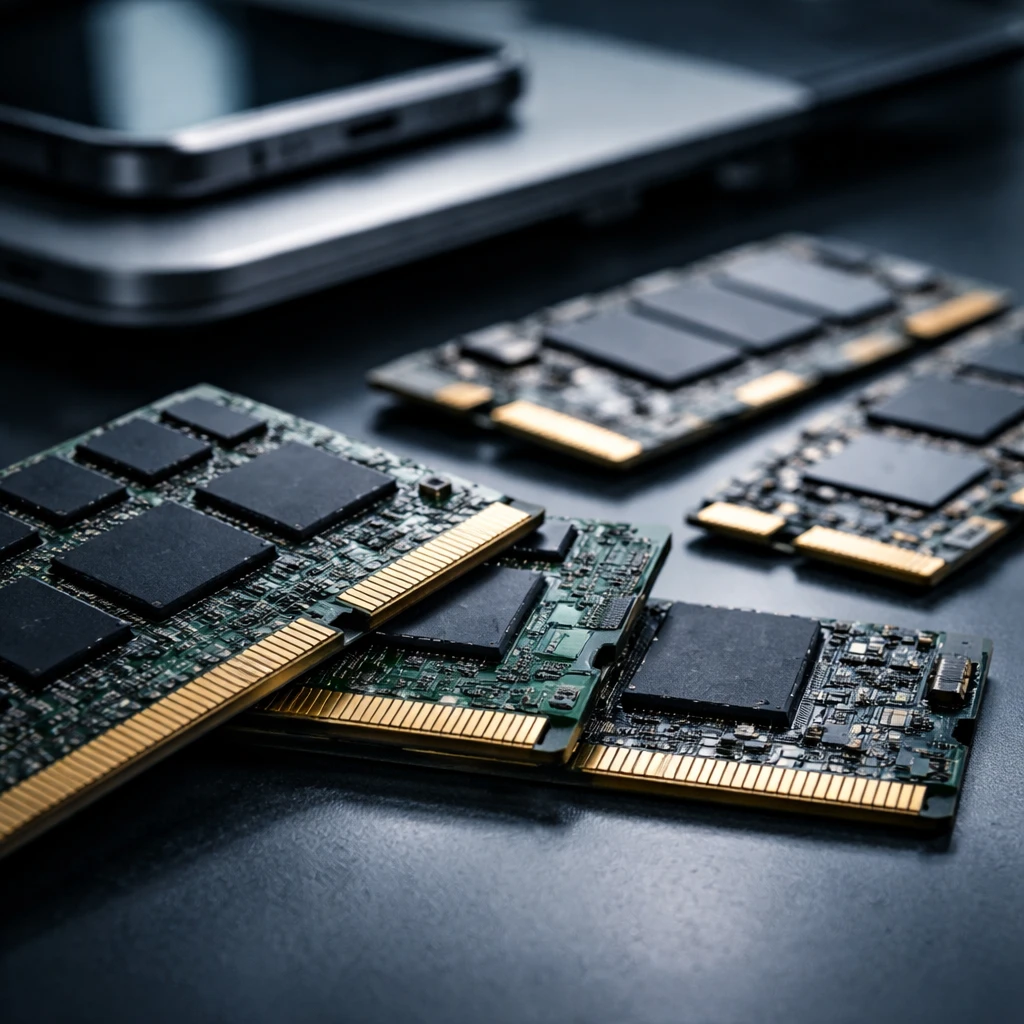
Wolfe Research said that the rapid rise in memory chip prices tied to the surge in artificial intelligence infrastructure has already made a noticeable contribution to core inflation, and that additional upward pressure is possible as those increased component costs work their way into consumer electronics retail pricing.
In a client note, analyst Stephanie Roth estimated that higher memory prices have added approximately 30 basis points to the core personal consumption expenditures (PCE) inflation metric. Roth summed up the unexpected effect with a blunt observation: "AI was supposed to make everything cheaper. Instead, one of the first places it's showing up is in higher prices."
The firm highlighted robust demand for DRAM and NAND flash memory as cloud providers and hyperscalers expand AI compute capacity. Wolfe said the surge in demand has driven memory prices up by a factor of roughly two to six times, contributing to a reversal of a long-standing disinflationary trend in computer prices.
Wolfe noted that computer prices - historically a steady source of downward pressure on inflation - are now "rising at their fastest pace in decades." The change in trajectory has drawn attention to consumer electronics pricing and to major device manufacturers that may pass higher component costs through to buyers.
The firm singled out Apple as a notable example, estimating that the company’s planned price increases for the MacBook, iPad and iPhone could collectively add about 5 basis points to core PCE inflation if implemented as anticipated.
Using TechInsights estimates cited via a media report, Wolfe said that elevated memory and storage costs could boost the iPhone's estimated bill of materials by roughly 25 percent. The firm added that, if that cost increase were fully passed through to consumers at retail, it would imply a price increase in excess of $200 for the device.
Wolfe also drew attention to a methodological offset coming from the Bureau of Economic Analysis. Beginning in September, the BEA will change the way it calculates the computer software component of core PCE. Wolfe estimated that, based on a hypothetical equal weighting of the three price indexes involved in the revision, the change could reduce measured core PCE by roughly 10 basis points.
The note frames the recent memory price dynamics as a supply-chain driven source of inflation that is already evident in pricing for electronics and that may continue to influence headline inflation measures as costs percolate through to finished goods.