
Overview
The United Nations trade and development agency cautioned on Tuesday that many vulnerable economies remain at risk from elevated food and fuel prices, even after the Strait of Hormuz reopened and delivered prompt relief to energy markets. The assessment comes in a report issued by the U.N. Conference on Trade and Development (UNCTAD).
Energy markets versus food and transport systems
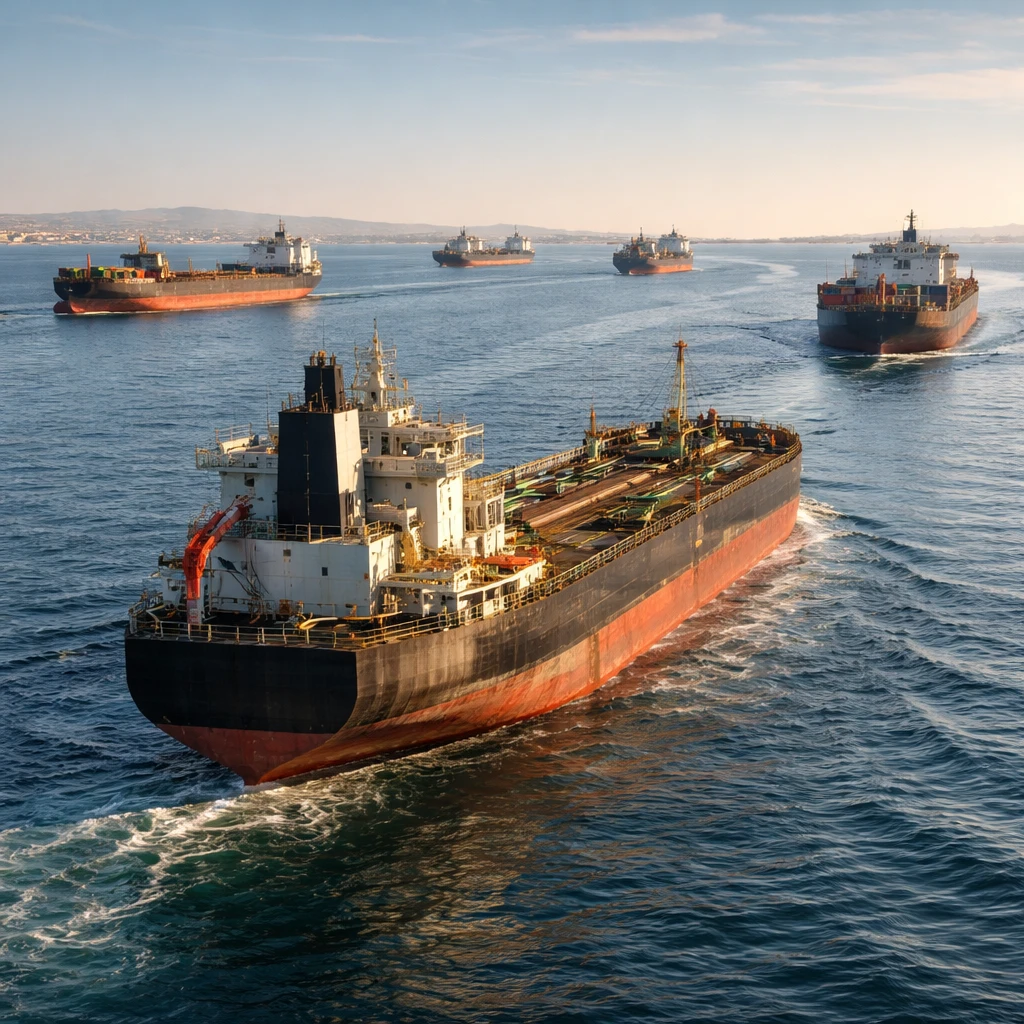
UNCTAD said energy prices reacted quickly to the reopening, with Brent crude dropping sharply to about $73 a barrel - a level close to what prevailed before the conflict - after an interim U.S.-Iran agreement. However, the agency stressed that food and transport systems will probably take much longer to recover because disrupted supply chains need time to reset after more than 100 days of severe interruption to shipping through the strategic waterway.
The report notes that the Strait of Hormuz normally handles roughly one-fifth of global oil and gas supplies and was effectively paralyzed during the conflict triggered by joint U.S.-Israeli strikes on Iran in late February.
Channels of ongoing impact
UNCTAD warned that even with energy markets stabilizing, higher costs for fuel, gas and fertilizer could continue to affect agricultural production, raise transport expenses and squeeze household budgets. The agency highlighted that vulnerable economies are especially exposed to shocks in oil and fertilizer prices, and that sustained high food prices could further strain poorer households.
In particular, UNCTAD said a 5% increase in food prices can materially increase the risk of childhood wasting, underscoring the human consequences of price pressures.
Countries identified as exposed
The agency identified 61 vulnerable economies that face exposure to oil and cereal import shocks tied to the Strait of Hormuz disruption. As examples, the report cites Cape Verde - which depends heavily on imported fuel and has experienced rising electricity, transport and food costs that could persist even after energy markets calm - and staple food-importing countries such as Yemen, whose fragile economies are poorly positioned to absorb higher grain prices and shipping costs.
Call for international support
UNCTAD urged international assistance to help the most affected countries recover from the recent shocks, noting that market stabilization alone may not be sufficient to address persistent challenges in food supply chains and household welfare.