
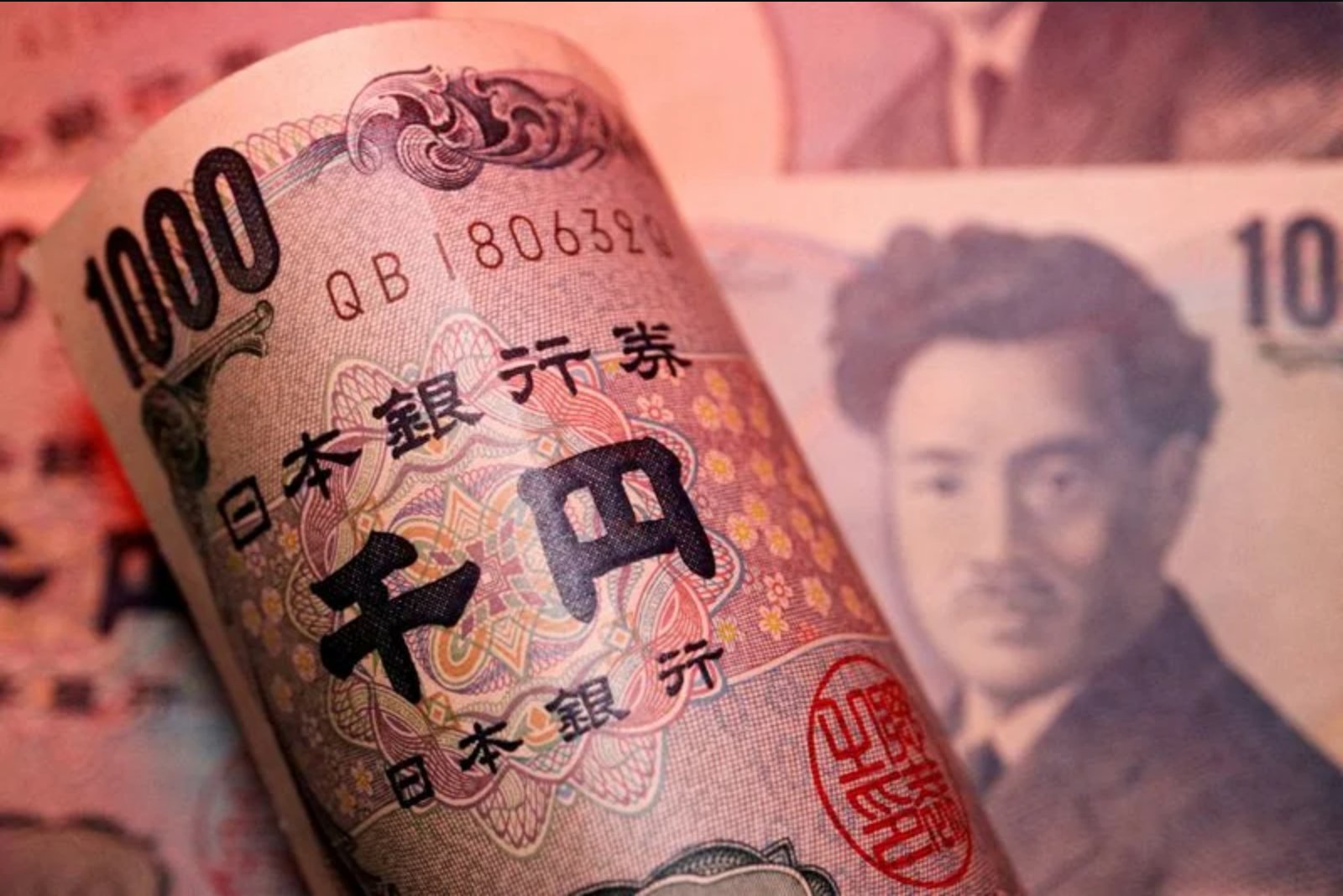
The yen’s slide beyond the long-defended 162-per-dollar threshold to its weakest since 1986 has strengthened the view among market participants that Tokyo may allow more depreciation before stepping in. The 165 area is increasingly seen as the next clear boundary for possible official intervention, even as authorities appear reluctant to mount a sustained fight at the current range.
Traders and strategists say Tokyo’s calculus has changed because previous intervention efforts did not halt the yen’s descent, and the dollar’s durability is underpinned by elevated interest rates and geopolitical forces that Japan cannot readily alter. Those structural pressures have prompted a rethink of how and when to intervene.
"Intervention is increasingly driven by speed and disorder rather than a fixed level as markets grow comfortable fading policy signals," said Masahiko Loo, senior fixed income strategist at State Street Investment Management. He identified the 163-165 zone as the next threshold to watch. "Warnings have been front-run and lost their effectiveness, so shifting to strategic ambiguity helps restore the shock value of actual intervention," he added.
Market action has borne out that shift. The dollar-yen rate, which has remained under upward pressure despite the Bank of Japan’s latest rate increase this month, crossed the 162 level on Tuesday for the first time since 1986, surpassing a level widely viewed by policymakers as a ceiling. That move has largely undone the effects of Tokyo’s unprecedented intervention campaign in April and May, when authorities are believed to have spent a record 11.7 trillion yen, or $72.2 billion, in dollar selling.
Investors have taken those developments as a sign that the dollar could continue toward 165 before authorities feel compelled to act again. Finance Minister Satsuki Katayama has reiterated that officials are ready to respond to currency moves, but such verbal warnings have so far not been enough to push the pair lower.
Observers point to a confluence of domestic and external drivers behind the yen’s renewed weakness. The currency’s downward trend gained pace after Sanae Takaichi assumed the premiership last October and fiscal policy tilted in a dovish direction. That domestic stance was then compounded by a spike in imported oil prices following the war in Iran, which worsened Japan’s terms of trade and added pressure to the yen.
Analysts note the Bank of Japan’s rate increase this month arrived too late to materially strengthen the currency. Instead, the yen’s path is now largely at the mercy of broad-based dollar strength and market expectations for future rate hikes by the U.S. Federal Reserve and other central banks.
"The best policy for Japan is for the BOJ to speed up its hike frequency to let the market know it is becoming more active in supporting the yen," said Takuji Okubo, chief economist of Japan Macro Advisors. "And if that is not sufficient and the yen falls further toward 165, FX intervention will be sensible."
Speculative positioning in the foreign exchange market also factors into Tokyo’s potential effectiveness. When the dollar-yen hit 160.725 on April 30, Japan reportedly intervened with multiple rounds of dollar selling, driving the pair down to 155 by May 6. But the effect proved temporary; the pair resumed an upward march while bets against the yen accumulated, leaving the exchange rate near a two-year high.
That accumulation of yen short positions could work in Tokyo’s favour if authorities do decide to act, forcing investors who have bet against the yen to cover those positions by buying the currency. "Given the accumulation of yen shorts, we would expect the impact to be significant if intervention were to be carried out," said SMBC foreign exchange strategist Hirofumi Suzuki.
A potential game-changer would be coordinated action with the United States. Japanese officials have cited a joint statement with Washington signed last September that allows for coordinated measures to counter excessive currency volatility. "The probability of action rises materially and coordinated signalling with the U.S. Treasury cannot be ruled out - especially if a break above 163 triggers stop-driven momentum toward 165," said Masahiko Loo.
Technical and psychological price points are also on analysts’ radars. Daisaku Ueno, chief FX strategist at Mitsubishi UFJ Morgan Stanley Securities, highlighted the vicinity of 169 yen as a possible near-term upside target for the dollar. That level corresponds to a 50% retracement of the move from the pre-Plaza Accord high of 262.80 in February 1985 down to the record low of 75.31 in October 2011. Ueno added that if that retracement level is breached, there are no clear psychological or technical milestones on the upside until around the 260 yen mark.
Attention in the near term is likely to focus on U.S. labour market data due Thursday, followed by a pause in trading for the July 4 holiday. A strong U.S. jobs report would lift expectations of an earlier Fed rate increase and could strengthen the dollar further, complicating Japan’s exchange-rate management options.
Tokyo has, in the past, taken advantage of thin holiday trading windows to conduct intervention. Even so, some market participants believe authorities may opt to let the exchange rate drift higher for now and reposition their defensive threshold. "They may just let the dollar-yen rate drift up and re-establish a new line in the sand around 165, 166," said Tony Sycamore, a market analyst at IG. "They don't want to spend any yen right here right now, because they know they are fighting potentially higher rates in the U.S. They probably want to keep their powder dry."
For now, the evolving mix of market positioning, fiscal stance, central bank timing, and external pressures suggests Japan’s intervention policy is shifting toward selective, impact-focused responses, rather than frequent action at previously defended levels.