
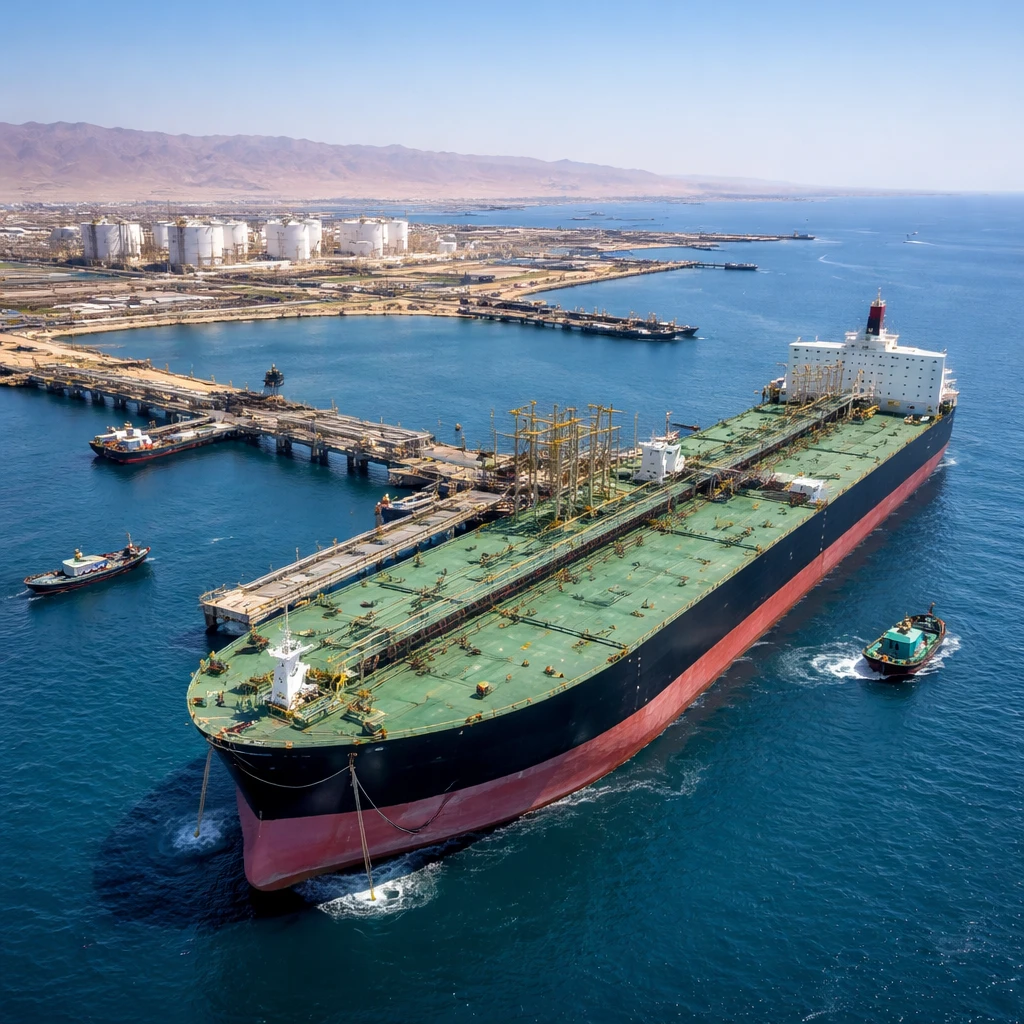
Data from maritime analytics firms indicate a notable rise in Saudi jet fuel deliveries to Europe routed through the Red Sea port of Yanbu this month. Kpler reported flows to the European Union and United Kingdom from Yanbu at 118,000 barrels per day during the first week of the month, a level Kpler describes as the highest since August 2025. Vortexa's tally for the same flows was higher, at 140,000 barrels per day.
The recent figures represent a significant uptick from earlier in the year. Kpler's dataset indicates that the monthly peak recorded in January reached 77,000 barrels per day, meaning current Yanbu-origin shipments are multiple times larger than that January high.
Alongside the increase in Saudi-origin volumes through Yanbu, Europe has also expanded its jet fuel procurement from other suppliers. Imports from the United States and Nigeria averaged roughly 200,000 barrels per day in May, according to the available shipping data.
These shifts in sourcing come against a backdrop of supply concerns flagged by the International Energy Agency. The IEA had previously suggested Europe could be vulnerable to jet fuel shortages by this month. At the same time, industry participants in Europe - specifically airlines - have publicly expressed less alarm about potential supply constraints for the upcoming summer season.
The reporting on volumes shows some divergence between commercial analytics providers; Kpler and Vortexa give different point estimates for Yanbu-origin flows in the opening week of the month. Both providers, however, indicate that shipments via Yanbu have grown markedly compared with earlier months.
For market participants in aviation, refining, and shipping, the data underscore evolving supply patterns into Europe. The combination of larger shipments from Yanbu and increased deliveries from the United States and Nigeria has altered the recent mix of jet fuel imports into the EU and UK. The degree to which these patterns persist is indicated only by the present tracking figures and the prior warnings from the IEA.