
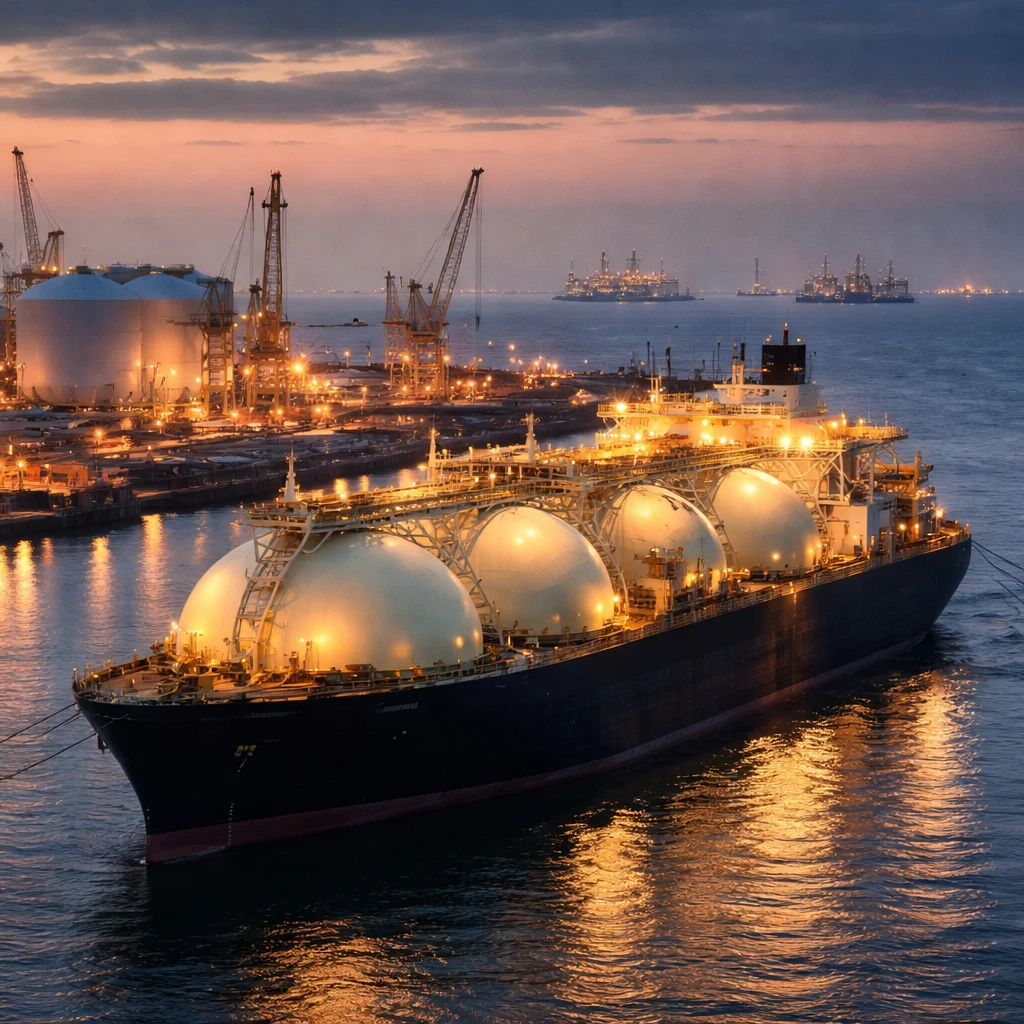
QatarEnergy is preparing to extend a force majeure on liquefied natural gas (LNG) deliveries through mid-October, a step that would continue a disruption reverberating across global gas markets. Multiple buyers in Europe and Asia said they expect to receive formal notification within the coming weeks.
Force majeure is invoked when extraordinary circumstances prevent a company from meeting contractual obligations. In June, Qatar informed certain customers in Asia and Europe of cancellations covering shipments through August and September. An extension into mid-October would further reduce the volume of LNG available to buyers competing across regions.
Market participants cited two related pressures that are increasing demand for available cargoes. First, rising temperatures have lifted consumption in some areas. Second, buyers are actively building stockpiles ahead of the winter season, intensifying competition for limited supplies.
The situation is unfolding against a backdrop of heightened tensions in the Middle East. Expectations for a near-term recovery of supplies from the region have diminished following a rise in geopolitical strain. This week, officials from the United States and Iran dismissed the possibility of immediate peace negotiations. After those statements, gas prices in both European and Asian markets moved higher.
Even before the current conflict, a significant portion of global LNG trade - about one-fifth - transited the Strait of Hormuz. Constraints on flows that rely on routes through the region can therefore have outsized effects on global availability, particularly when a major exporter signals reduced shipments.
Market reaction and operational impact
Buyers across Europe and Asia are preparing for formal notices that could confirm the extension. If implemented, the extended force majeure would maintain a tighter supply backdrop while demand pressures from seasonal heat and inventory replenishment persist.
At this stage, formal confirmation is expected in the coming weeks. The continuation of constrained flows and higher prices will be watched closely by energy buyers, utilities, and trading houses managing winter procurement and storage plans.
Reporting focuses on verified developments and direct communications from market participants; the situation remains fluid pending formal notices.