
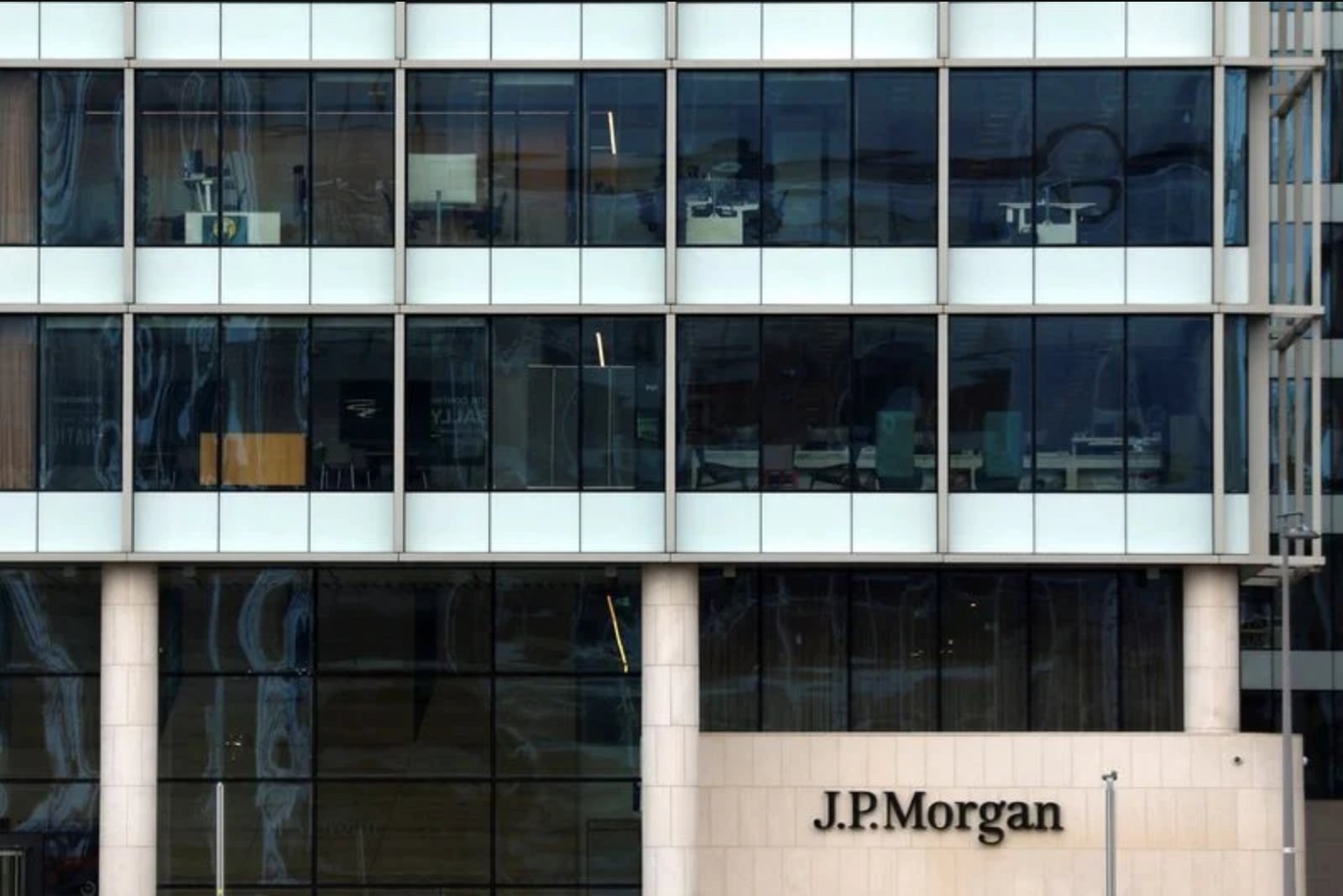
J.P. Morgan shifted its expectation for the Bank of England's next policy tightening to November after the BoE decided to keep its policy rate steady at 3.75%.
The investment bank had previously pencilled in a 25-basis-point increase in July. The BoE's pause followed a period of heightened uncertainty about inflation risks tied to tensions in the Middle East, which have contributed to oil price volatility.
The central bank's decision came in the wake of a widely noted truce agreement signed between U.S. President Donald Trump and Iran to end the conflict. Governor Andrew Bailey said he was "very encouraged" by the deal, but added he remained unconvinced that the agreement would prevent further upward pressure on British inflation.
J.P. Morgan highlighted the persistent inflationary backdrop, noting that oil price shocks have been a primary driver keeping central banks cautious. "If growth and the labour market recover as inflation picks up further in 2H26, this could lead to stronger pass-through effects into core and wages," the brokerage said in a note, underlining the potential for broader inflation dynamics should activity and employment strengthen later in 2026.
The recent global policy moves have been mixed. The Bank of Japan and the European Central Bank moved to raise rates over the past week, while hawkish projections from U.S. Federal Reserve policymakers have signalled higher borrowing costs this year.
J.P. Morgan cautioned that if a number of other central banks tighten policy in response to a combination of a resilient global growth outlook and inflation concerns, it would be unlikely for the BoE to remain on hold indefinitely. "If a range of other central banks tighten due to a mix of resilience in the global growth outlook and inflation concerns, we doubt the BoE would sit and hold," the firm added.
The revision to the timing of the BoE hike reflects the brokerage's reassessment of the balance between still-elevated inflation risks and recent geopolitical developments that could influence commodity prices and inflation trajectories.
Context and implications
J.P. Morgan's delay in forecasting the next Bank of England move underscores the challenges central banks face in setting policy paths while inflation drivers, such as oil shocks tied to geopolitical tensions, remain uncertain. The situation also follows a diplomatic development that some policymakers described as encouraging but not dispositive for inflation trends.