
Summary
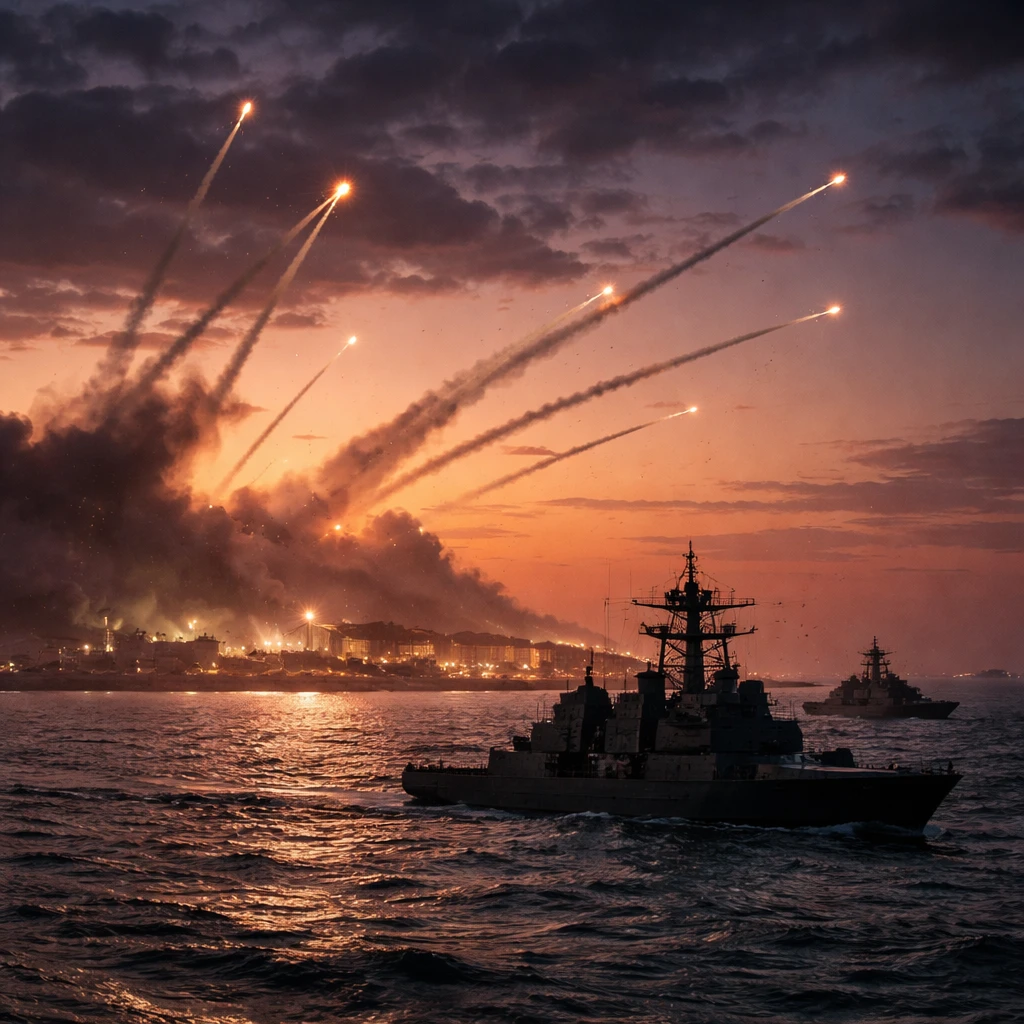
Iran's Revolutionary Guard announced early Wednesday that it had struck U.S. military installations and other targets across the Gulf in retaliation for American strikes carried out on Tuesday, Iranian state media reported. The Iranian statement said strikes included assaults on bases located in Kuwait and Bahrain. Reports indicated most missiles and drones launched by Iran were intercepted, and there were no immediate reports of casualties or damage to U.S. facilities.
What happened
According to Iranian media, the Revolutionary Guard carried out a series of strikes against United States bases and multiple Gulf targets after the U.S. military said it had targeted several Iranian positions near the Strait of Hormuz. The exchange follows the downing earlier this week of a U.S. Apache helicopter in the Hormuz area, an incident the United States has said prompted its own military response.
The Iranian strikes were reported to have included assaults on U.S. bases in Kuwait and Bahrain. Media accounts stated that nearly all of the missiles and drones Iran launched were intercepted. At the time of those reports, there was no immediate indication of casualties or visible damage to U.S. assets.
Political and diplomatic context
The back-and-forth attacks have deepened setbacks to prospects for a negotiated pause in hostilities. Iran condemned the U.S. strikes and pledged further retaliation should additional attacks occur. Iran's Foreign Minister Abbas Araghchi warned U.S. forces to "leave our region" if they sought safety and said Iran's armed forces would "leave no attack or threat unanswered."
Earlier in the week, there had been a brief window in which hopes for reduced hostilities rose after Iran and Israel reportedly agreed to halt airstrikes against one another following pressure from the U.S. Presidency. In public comments this week, President Donald Trump said the U.S. had to respond to the Iranian attack and reiterated that a peace deal was close and that the U.S. was weeks away from declaring victory over Iran.
Economic and market impact
The continued exchanges have left the Strait of Hormuz closed and the U.S. maintaining a naval blockade of Iran, according to the reports. Those conditions coincided with a jump in oil prices and a broader retreat by risk-driven markets.
Key points
- Iran's Revolutionary Guard reported strikes on U.S. bases in Kuwait and Bahrain and other Gulf targets in retaliation for U.S. attacks.
- Iranian-launched missiles and drones were reported largely intercepted, with no immediate reports of casualties or damage to U.S. assets.
- The hostilities have contributed to a closed Strait of Hormuz, a U.S. naval blockade, higher oil prices and weaker risk markets.
Risks and uncertainties
- Possibility of further military retaliation - the cycle of strikes could continue if either side conducts additional attacks, increasing regional instability. This affects oil markets and maritime operations.
- Disruption to shipping and oil flows - the closed Strait of Hormuz and naval blockade present a risk to global oil supply dynamics and energy markets.
- Stalled diplomacy - talks between Washington and Tehran have produced little progress, leaving the conflict unresolved and markets sensitive to any new developments.
This report is based on statements and media reports relaying official comments from Iranian authorities and publicly reported U.S. actions. No further independent verification of the operational claims was provided in those reports.