
Economy June 9, 2026 02:56 PM

House Clears Path for $70 Billion Immigration Enforcement Funding Measure

Republicans push forward a three-year funding bill for ICE and Border Patrol after partisan votes in both chambers

By Ajmal Hussain
Share
Twitter Reddit Facebook LinkedIn

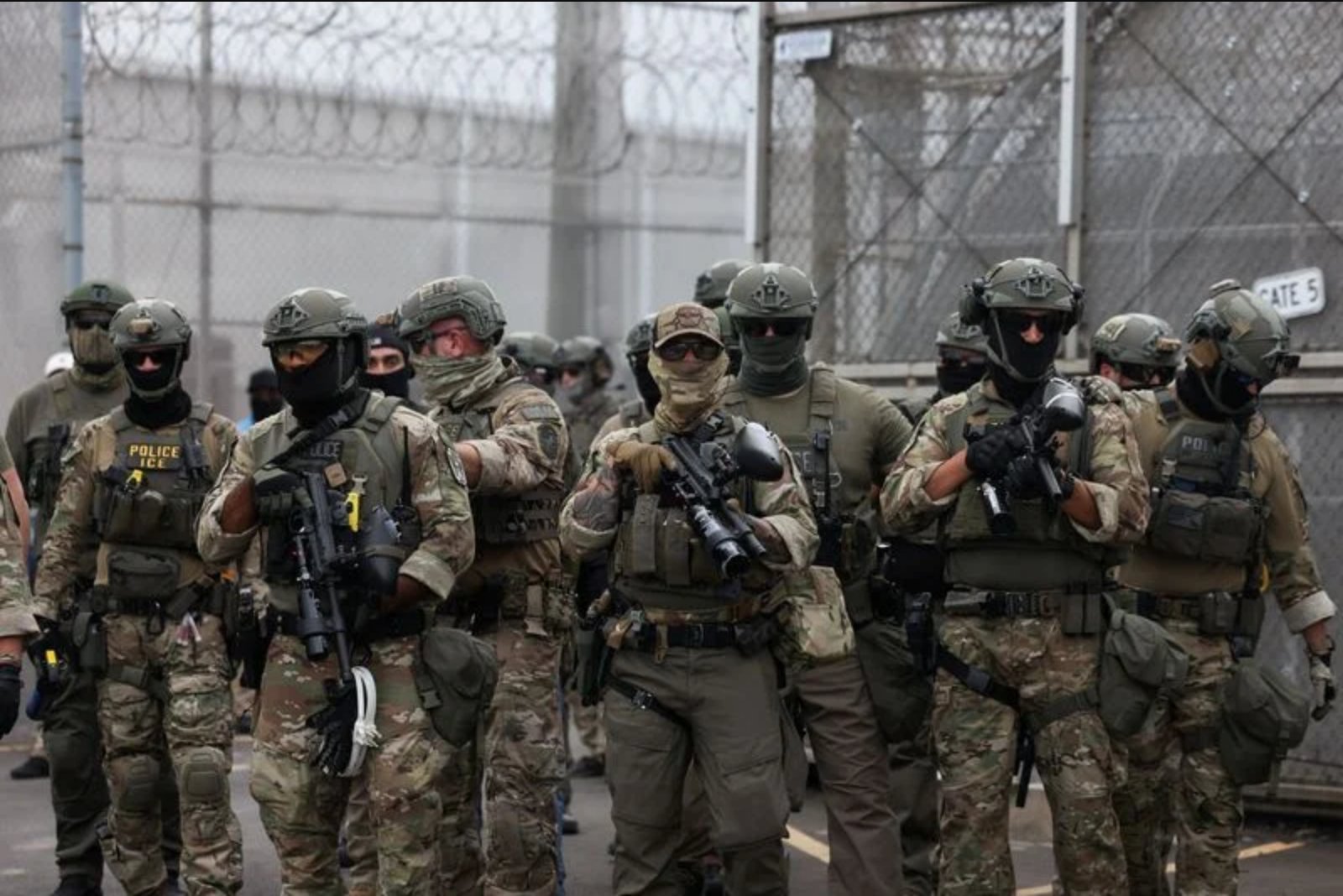
The U.S. House voted along party lines to open debate on a $70 billion immigration enforcement bill, moving the measure closer to final approval and delivery to the White House. The Senate approved the package earlier in the week, also with party-line votes. The legislation would fund U.S. Immigration and Customs Enforcement and Border Patrol for three years and follows a period of resistance from Democrats after a fatal incident involving federal agents that disrupted Department of Homeland Security funding and airport security procedures.

House Clears Path for $70 Billion Immigration Enforcement Funding Measure
Summarize with
ChatGPT Perplexity Claude Grok Gemini

Key Points

  • House Republicans voted along party lines to open debate on a $70 billion immigration enforcement bill; the House was expected to vote later to pass it and send it to the White House.
  • The Senate passed the bill earlier in the week, also on party-line votes.
  • The legislation would fund ICE and U.S. Border Patrol for three years, aiming to place enforcement funding beyond short-term congressional disputes; prior withholding of support by Democrats followed a January incident involving federal agents that led to funding disruptions and longer airport-security lines.

The U.S. House of Representatives advanced a $70 billion immigration enforcement bill on Tuesday as Republicans voted strictly along party lines to begin formal debate. Lawmakers were expected to hold a subsequent vote later in the day that, if successful, would send the legislation to the White House for President Donald Trump's signature.

The Senate approved the same bill early Friday morning, also strictly along party lines. The measure provides funding for U.S. Immigration and Customs Enforcement (ICE) and U.S. Border Patrol for the next three years, a term that would place those resources beyond the immediate reach of ordinary congressional funding disputes.

Democrats had previously withheld support for immigration-enforcement funding after federal agents were involved in the deaths of two U.S. citizens in Minneapolis in January. That stand-off contributed to a disruption in funding for the Department of Homeland Security (DHS), which in turn affected airport-security operations, producing lengthy lines at airports until an interim agreement in April secured funding for portions of the sprawling department not tied to the administration's immigration efforts.


Summary of the procedural path:

  • House Republicans voted along party lines to open debate on the bill.
  • The House faced an expected later vote to pass the measure and forward it to the White House.
  • The Senate had approved the bill earlier in the week, also on party-line votes.

The legislation's three-year funding horizon for ICE and Border Patrol is presented in the bill as a way to insulate immigration enforcement financing from short-term partisan impasses in Congress. Prior disputes over such funding had tangible operational effects for DHS and led to visible disruptions in airport security until portions of the department not connected to the administration's immigration enforcement agenda were funded through separate action in April.

The course of events leading to this bill included a decision by Democrats to withhold their backing after a January incident involving federal agents that resulted in two U.S. citizens' deaths in Minneapolis. That decision created a funding impasse that affected DHS operations and civilian travel security processes, prompting a partial funding deal months later.

Risks

  • Ongoing partisan division - both chambers advanced the bill on party-line votes, indicating continued political polarization that could affect future legislative negotiations. This impacts government budgeting processes and DHS-related planning.
  • Potential recurrence of DHS operational disruptions - previous funding disagreements disrupted Department of Homeland Security resources and led to lengthy airport-security lines, illustrating the risk that similar conflicts could again affect transportation and public security services.
  • Public and political fallout from the January incident - Democrats' refusal to back enforcement funding after the deaths of two U.S. citizens in Minneapolis demonstrates unresolved political and public-safety tensions that could influence future oversight and legislative behavior.

More from Economy

Federal Reserve to Publish Annual Bank Stress Test Results on June 24 Jun 9, 2026 Judge Gives Preliminary Okay to $38 Billion Visa-Mastercard Deal With Merchants Jun 9, 2026 Frigorifico Concepcion Engages Advisers to Assess Capital Structure After Missed Loan Payment Jun 9, 2026 Treasury Yields Retreat Ahead of Key U.S. Inflation Report Jun 9, 2026 EIA Sees U.S. Natural Gas Production, Domestic Use Reaching New Peaks in 2026 Jun 9, 2026