
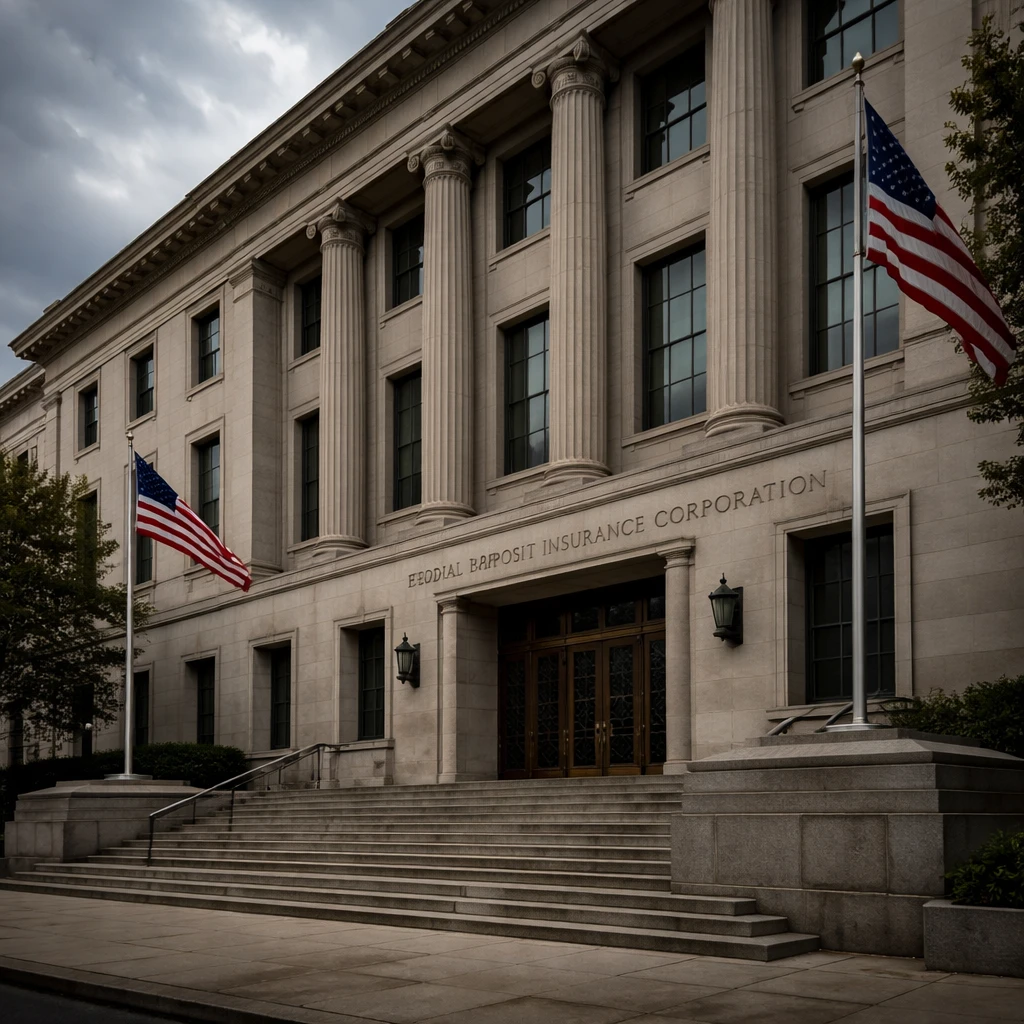
The Federal Deposit Insurance Corporation has disciplined eight staff members for sexual harassment over the past 18 months, agency records and officials show. Actions taken since January 2025 include four firings, two suspensions, and two resignations that preceded proposed terminations, reflecting steps the regulator says are part of a wider effort to reshape workplace culture after a prior misconduct scandal.
Agency documents covering January 2025 through early July 2026 show that the FDIC's Office of Professional Conduct - created in June 2024 - has been central to recent disciplinary activity. The OPC's record, obtained by journalists via a Freedom of Information Act request, lists three employees fired and a fourth suspended for 60 days since January 2025. A senior agency executive who faced two separate allegations that investigators judged credible resigned before what would have been a termination, according to the records. Additional personnel actions, including another suspension and a departure prior to a proposed dismissal, were reported by FDIC officials but did not appear on the OPC list because those events occurred before the office was established.
Officials provided few specifics about the incidents. The agency did not release identifying information about the disciplined employees, nor did it detail the allegations in each case. It also did not disclose the total number of complaints received during the period covered by the records.
These disciplinary steps mark a departure from how misconduct was handled in earlier years, according to a separate independent review commissioned after the 2023 revelations. The outside review, completed in 2024, concluded that the FDIC's prior anti-harassment program suffered from systematic record-keeping failures and that investigators found no indication anyone had been fired for harassment of any kind between 2015 and 2023. The agency itself has said it does not have reliable numbers on such matters prior to 2025.
Institutional change at the regulator has taken visible form in several ways. The agency created both an Office of Professional Conduct and an Office of Equal Employment Opportunity in June 2024. It has also hired new senior managers, adopted new policies addressing retaliation and workplace personal relationships, and introduced refreshed anti-harassment training, the FDIC said in a written statement. The FDIC characterized the agency as "markedly different" from a few years prior, citing significant leadership turnover and a rebuilt process for investigating misconduct and imposing discipline.
The 2023 scandal that precipitated the review involved widespread allegations of sexual harassment, racial discrimination and bullying, and prompted sustained congressional scrutiny and calls for reform. The law firm that conducted the independent review gathered accounts from more than 500 people, documenting complaints of misconduct across the agency and concluding that such behavior had been tolerated by senior managers. That report also cited episodes of bullying and verbal abuse attributed to then-FDIC Chair Martin Gruenberg; Gruenberg said at the time that he did not recall the alleged incidents involving himself but found the report's broader findings troubling and issued an apology to staff.
Gruenberg later stepped down after months of congressional pressure. He was succeeded in January 2025 by the FDIC's vice chair at the time, a Republican who was subsequently formally nominated for the chair by the President. In congressional testimony in October 2025, the agency's new chair pledged to continue reform efforts. The following month the chair provided data to lawmakers on disciplinary actions taken during fiscal 2025, although that disclosure did not specify which dismissals or resignations were related to sexual harassment allegations.
Observers and experts caution that firing or removing individuals, while a necessary enforcement step, does not by itself demonstrate that a workplace has changed in a lasting way. Jennifer Griffith, a professor specializing in organizational behavior who studies workplace sexual harassment, said that meaningful cultural change requires more than personnel moves. She noted that sustained, consistent evidence in the lived experiences of employees is necessary to show that misconduct is no longer tolerated. Her comment came in response to inquiries by journalists seeking perspective on whether the FDIC's recent actions represent deeper cultural reform.
Comparisons with other federal financial regulators suggest that disciplinary disclosures vary across agencies, in part because there is no uniform requirement to publish such information. For example, records show that another major regulator with a workforce smaller than the FDIC disciplined nine employees for sexual harassment - firing four - during a recent four-year span. The FDIC's public accounting has been limited by its own admission that earlier records are not reliable.
In releasing the disciplinary list that covered January 2025 through early July 2026, the FDIC emphasized its commitment to individual accountability and to improving workplace culture. Agency officials said the disciplinary decisions reflected determinations that allegations were sufficiently credible to merit action. The list did not include some personnel actions that officials said occurred before the OPC was established, and the agency declined to provide granular details about each case on privacy or confidentiality grounds.
As the FDIC moves forward, key questions remain about the degree to which institutional reforms have been embedded and how transparent future reporting will be. The agency's recent actions indicate a willingness to enforce standards of conduct more rigorously than in the years before the scandal, but outside observers say it will take time and additional visible evidence to conclude that the organizational culture has demonstrably shifted.