
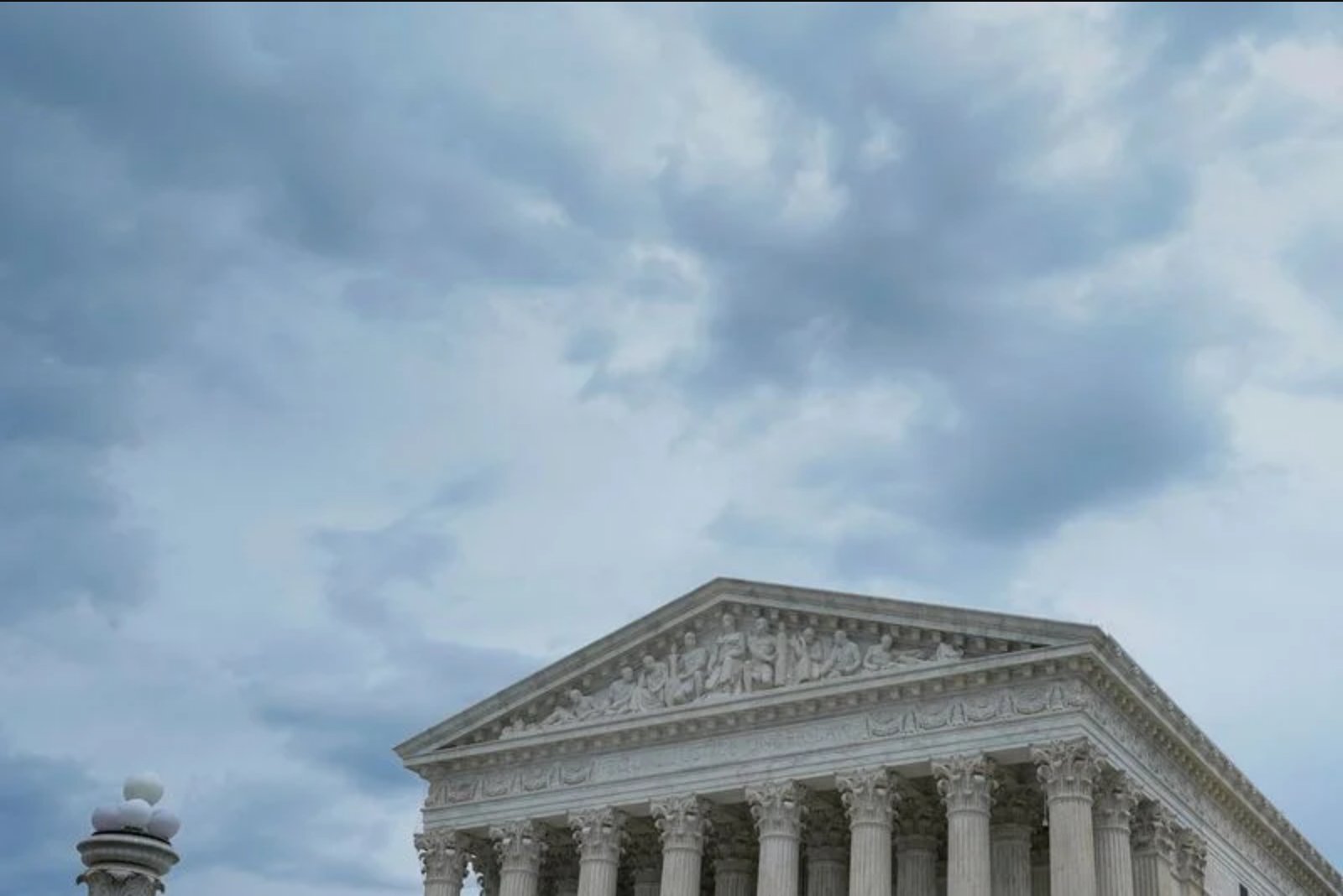
The U.S. Supreme Court has wrapped up a term marked by high-stakes decisions that will reverberate through American law and policy. The rulings touch on executive power, civil rights, economic regulation, and constitutional interpretation. Below is a detailed analysis of the major cases decided during the term, which began in October and continues through the end of June.
Executive Power and Federal Agencies
In a significant blow to the president's authority over independent agencies, the Court ruled on June 29 that President Trump cannot remove Federal Reserve Governor Lisa Cook. The decision preserves the Federal Reserve's institutional independence, a safeguard not tested since the central bank's establishment in 1913. Trump had cited unproven mortgage fraud allegations as grounds for removal, claims Cook rejected as a pretext for overriding monetary policy disagreements. This ruling fortifies the Fed's ability to set interest rates without direct political interference.
Conversely, the Court sided with Trump in the dismissal of FTC Commissioner Rebecca Slaughter on the same day. The justices invalidated a 1935 precedent, Humphrey's Executor v. United States, which had protected certain regulatory commissioners from at-will presidential removal. By overturning this precedent, the Court expanded presidential control over agencies like the Federal Trade Commission, raising questions about the future independence of other regulatory bodies.
Voting Rights and Electoral Process
The Court's impact on voting rights was profound. On April 29, the justices severely weakened Section 2 of the Voting Rights Act, making it more difficult for minorities to challenge electoral maps that dilute their political influence. The ruling blocked Louisiana's attempt to draw a second Black-majority congressional district, signaling a potential shift in the balance of power ahead of the midterm elections. The decision opens the door for Republican-led states to redraw districts in ways that could diminish Democratic-leaning minority representation.
In a separate vote-related decision on June 29, the Court upheld state laws that allow mail-in ballots postmarked by Election Day to be counted even if received up to five days later. This ruling rejected a Republican challenge to Mississippi's policy, reinforcing state autonomy in administering elections and ensuring that valid mail-in votes are not disenfranchised.
Immigration and Human Rights
The Court granted the Trump administration significant leeway in immigration enforcement. On June 25, the justices allowed the termination of Temporary Protected Status for over 350,000 Haitians and 6,100 Syrians. The State Department has warned against travel to these countries due to violence and instability, but the removal of TPS leaves these immigrants vulnerable to deportation. Additionally, on the same day, the Court backed a policy allowing officials to halt asylum processing at the border when facilities are overwhelmed, a practice known as metering, which was previously suspended by the Biden administration.
In a landmark decision on foreign liability, the Court ruled on June 23 that the Alien Tort Statute does not allow lawsuits against U.S. corporations for human rights abuses committed abroad. This ruling ended a case involving Cisco Systems and Falun Gong members, limiting the reach of American courts in addressing international human rights violations.
Economic Regulation and Corporate Liability
The Court's economic rulings had mixed effects. On February 20, the justices struck down Trump's sweeping tariffs imposed under the International Emergency Economic Powers Act, ruling that the law did not grant the president such authority. This 6-3 decision affirmed Congressional power over tariffs, potentially stabilizing global trade relations but also highlighting executive overreach in trade policy.
In a victory for the financial sector, the Court rejected a challenge to the SEC's disgorgement power on June 4, upholding the agency's ability to recover ill-gotten gains from financial fraud. This decision strengthens the SEC's enforcement capabilities. Conversely, the Court limited the FCC's ability to levy fines on wireless carriers on the same day, siding with AT&T and Verizon in a challenge to the agency's in-house proceedings, citing constitutional concerns over jury trials.
The Court also addressed pharmaceutical patents in the Hikma v. Amarin case on June 4, ruling that generic drugs using